Emergency Flood & Water Damage Restoration — St. George
- Recovery resources and next steps
- Insurance claim guidance
- Lessons learned for future prevention
- Professional restoration support
Mold can start growing within 24–48 hours of water exposure. Fast extraction and drying dramatically reduce secondary damage and health risks.
Live Conditions
Real-time weather radar for Utah
How DRT Helped St. George Recover from the August 2026 Flash Flood Warning — A Local Case Study & Recovery Resource
Covering: Hurricane, Ivins, Santa Clara, Washington, and surrounding Washington County communities
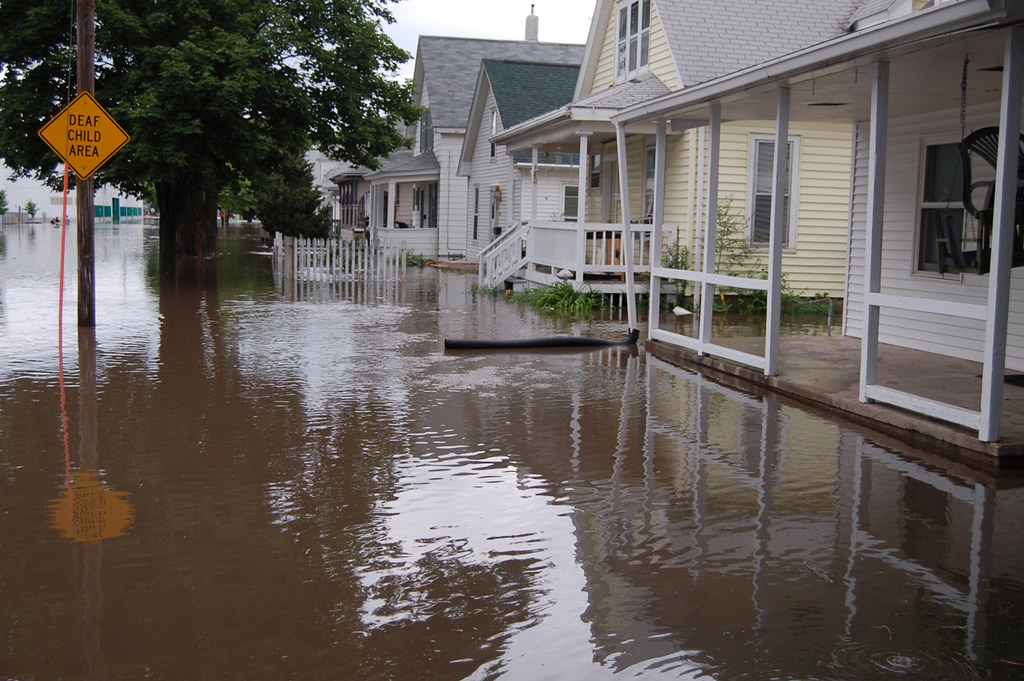
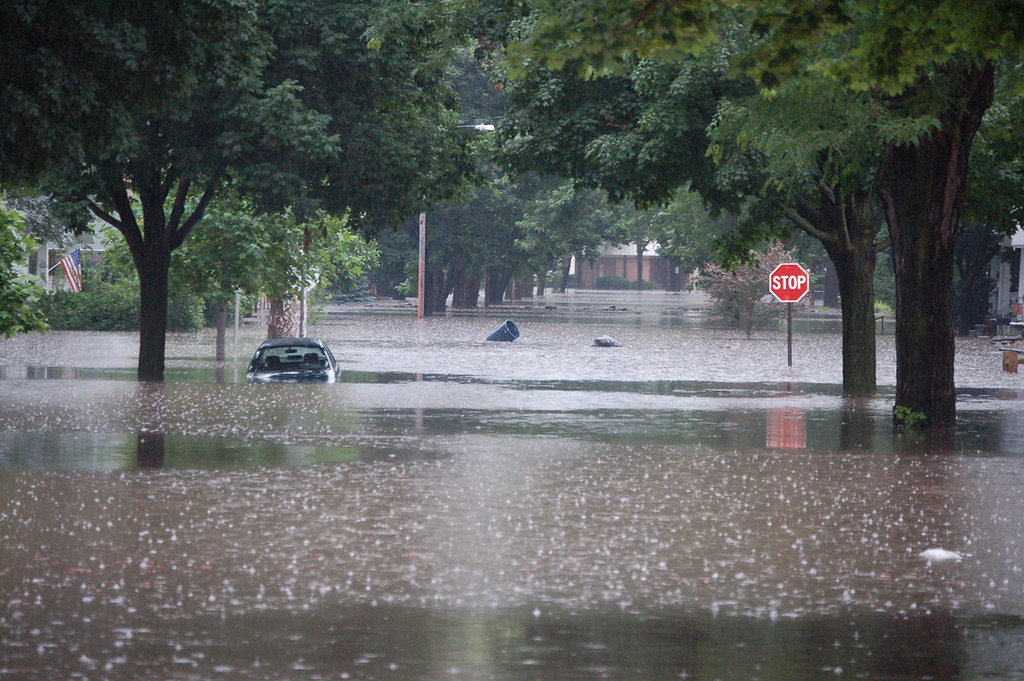
On August 14, 2026, the National Weather Service Salt Lake City issued a Flash Flood Warning for the St. George area beginning at 9:08AM MDT. By noon, the warning had lifted — but for hundreds of homeowners and business owners across Hurricane, Ivins, Santa Clara, and Washington, the real work was just beginning.
The Disaster Repair Team (DRT) was on the ground throughout the event and in the weeks that followed, helping families and businesses assess damage, extract standing water, dry out structures, and navigate the insurance process. This page exists as a permanent resource for anyone in Washington County who experiences flash flooding — whether from a summer monsoon, a rapid snowmelt event, or the next major storm system to roll through Southern Utah.
If you are dealing with flood damage right now, we are still here. DRT provides 24/7 emergency restoration service to the entire St. George area.
Call anytime: 385-287-6344
What Homeowners Did in the Hours After the Flood — And What You Should Do Too
The steps taken in the first 24–48 hours after flood damage make an enormous difference in total recovery cost, mold risk, and insurance outcomes. Here is what the most prepared homeowners did after the August 2026 event — and what we recommend to anyone facing similar damage:
- Prioritized family safety first. Before assessing any damage, residents confirmed that everyone in the household was safe and accounted for. No property is worth entering an unsafe structure.
- Documented everything with photos and video. Before any cleanup began, thorough photo and video documentation was captured room by room. This documentation proved critical during insurance claims.
- Avoided structurally compromised areas. Flood water can weaken floors, walls, and foundations rapidly. Homeowners waited for a professional assessment before re-entering areas showing signs of structural stress.
- Contacted their insurance company promptly. Early contact with insurers helped establish claim timelines and set expectations for coverage. DRT worked directly with adjusters on behalf of many clients.
- Called DRT for professional water extraction and drying. Standing water left for more than 24–48 hours significantly increases the risk of mold growth and structural damage. Fast extraction and controlled drying protected homes and limited long-term costs.
Facing flood damage now? Don't wait. Call DRT: 385-287-6344
How DRT Responded — Services Deployed After the August 2026 Flash Flood
In the days and weeks following the August 14 warning, DRT teams were active across Washington County providing a full range of emergency restoration and rebuild services, including:
- Emergency water extraction and removal
- Structural drying using industrial air movers and dehumidification equipment
- Board-up and temporary weatherproofing for compromised structures
- Mold assessment and remediation
- Smoke and soot removal (for properties affected by post-storm electrical issues)
- Full rebuild coordination and project management
- Direct insurance billing and adjuster communication
DRT is a locally operated team. We live and work in Southern Utah, and we have been through these monsoon events before. We know how quickly water moves through Washington County's desert terrain and how fast damage can escalate when the ground cannot absorb the volume of a sudden storm.
Lessons Learned from the August 2026 Flash Flood
Every major weather event teaches the community something. Here is what the August 2026 flash flood reinforced for homeowners, business owners, and our own restoration team:
1. Speed of response is the single biggest factor in limiting damage.
Properties where water was extracted within the first few hours fared dramatically better than those where extraction was delayed by even 24 hours. In Southern Utah's dry heat, it is tempting to assume things will "dry out on their own" — but interior walls, flooring, and insulation trap moisture in ways that outside temperatures cannot address. Professional drying equipment is not optional; it is the difference between a remediation job and a full rebuild.
2. Flash floods in Washington County move faster than residents expect.
The August 2026 event reminded many longtime residents that the region's hard, clay-heavy soil does not absorb water quickly. Runoff from nearby red rock terrain and hillsides can funnel enormous water volume into neighborhoods in minutes. Homes that had never flooded before experienced water intrusion. No property in Washington County is entirely immune during a high-rainfall monsoon event.
3. Documentation before cleanup is non-negotiable.
Several homeowners who began cleanup before documenting damage faced friction during the insurance claims process. Photos and video taken before a single item is moved or a single bucket of water is removed are the foundation of a successful claim. DRT now provides documentation guidance as part of every emergency intake call.
4. Insurance communication should start immediately — and you don't have to navigate it alone.
Homeowners who contacted their insurers within hours of the event and who worked with a restoration contractor experienced in direct insurance billing saw faster claim resolution. DRT coordinates directly with insurance adjusters, which removes a significant burden from homeowners during an already stressful period.
5. Mold risk in Southern Utah is real — even in a desert climate.
The dry external environment creates a false sense of security. Inside a water-damaged wall cavity or under a wet subfloor, humidity levels can sustain mold growth within 48–72 hours regardless of outdoor conditions. Several properties from the August 2026 event that delayed professional drying required mold remediation that could have been avoided with faster intervention.
6. Having a trusted local contractor's number saved time and reduced panic.
Homeowners who already knew to call DRT — or who found us quickly — were able to get crews dispatched faster than those who spent critical hours researching options. Save our number now, before you need it.
Save this number: 385-287-6344 — DRT serves St. George, Hurricane, Ivins, Santa Clara, Washington, and all of Washington County, 24/7.
DRT Is the Experienced Local Team That Has Been Through This Before
The August 2026 flash flood was not Washington County's first, and it will not be its last. Southern Utah's monsoon season, combined with the area's unique terrain and soil composition, creates recurring flood risk for communities across the region. DRT has responded to flash flood events, water intrusion emergencies, and storm damage situations throughout St. George, Hurricane, Ivins, Santa Clara, and Washington — and we bring that firsthand local experience to every job.
We are not a national call center dispatching out-of-state crews. We are your neighbors. We understand the soil here, the way water moves through these neighborhoods, and the specific construction methods used in Washington County homes. That local knowledge translates into faster, more accurate assessments and better outcomes for our clients.
If you experienced damage during the August 2026 event and have not yet had your property fully assessed, or if you are dealing with a new flooding situation, we encourage you to reach out. Many flood-related issues — including moisture trapped inside walls and early-stage mold — are not visible to the naked eye and can worsen significantly over time.
Schedule an assessment or request emergency service: 385-287-6344
Additional Resources for Washington County Flood Recovery
- National Weather Service Salt Lake City — weather.gov/slc — for current and historical warnings
- Washington County Emergency Management — for local disaster declarations and assistance programs
- FEMA Flood Map Service Center — to understand your property's flood zone designation
- Your homeowner's insurance policy — review your water and flood coverage before the next event
This page was originally created in response to the August 14, 2026 Flash Flood Warning issued by the National Weather Service for the St. George, Utah area. It has been updated as a permanent recovery resource for Washington County residents and business owners.
```Most homeowner policies cover sudden water damage (burst pipes, appliance failures). Natural flooding typically requires separate flood insurance. Either way, DRT documents everything from day one — moisture readings, photos, scope of work — so your claim is supported whether it goes through your standard policy or a flood policy.
Frequently Asked Questions
How quickly does mold grow after flooding?
Will my homeowner's insurance cover flood damage restoration?
What should I NOT do after my home floods?
How quickly can DRT respond?
Do I need to file my insurance claim before calling DRT?
DRT serves St. George and surrounding areas. View our full St. George service area page for more about our restoration services in your area, or browse all service areas.
Need Help Now?
The Disaster Repair Team provides 24/7 emergency restoration services across Utah.
Request Help Online