Emergency Flood & Water Damage Restoration — Hurricane
- Recovery resources and next steps
- Insurance claim guidance
- Lessons learned for future prevention
- Professional restoration support
Mold can start growing within 24–48 hours of water exposure. Fast extraction and drying dramatically reduce secondary damage and health risks.
Live Conditions
Real-time weather radar for Utah
How DRT Helped Hurricane, Ivins, Santa Clara & Surrounding Communities Recover from the August 2026 Flash Flood
On August 31, 2026, the National Weather Service Salt Lake City issued a Flash Flood Warning at 1:56PM MDT for the Hurricane area and surrounding Washington County communities. What followed was a scramble — and a recovery. Here's how Disaster Repair Team responded, what homeowners and business owners did right, and what lessons came out of it.
If you're dealing with flood damage now — from this event or any other — DRT is still your local team. Call us anytime, 24/7.
Call now: 385-287-6344
What the August 2026 Flash Flood Warning Looked Like
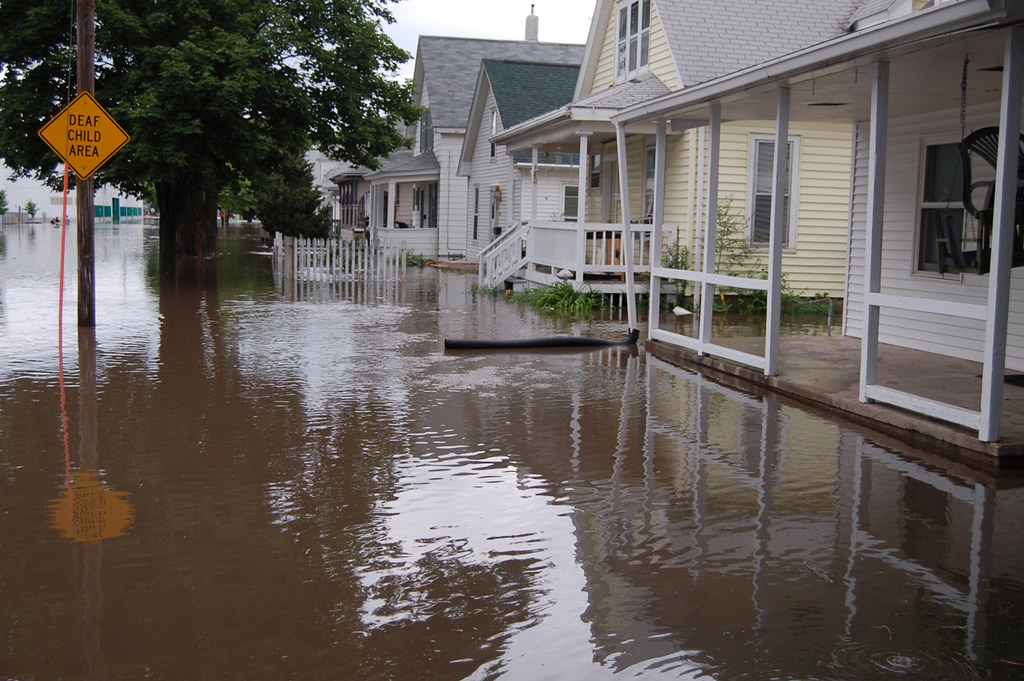
The warning was issued with less than two hours of lead time — from 1:56PM to 4:00PM MDT. Flash flood events in Southern Utah move fast. Water poured through washes, into yards, under garage doors, and through vulnerabilities in foundations that homeowners didn't know existed. Communities across the Hurricane Valley were affected, including Hurricane, Ivins, Santa Clara, and neighboring areas.
DRT was monitoring the warning as it was issued and had crews ready to respond before the rain stopped falling.
What Affected Homeowners & Business Owners Did in the First Hours
The residents who fared best after the August 2026 flood followed a clear set of steps. Here's what the most prepared people did — and what we advise every property owner to do after any flooding event:
- Prioritized family safety first — They waited for flood waters to recede before re-entering their properties and avoided areas that appeared structurally compromised
- Documented everything immediately — Photos and video of all visible damage were captured before any cleanup began, which proved essential when working with insurance adjusters
- Avoided structurally unsafe areas — Floodwater can compromise foundations, walls, and flooring in ways that aren't visible to the eye
- Contacted their insurance company — Filing claims quickly helped speed up the approval and reimbursement process
- Called DRT right away — Early water extraction and structural drying dramatically reduced the extent of secondary damage, including mold growth
Dealing with flood damage and not sure where to start? Call DRT now: 385-287-6344
How DRT Helped After the August 2026 Flood
Disaster Repair Team provided full emergency restoration services to homes and businesses across Hurricane, Ivins, Santa Clara, and the broader Washington County area following the August 2026 flash flood. Our response included:
- 24/7 emergency water extraction — Crews mobilized quickly to remove standing water before it could cause deeper structural damage
- Industrial structural drying — Commercial-grade drying equipment was deployed throughout affected properties to prevent long-term moisture damage
- Board-up and weatherproofing — Properties with compromised openings were secured immediately
- Mold remediation — In the days and weeks following the flood, DRT returned to assess and remediate mold in properties where moisture had lingered
- Full rebuild coordination — From drywall to flooring to cabinetry, DRT helped property owners rebuild what was lost
- Direct insurance coordination — Our team worked directly with homeowners' insurance companies to document damage, streamline claims, and reduce the administrative burden on affected families
Lessons Learned: What the August 2026 Flood Taught Hurricane Valley Homeowners
Every major weather event leaves behind knowledge. Here's what we learned — and what local property owners told us they wish they'd known beforehand:
- Flash floods move faster than you expect. The window between warning and water arriving at your door can be less than an hour. Having a plan before storm season matters.
- The first 24–48 hours are critical. Water that sits in walls, under flooring, or in crawl spaces for more than 24–48 hours dramatically increases the risk of mold growth and structural damage. Speed of response directly affected outcomes in August 2026.
- Documentation protects you financially. Homeowners who photographed and video-recorded damage before touching anything had significantly smoother insurance claim experiences.
- Not all flooding is covered the same way. Several property owners discovered during this event that their standard homeowners policy didn't cover flash flood damage the way they assumed. Reviewing your coverage before the next storm season is worth the phone call.
- Local teams respond faster. DRT is based in Southern Utah. When a warning dropped for Hurricane, we weren't driving in from Las Vegas or Salt Lake — we were already here. That proximity made a measurable difference in response time.
- Secondary damage can cost more than the initial flood. Mold, compromised insulation, warped framing — the damage that happens after the water recedes is often more expensive than the original event. Acting fast with professional drying equipment prevents most of it.
- Neighbors who helped each other fared better. Community check-ins, shared resources, and word-of-mouth about trusted contractors helped residents make better decisions under pressure.
DRT Has Been Through This Before — And We'll Be Here for the Next One
The August 2026 flash flood wasn't the first major weather event DRT responded to in Washington County, and it won't be the last. Southern Utah's geography — its washes, red rock terrain, and monsoon season — means flooding is a recurring reality for communities like Hurricane, Ivins, and Santa Clara.
Disaster Repair Team was built for exactly this. We live here, we work here, and we've helped hundreds of local families and businesses recover from water damage, storm damage, mold, and more. When the next warning comes, we'll be ready again.
If your property was affected by the August 2026 flood — or any flooding event — and you haven't yet had a professional assessment, it's not too late. Hidden moisture and developing mold can still be identified and treated.
Call DRT for a damage assessment: 385-287-6344
Services DRT Provided After the August 2026 Flood
- 24/7 Emergency water extraction
- Structural drying and moisture mapping
- Board-up and emergency weatherproofing
- Smoke and soot removal (fire-related flood events)
- Mold inspection and remediation
- Full rebuild and reconstruction coordination
- Direct insurance company coordination
We serve Hurricane, Ivins, Santa Clara, St. George, Washington City, La Verkin, Toquerville, and communities throughout Washington County.
Questions? Ready to get started? Call anytime: 385-287-6344
```Most homeowner policies cover sudden water damage (burst pipes, appliance failures). Natural flooding typically requires separate flood insurance. Either way, DRT documents everything from day one — moisture readings, photos, scope of work — so your claim is supported whether it goes through your standard policy or a flood policy.
Frequently Asked Questions
How quickly does mold grow after flooding?
Will my homeowner's insurance cover flood damage restoration?
What should I NOT do after my home floods?
How quickly can DRT respond?
Do I need to file my insurance claim before calling DRT?
DRT serves Hurricane and surrounding areas. View our full Hurricane service area page for more about our restoration services in your area, or browse all service areas.
Need Help Now?
The Disaster Repair Team provides 24/7 emergency restoration services across Utah.
Request Help Online