August 2026 Flash Flood Warning — Hurricane, Ivins, Santa Clara & more — Emergency Restoration
- Recovery resources and next steps
- Insurance claim guidance
- Lessons learned for future prevention
- Professional restoration support
Mold can start growing within 24–48 hours of water exposure. Fast extraction and drying dramatically reduce secondary damage and health risks.
Live Conditions
Real-time weather radar for Utah
- Do NOT stand in water near electrical outlets or appliances
- Shut off main water supply if the source is a pipe or appliance
- Turn off electricity to affected areas at the breaker — only if safe to reach
- Do NOT use household vacuums on standing water
- Move to higher ground if water is rising rapidly
How DRT Helped Utah Recover from the August 2026 Flash Flood Warning — Hurricane, Ivins, Santa Clara & More
A Case Study & Recovery Resource from the Disaster Repair Team
About This Event
On August 31, 2026, the National Weather Service Salt Lake City issued a Flash Flood Warning at 1:56 PM MDT, affecting communities across Washington County including Hurricane, Ivins, Santa Clara, and surrounding areas. The warning remained in effect until 4:00 PM MDT, but the damage left behind lasted far longer.
The Disaster Repair Team (DRT) responded immediately, deploying crews across the affected region to help homeowners and businesses begin the recovery process. This page documents what happened, what we learned, and what you should know if your property was affected — or if you want to be better prepared for the next event.
If you're still dealing with damage from this storm or any flooding event, we're here to help. Call us anytime: 385-287-6344
What Homeowners & Businesses Faced
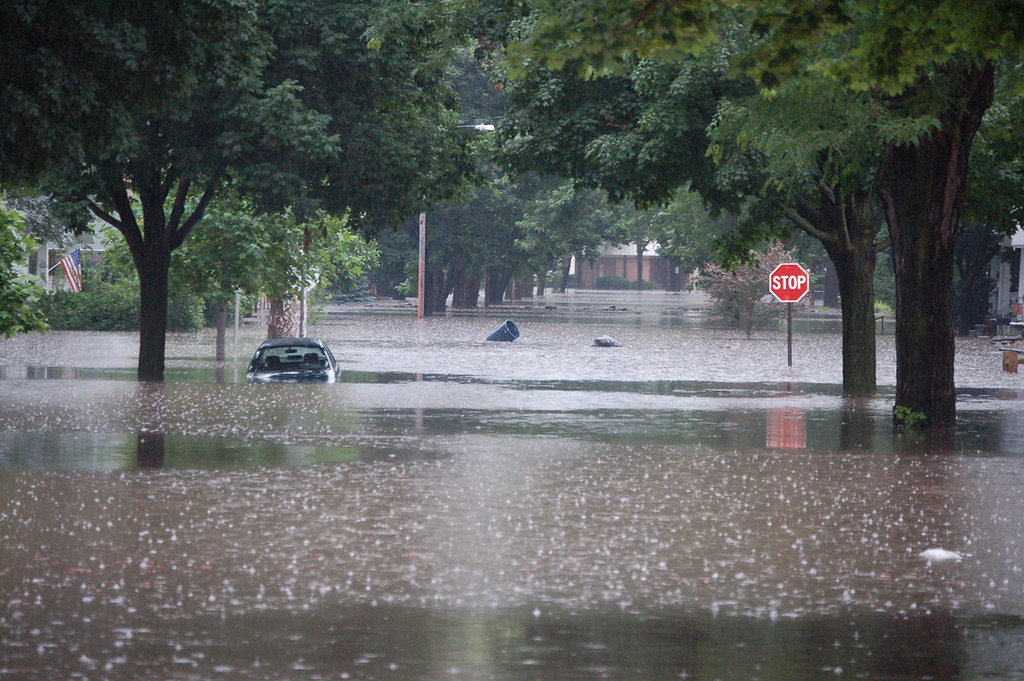
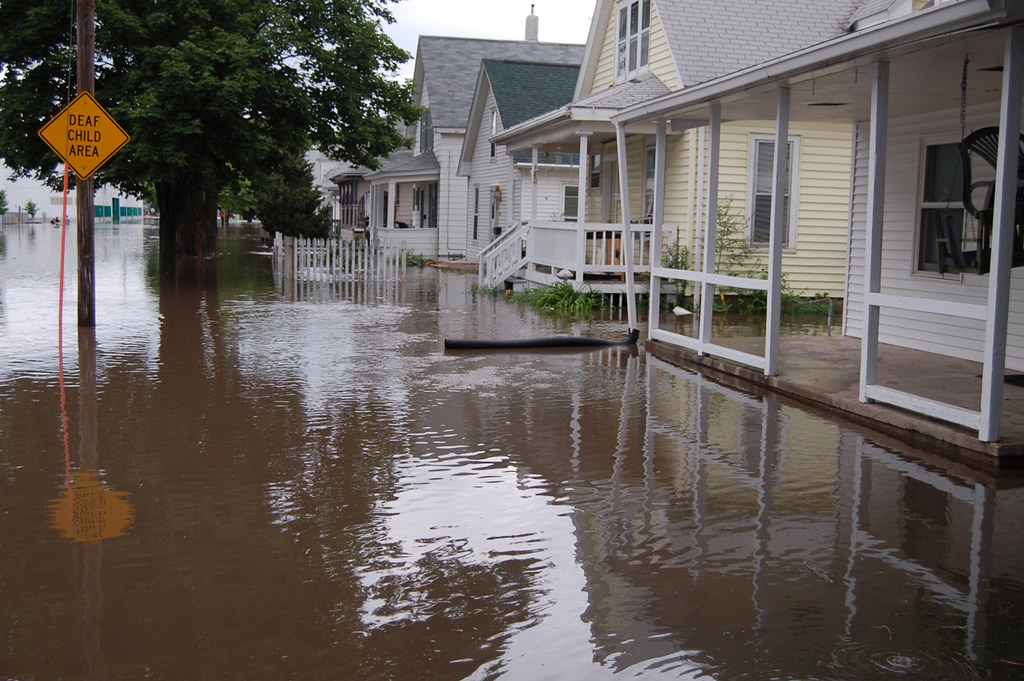
Flash flooding in southern Utah moves fast. Within minutes of heavy rainfall, water was pushing through doorways, into garages, and beneath foundations across Hurricane, Ivins, and Santa Clara. Many residents had little to no warning before water entered their homes. The aftermath included:
- Standing water and saturated flooring, drywall, and insulation
- Mud and debris deposits throughout living spaces
- Compromised structural integrity in some lower-level areas
- Early-stage mold risk due to Utah's heat accelerating moisture damage
- Overwhelmed drainage systems and flooded crawl spaces
What to Do After a Flash Flood — Practical Steps DRT Advised On-Site
During our response to the August 2026 event, our crews walked dozens of property owners through the same critical first steps. Whether you're recovering from this storm or a future flooding event, these actions make a real difference in your outcome:
- Prioritize your family's safety above all else. Do not re-enter your property until floodwaters have fully receded and local authorities have given the all-clear.
- Document everything before cleanup begins. Take detailed photos and video of all damage — walls, floors, ceilings, contents, and the exterior. This documentation is critical for your insurance claim.
- Do not enter structurally compromised areas. Floodwater can weaken foundations, floors, and load-bearing walls. When in doubt, wait for a professional assessment.
- Contact your insurance company promptly. Report the loss as soon as possible. DRT works directly with insurance carriers and can assist with documentation and the claims process.
- Begin drying out as quickly as possible. Every hour matters. Mold can begin developing within 24–48 hours in Utah's heat. Call DRT to start professional water extraction and structural drying immediately.
Need help now or dealing with lingering damage? Call DRT: 385-287-6344
How DRT Responded — Services Deployed After the August 2026 Flood
From the moment the warning was issued, DRT crews were staged and ready. In the hours and days that followed, we provided the full spectrum of emergency restoration services to affected homes and businesses across Washington County, including:
- Emergency water extraction — removing standing water rapidly to minimize saturation damage
- Structural drying — industrial-grade dehumidifiers and air movers deployed throughout affected structures
- Mud and debris removal — clearing out storm-deposited material safely and efficiently
- Board-up and tarping — securing compromised structures against further damage
- Mold remediation — addressing early mold growth before it became a larger health concern
- Smoke and soot removal — for properties affected by secondary fire or electrical damage
- Full rebuild coordination — managing repairs from initial damage through final restoration
- Direct insurance billing — working with adjusters on behalf of our customers to streamline the claims process
DRT operated on a 24/7 basis throughout the recovery period, ensuring no family had to wait through the night with water in their home.
Lessons Learned — What the August 2026 Flood Taught Us (and Our Customers)
Every disaster response leaves our team better prepared for the next one. Here's what stood out from this event:
1. Speed Is Everything in Utah's Climate
Southern Utah's heat is an asset most of the year — but after a flood, it accelerates mold growth dramatically. Properties where extraction began within a few hours of flooding sustained significantly less secondary damage than those where water sat overnight. The lesson: don't wait to make the call.
2. Flash Floods Don't Follow Expected Paths
Many homeowners in Ivins and Santa Clara were caught off guard because their properties had never flooded before. Drainage patterns changed by upstream development, dry washes running full for the first time in years — the August 2026 event was a reminder that in Washington County, flood risk is rarely zero. Pre-event preparation matters.
3. Documentation Before Cleanup Saves Money
A number of customers who started cleaning up on their own before documenting the damage ran into challenges with their insurance claims. Always photograph and video the full extent of damage before moving or removing anything.
4. Insurance Communication Is a Full-Time Job During Recovery
Homeowners who let DRT coordinate directly with their insurance adjusters reported a smoother, faster claims experience. Having an experienced restoration contractor as your advocate — someone who speaks the adjuster's language — made a measurable difference in claim outcomes.
5. Community Preparedness Reduces Recovery Time
Neighborhoods where residents had emergency contacts ready, knew how to shut off utilities, and had basic documentation of their home's pre-flood condition recovered faster. We now encourage all Washington County homeowners to have a simple flood preparedness checklist on hand before storm season.
DRT — Southern Utah's Experienced Local Restoration Team
The August 2026 flood wasn't the first time DRT responded to a major weather event in Washington County, and it won't be the last. Our team is local, licensed, and experienced with the specific challenges that flash flooding presents in desert communities — from the speed of onset to the intensity of heat-driven mold growth in the hours that follow.
When the next storm comes, you don't want to be searching for a contractor. You want a team that already knows your community, has been on the ground here before, and can pick up the phone at 2:00 AM.
That's DRT.
Still Dealing With Flood Damage? We Can Help.
Whether you're still managing lingering issues from the August 2026 event or you've experienced new damage, DRT is available 24/7 for emergency restoration across Hurricane, Ivins, Santa Clara, Washington City, St. George, and surrounding areas.
- ✅ Free damage assessments
- ✅ Direct insurance billing
- ✅ 24/7 emergency response
- ✅ Full-service restoration — water, mold, rebuild
- ✅ Local crew, not a franchise call center
Call DRT now: 385-287-6344
```Affected Areas
Select a city for location-specific emergency information and restoration resources.
What to Expect When You Call
Here's how DRT responds to emergency calls:
Need Help Now?
The Disaster Repair Team provides 24/7 emergency restoration services across Utah.
Request Help Online