Emergency Flood & Water Damage Restoration — St. George
- Recovery resources and next steps
- Insurance claim guidance
- Lessons learned for future prevention
- Professional restoration support
Mold can start growing within 24–48 hours of water exposure. Fast extraction and drying dramatically reduce secondary damage and health risks.
Live Conditions
Real-time weather radar for Utah
How DRT Helped St. George Recover from the August 2026 Flash Flood — A Community Recovery Guide
Serving Hurricane, Ivins, Santa Clara, Washington, and the greater St. George area
About the August 31, 2026 Flash Flood Warning
On August 31, 2026, the National Weather Service Salt Lake City issued a Flash Flood Warning at 1:56 PM MDT for the St. George area, including communities across Washington County such as Hurricane, Ivins, Santa Clara, and Washington City. The warning remained in effect until 4:00 PM MDT as heavy rainfall moved through the region, overwhelming drainage systems and sending water into homes, businesses, and roadways across the area.
The Disaster Repair Team (DRT) mobilized immediately, responding to calls across the affected communities and helping dozens of homeowners and business owners begin the recovery process. This page documents what happened, what we learned, and what you should know if your property was affected — or if you want to be better prepared for the next event.
Still dealing with damage from this storm? We're here.
Call DRT: 385-287-6344
What Homeowners and Businesses Experienced
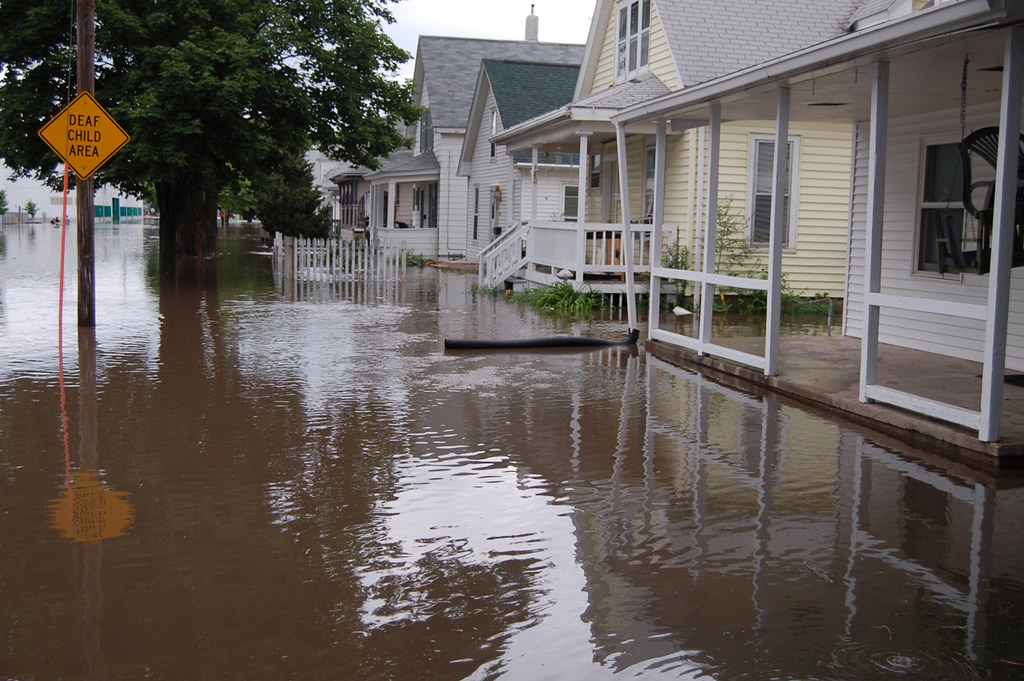
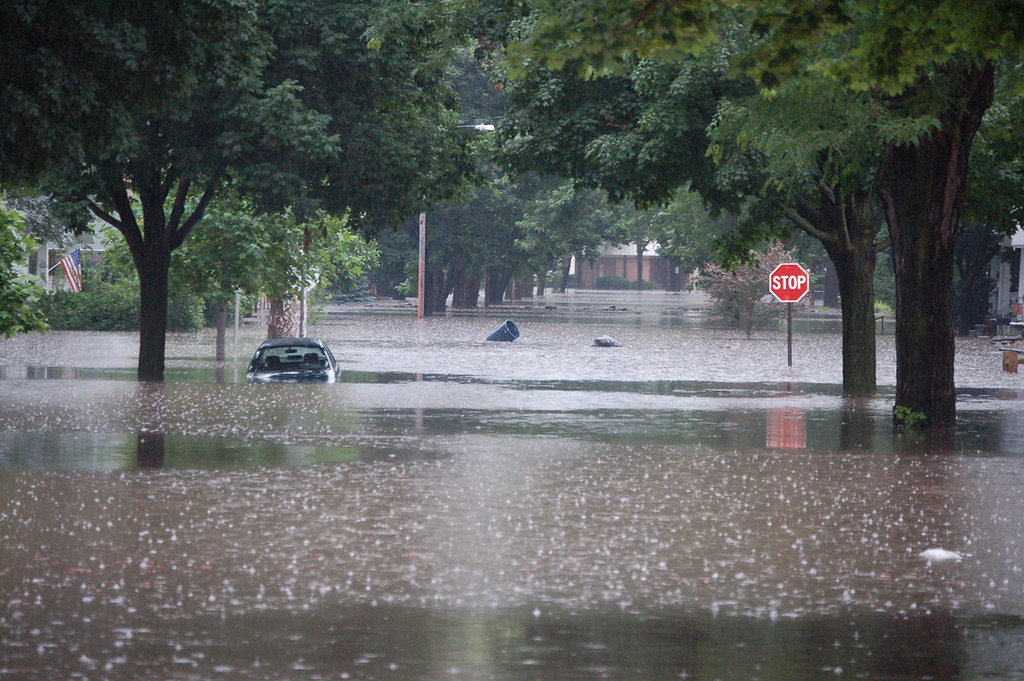
Flash flooding in the St. George corridor moves fast and hits hard. In the hours and days following the August 31 warning, affected residents faced:
- Rapid water intrusion into ground-floor living spaces, garages, and crawl spaces
- Saturated drywall, insulation, and flooring that began deteriorating within hours
- Mud and debris deposits left behind as floodwaters receded
- Concerns about mold growth beginning within 24–48 hours of water contact
- Difficulty reaching insurance companies and navigating the claims process
If your property was affected and you haven't yet had a professional assessment, it's not too late. Hidden moisture trapped inside walls and under flooring can continue to cause structural damage and promote mold growth long after the water appears to be gone.
What to Do After a Flash Flood — The Right Steps
Based on our experience responding to the August 2026 event and flash floods throughout Washington County, here is the process we walked homeowners through:
1. Prioritize Safety First
- Do not re-enter your home or business until authorities confirmed it was structurally safe
- Avoid contact with floodwater, which may carry sewage, chemicals, or contaminants
- Stay away from areas with visible structural compromise — sagging ceilings, shifted walls, or undermined foundations
- Turn off electricity at the breaker if water has reached outlets, appliances, or your electrical panel
2. Document Everything Before Cleanup Begins
- Photograph and video every affected room, item, and surface before any work starts
- Take close-up shots of waterlines on walls, damaged flooring, soaked belongings, and any visible structural damage
- Keep a written log of what was damaged and estimated values where possible
- Save receipts for any emergency expenses — hotels, meals, temporary repairs
3. Contact Your Insurance Company
- Report the claim as soon as possible — delays can complicate coverage
- Ask your adjuster about coverage for water extraction, structural drying, and temporary housing
- Do not sign off on a settlement until you have a full scope of damage from a licensed restoration contractor
- DRT worked directly with insurance companies throughout the August 2026 recovery — we can help you navigate this process
4. Call a Professional Restoration Team
- Standing water must be extracted immediately — every hour increases damage and mold risk
- Industrial drying equipment, not household fans, is required to properly dry structural materials
- Moisture levels inside walls and floors must be measured and monitored — not guessed
- Professional documentation of damage scope protects your insurance claim
DRT is available 24/7 for assessment and restoration — even if the storm has passed.
Call: 385-287-6344
How DRT Responded to the August 2026 Flash Flood
When the Flash Flood Warning was issued, DRT's response team was already staging equipment and fielding calls before the warning expired. In the days that followed, we provided the following services to affected homes and businesses across St. George, Hurricane, Ivins, and Santa Clara:
- Emergency water extraction — removing standing water quickly to limit damage spread
- Structural drying — deploying industrial air movers and dehumidifiers to dry walls, subfloors, and framing from the inside out
- Moisture mapping — using thermal imaging and moisture meters to find hidden water intrusion
- Mold remediation — treating affected areas where mold began to develop in the 48–72 hours after flooding
- Debris and mud removal — clearing flood deposits so restoration work could begin
- Board-up and tarping — securing properties where doors, windows, or roofing were compromised
- Insurance coordination — working directly with adjusters to document damage and support claims
- Full rebuild coordination — managing repairs from drywall and flooring replacement through finish work
We are a local team. We live and work in Washington County. When floods hit this community, we respond as neighbors — not as an out-of-state franchise brought in after a disaster.
Lessons Learned: What the August 2026 Flood Taught Us
Every major weather event reveals gaps in preparedness and reinforces what works. Here is what we observed responding to the August 31, 2026 flash flood across the St. George area:
Lesson 1: Waiting Costs More Than Acting
Homeowners who called within the first few hours of water intrusion saw significantly less secondary damage than those who waited to see if things would "dry out on their own." Water wicks into drywall, insulation, and wood framing rapidly. After 24–48 hours, mold risk increases substantially. After 72 hours, materials that could have been dried in place often had to be removed entirely.
Lesson 2: Flash Floods in the High Desert Are Deceptive
Washington County's dry climate can give homeowners a false sense of security. The same conditions that cause intense summer monsoon activity — hardpan soil, sparse vegetation, steep terrain — also cause water to move fast and in high volume. Properties in Hurricane and Santa Clara that had never flooded before were impacted in August 2026. "It's never happened here before" is not a reliable indicator of future risk.
Lesson 3: Not All Damage Is Visible
Several homeowners who attempted DIY cleanup were surprised weeks later when mold appeared inside walls or musty odors persisted. Moisture that looks dry on the surface can remain trapped in wall cavities and under flooring for weeks. Professional moisture measurement — not visual inspection — is the only reliable way to confirm a structure is truly dry.
Lesson 4: Insurance Documentation Makes or Breaks Claims
Homeowners who documented damage thoroughly before beginning any cleanup — and who had a licensed contractor's scope of work in hand before settling with their insurer — consistently received more complete settlements. Homeowners who cleaned up first and called later had a harder time proving the full extent of their losses.
Lesson 5: Local Preparedness Matters
Households that had even basic preparedness in place — an emergency kit, knowledge of where their water and electrical shutoffs were, and a plan for documentation — moved through the recovery process faster and with less stress. Washington County is a flash flood risk area. Treating it as such before a storm arrives pays dividends when one does.
Is Your Property Still Showing Signs of Damage?
If your home or business was affected by the August 2026 flash flood and you are still experiencing any of the following, contact DRT for an assessment:
- Musty or mildew odors that weren't present before the storm
- Visible mold or discoloration on walls, ceilings, or floors
- Warping, buckling, or soft spots in flooring
- Peeling paint or bubbling drywall
- Persistent humidity or condensation inside the home
- Structural concerns — sticking doors, cracked walls, uneven floors
These are signs that moisture may still be present or that damage was not fully addressed. Left untreated, these issues worsen over time and become significantly more expensive to repair.
Schedule an assessment with DRT today:
Call: 385-287-6344
Prepare for the Next Flash Flood Warning
Flash flood events in Washington County are not rare. The geography, soil composition, and summer monsoon pattern mean that storms like the one on August 31, 2026 will happen again. Here is how to be better prepared:
- Know your risk. Check FEMA flood maps and Washington County hazard data for your property's flood zone designation.
- Review your insurance coverage. Standard homeowner's policies typically do not cover flood damage. Ask your agent about flood insurance through the National Flood Insurance Program (NFIP) or a private carrier.
- Know your shutoffs. Locate your main water shutoff, electrical panel, and gas shutoff now — not during a flood.
- Build a documentation baseline. Photograph and inventory your belongings annually. Store copies in the cloud or off-site.
- Have a restoration contact ready. Save DRT's number now so you're not searching during an emergency.
Save this number: 385-287-6344
DRT — 24/7 Emergency Restoration | St. George, Hurricane, Ivins, Santa Clara, Washington City, and surrounding Washington County communities
Most homeowner policies cover sudden water damage (burst pipes, appliance failures). Natural flooding typically requires separate flood insurance. Either way, DRT documents everything from day one — moisture readings, photos, scope of work — so your claim is supported whether it goes through your standard policy or a flood policy.
Frequently Asked Questions
How quickly does mold grow after flooding?
Will my homeowner's insurance cover flood damage restoration?
What should I NOT do after my home floods?
How quickly can DRT respond?
Do I need to file my insurance claim before calling DRT?
DRT serves St. George and surrounding areas. View our full St. George service area page for more about our restoration services in your area, or browse all service areas.
Need Help Now?
The Disaster Repair Team provides 24/7 emergency restoration services across Utah.
Request Help Online