Emergency Flood & Water Damage Restoration — Santa Clara
- Recovery resources and next steps
- Insurance claim guidance
- Lessons learned for future prevention
- Professional restoration support
Mold can start growing within 24–48 hours of water exposure. Fast extraction and drying dramatically reduce secondary damage and health risks.
Live Conditions
Real-time weather radar for Utah
How DRT Helped Santa Clara Recover from the August 2026 Flash Flood Warning
A Recovery Case Study & Resource Guide — Hurricane, Ivins, Santa Clara & Surrounding Communities
On August 31, 2026, the National Weather Service Salt Lake City issued a Flash Flood Warning for Santa Clara and surrounding Washington County communities — including Hurricane and Ivins — effective from 1:56 PM MDT through 4:00 PM MDT. The Disaster Repair Team (DRT) mobilized immediately and worked alongside affected homeowners and businesses throughout the recovery process.
This page serves as a permanent resource for anyone who experienced flooding during that event, and for future residents who may face similar situations. If you are dealing with flood damage right now, our team is still here.
Call DRT anytime, 24/7: 385-287-6344
What the August 2026 Flash Flood Looked Like on the Ground
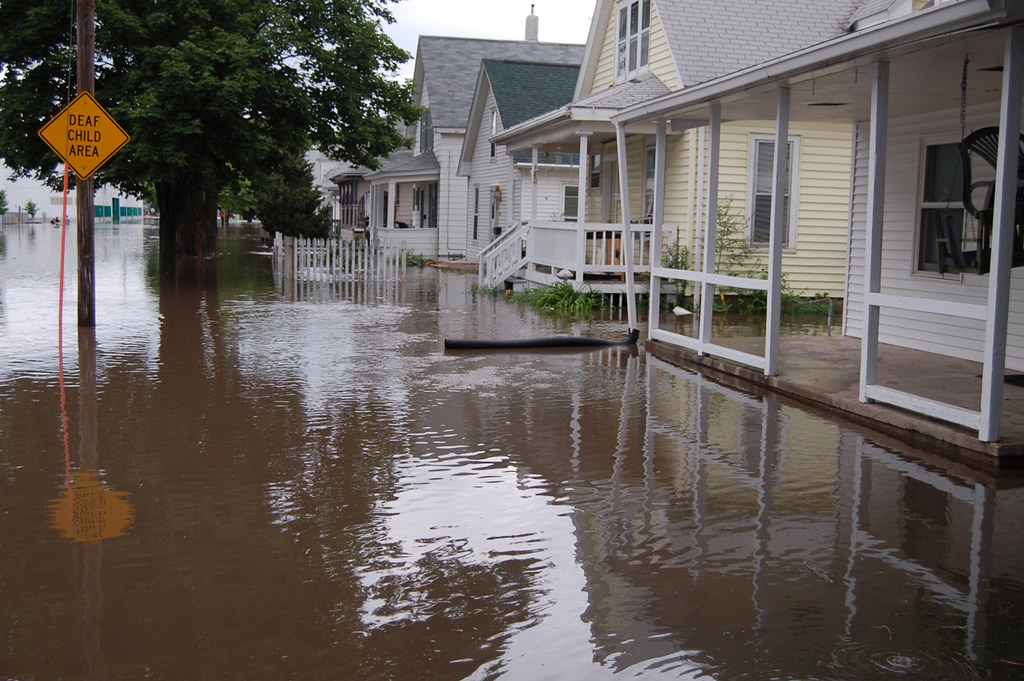
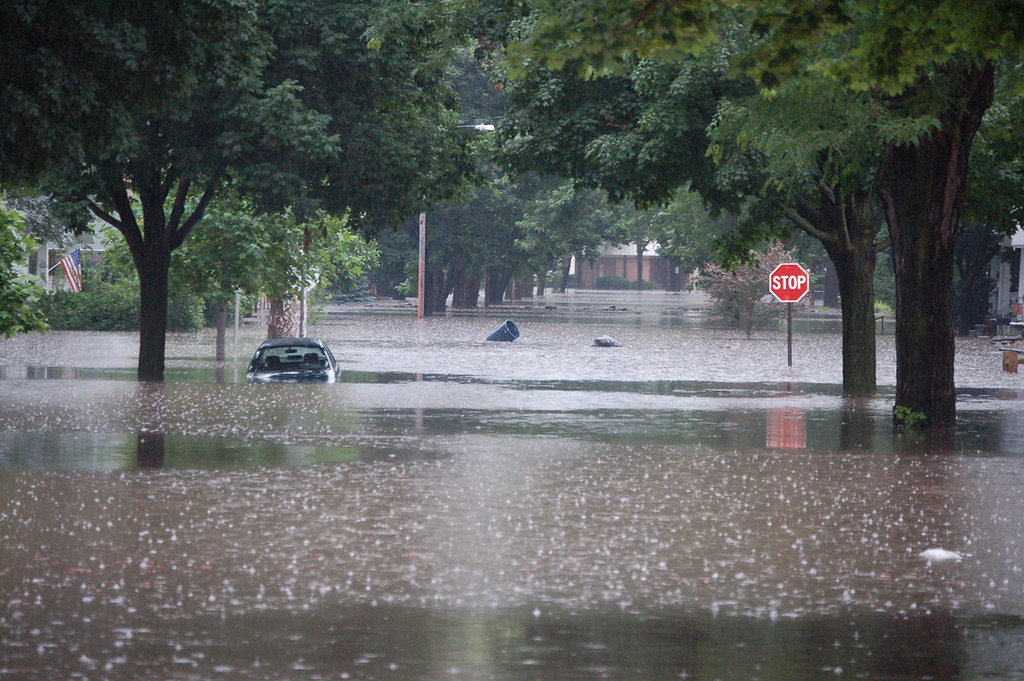
Flash flooding in Washington County can escalate within minutes. During the August 31 event, rapidly moving water entered homes and commercial properties across the Santa Clara River corridor and surrounding low-lying areas. Many property owners had little warning before water began crossing thresholds, entering garages, and infiltrating crawl spaces and lower levels.
DRT crews were on-site at affected properties within hours of the warning expiration, beginning water extraction and structural assessment before secondary damage — including mold — had a chance to take hold.
What to Do After a Flash Flood: The Steps That Made a Difference
Whether you're looking back at the August 2026 event or preparing for the next one, these steps are what helped our clients minimize long-term damage and navigate the recovery process successfully:
- Prioritize your family's safety first. Floodwater can hide structural damage, electrical hazards, and contamination. Do not re-enter your home until it has been cleared as safe.
- Document everything before cleanup begins. Homeowners who photographed and video-recorded all damage before moving anything had significantly smoother insurance claims. Capture water lines on walls, damaged contents, and all affected rooms.
- Avoid structurally compromised areas. Saturated drywall, buckled flooring, and compromised foundations can fail unexpectedly. When in doubt, wait for a professional assessment.
- Contact your insurance company promptly. Early notification of a claim — ideally within 24–48 hours — helped our clients avoid delays and disputes over the cause and extent of damage.
- Call a certified restoration company before attempting DIY drying. Improper drying methods trap moisture inside walls and subfloors, leading to mold growth within 48–72 hours. Professional equipment made the critical difference for properties in this event.
- Call DRT for restoration support: 385-287-6344
How DRT Responded
The Disaster Repair Team provided end-to-end emergency restoration services throughout the August 2026 recovery effort, including:
- Emergency water extraction — industrial-grade pumps and wet vacuums removed standing water quickly to reduce structural saturation
- Structural drying — commercial dehumidifiers and air movers were deployed to dry walls, subfloors, and framing from the inside out, with moisture readings tracked daily
- Board-up and property securing — damaged entry points were secured to protect homes from weather and unauthorized entry
- Mold remediation — properties where drying was delayed received full mold assessment and remediation in accordance with IICRC standards
- Smoke and soot removal — for properties that experienced both flooding and fire-related damage during the storm
- Full rebuild coordination — once mitigation was complete, DRT managed reconstruction so clients worked with one team from start to finish
- Direct insurance billing — DRT worked directly with adjusters and carriers, reducing the administrative burden on homeowners during an already stressful time
Ready to start your recovery? Call us 24/7: 385-287-6344
Lessons Learned: What the August 2026 Flood Taught Us
Every disaster leaves behind knowledge that helps the next recovery go better. Here is what DRT and the homeowners we served took away from the August 31, 2026 event:
1. Speed is the single biggest factor in outcome
Properties where mitigation began within 24 hours of the flood consistently experienced less structural damage, lower remediation costs, and faster return to normal. Properties where owners waited — often hoping the damage was minor — required significantly more intervention, including mold remediation that could have been avoided entirely.
2. Flash floods in Washington County move fast and carry debris
The Santa Clara River corridor and the desert terrain around Hurricane and Ivins accelerate runoff dramatically. What looks like a passing storm upstream can become a damaging surge at grade level within minutes. Residents in these areas learned to act on NWS warnings immediately rather than waiting to see what developed.
3. Standard homeowner's insurance often does not cover flood damage
A number of property owners discovered during this event that their standard policies excluded rising-water flood damage. Understanding the difference between flood insurance (NFIP or private) and homeowner's insurance before a storm is critical. DRT worked with clients across multiple coverage situations and helped them identify all possible avenues for reimbursement.
4. Visible damage is rarely the full picture
Water that enters a structure wicks upward into wall cavities and migrates under flooring. Several properties that appeared to have minimal surface damage were found — via moisture meters and thermal imaging — to have significant hidden saturation. Professional assessment caught damage that would have gone undetected and caused serious mold problems within weeks.
5. Having a restoration contact before disaster strikes saves critical hours
Clients who had already heard of DRT or had our number saved were able to reach us immediately after the warning lifted. Those who had to research options during the chaos of a flood event lost hours they could not afford to lose. We encourage all Washington County homeowners to save our number now: 385-287-6344.
6. The community recovered faster together
Neighbors who shared information — where to report damage, how to document for insurance, which areas were most affected — helped each other move through the recovery process more efficiently. DRT is proud to have served as a resource not just for individual clients but for the broader Santa Clara, Hurricane, and Ivins communities during the recovery period.
DRT: Washington County's Local Restoration Team
The Disaster Repair Team is based in Southern Utah and has responded to flood, fire, and storm events across Washington County and surrounding areas for years. We are not a national franchise dispatching crews from out of state — we are your neighbors, and we know the terrain, the weather patterns, and the local building landscape.
When the August 2026 flash flood warning was issued, our team was already staged and ready. That local knowledge and readiness is what allows us to be on-site faster, communicate clearly with local adjusters, and get Washington County families back in their homes sooner.
If you experienced damage during the August 2026 flood event and have not yet completed your restoration, or if you are facing a new emergency, we are ready to help.
Call DRT 24/7: 385-287-6344
We work directly with your insurance company. Free damage assessments available.
```Most homeowner policies cover sudden water damage (burst pipes, appliance failures). Natural flooding typically requires separate flood insurance. Either way, DRT documents everything from day one — moisture readings, photos, scope of work — so your claim is supported whether it goes through your standard policy or a flood policy.
Frequently Asked Questions
How quickly does mold grow after flooding?
Will my homeowner's insurance cover flood damage restoration?
What should I NOT do after my home floods?
How quickly can DRT respond?
Do I need to file my insurance claim before calling DRT?
DRT serves Santa Clara and surrounding areas. View our full Santa Clara service area page for more about our restoration services in your area, or browse all service areas.
Need Help Now?
The Disaster Repair Team provides 24/7 emergency restoration services across Utah.
Request Help Online