Emergency Flood & Water Damage Restoration — Hurricane
- Recovery resources and next steps
- Insurance claim guidance
- Lessons learned for future prevention
- Professional restoration support
Mold can start growing within 24–48 hours of water exposure. Fast extraction and drying dramatically reduce secondary damage and health risks.
Live Conditions
Real-time weather radar for Utah
How DRT Helped Hurricane, Ivins, Santa Clara & Surrounding Communities Recover from the August 2026 Flash Flood
On August 13, 2026, the National Weather Service Salt Lake City issued a Flash Flood Warning at 3:16 AM MDT, affecting Hurricane, Ivins, Santa Clara, and neighboring communities in Washington County. The warning remained in effect until 6:15 AM MDT — but the cleanup and recovery work that followed lasted far longer.
When the floodwaters receded, the Disaster Repair Team (DRT) was on the ground helping homeowners and business owners pick up the pieces. This page serves as a case study and resource guide for anyone affected by that event — or anyone in Southern Utah who wants to be better prepared for the next one.
If you're still dealing with damage from this flood — or any flood — call us now: 385-287-6344
What Happened: The August 13, 2026 Flash Flood Warning
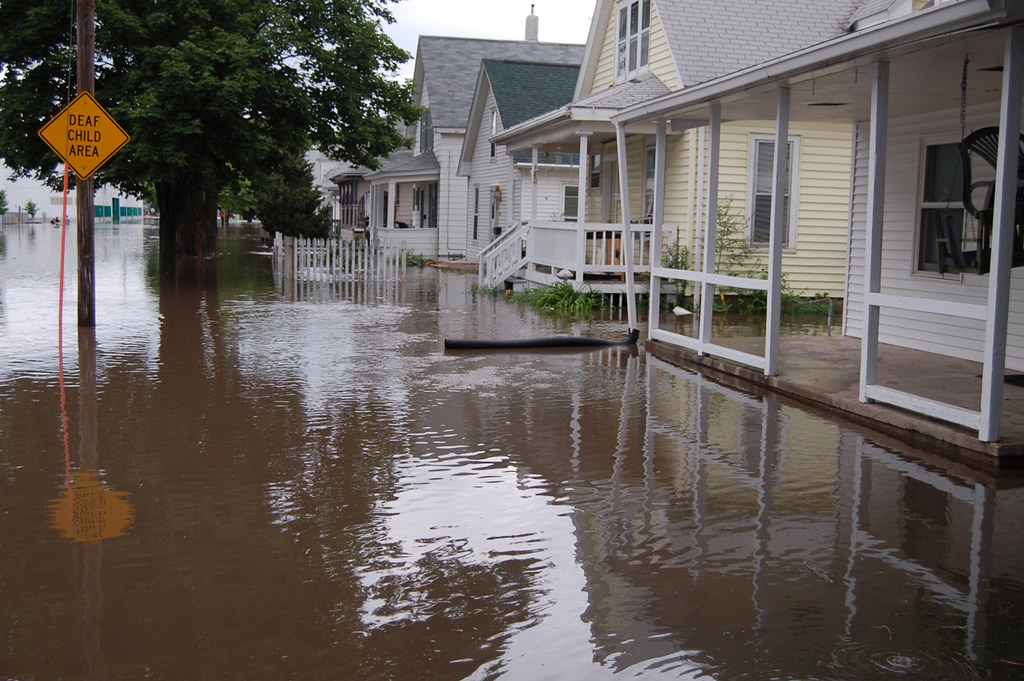
Flash flooding is a well-known risk across Washington County, where desert terrain, hardpan soil, and monsoon-season storms create conditions where water moves fast and with little warning. The August 13 event was no exception. Issued in the early morning hours, the warning caught many residents off guard while they slept, and daylight revealed significant damage to homes, businesses, driveways, and infrastructure throughout the Hurricane Valley area.
DRT mobilized immediately. Our local crews — already familiar with the terrain and the types of damage common to this region — began responding to calls as soon as it was safe to do so.
What to Do After a Flash Flood: The Steps That Mattered
In the aftermath of the August 2026 flood, the homeowners who fared best were the ones who acted quickly and methodically. Here's the recovery checklist we shared at the time — and the same advice we give after every flood event:
- Prioritize your family's safety first. Before re-entering your home, confirm that there are no structural hazards, downed power lines, or ongoing water intrusion.
- Document all damage thoroughly with photos and video before moving or removing anything. This documentation is critical for your insurance claim.
- Do not enter structurally compromised areas. Floodwater can undermine foundations, weaken walls, and create hidden dangers that aren't immediately visible.
- Contact your insurance company as soon as possible to open a claim and understand your coverage.
- Call DRT to begin emergency restoration. The sooner water extraction and structural drying begins, the lower the risk of secondary damage like mold growth and structural deterioration.
Ready to talk to a local recovery expert? Call DRT: 385-287-6344
How DRT Responded: Services Deployed After the August 2026 Flood
DRT provided the full spectrum of emergency and long-term restoration services to affected properties across Hurricane, Ivins, Santa Clara, and the broader Washington County area, including:
- 24/7 Emergency Water Extraction — Removing standing water fast to limit damage to flooring, drywall, and structural components
- Structural Drying — Industrial dehumidification and airflow management to thoroughly dry affected areas and prevent mold
- Board-Up & Tarping — Securing properties where doors, windows, or roofing were compromised
- Mold Remediation — Identifying and eliminating mold growth that can begin within 24–48 hours of water intrusion
- Smoke & Soot Removal — For properties where secondary fire or electrical damage occurred
- Full Rebuild Coordination — Managing the repair and reconstruction process from start to finish
- Insurance Coordination — Working directly with insurance adjusters to document damage, support claims, and reduce the burden on property owners
DRT handled each job with the same commitment: get there fast, dry it right, and restore the property to pre-loss condition — or better.
Lessons Learned: What the August 2026 Flood Taught Southern Utah Homeowners
Every major weather event leaves behind more than damage — it leaves behind knowledge. Here's what we observed and what property owners in the Hurricane Valley area took away from the August 2026 flash flood:
-
Flash floods don't give much warning — and neither does water damage.
The gap between a NWS warning and actual flooding can be minutes. Having a plan in place before a storm — including knowing who to call and what to document — made a measurable difference in recovery outcomes for our clients. -
The first 24–48 hours are critical.
Properties where water extraction began quickly saw significantly less secondary damage. Mold can begin developing within 24 hours of water intrusion. Waiting — even for a day or two — cost some property owners additional time, money, and stress. -
Desert soil doesn't absorb water the way people expect.
Washington County's hardpan and sandy soil can shed water rapidly, sending it toward foundations, garages, and low-lying structures. Many homeowners were surprised by where water entered their properties. Understanding your property's drainage and grading is an important preventive step. -
Insurance documentation starts before the cleanup.
Homeowners who photographed and video-documented damage before touching anything had smoother, faster claims. Those who started cleaning up before documenting sometimes had difficulty proving the full extent of their loss. -
Local matters.
DRT's crews knew the neighborhoods, the soil conditions, and the building types common to Hurricane and the surrounding area. That local knowledge translated into faster response times and more effective drying strategies than a out-of-area contractor unfamiliar with the region could provide. -
Having a restoration company in mind before disaster strikes saves time when it matters most.
The homeowners who had DRT's number saved in their phones — or who had worked with us before — were able to get crews dispatched faster. We encourage every Southern Utah property owner to save our number now, before you need it.
DRT: Southern Utah's Experienced Local Restoration Team
The August 2026 flash flood wasn't the first time DRT responded to a major weather event in Washington County — and it won't be the last. We've been through the monsoon seasons, the desert flash floods, and the slow-burn water damage that follows. We know this area, we know these homes, and we know what it takes to restore them.
If you're still dealing with damage from the August 2026 flood, or if you've experienced any water, fire, or storm damage since, DRT is ready to help. We offer 24/7 emergency response, work directly with your insurance company, and stand behind every job we do.
Call DRT now — day or night: 385-287-6344
Serving Hurricane, Ivins, Santa Clara, St. George, Washington City, La Verkin, Toquerville, and communities throughout Washington County, Utah.
```Most homeowner policies cover sudden water damage (burst pipes, appliance failures). Natural flooding typically requires separate flood insurance. Either way, DRT documents everything from day one — moisture readings, photos, scope of work — so your claim is supported whether it goes through your standard policy or a flood policy.
Frequently Asked Questions
How quickly does mold grow after flooding?
Will my homeowner's insurance cover flood damage restoration?
What should I NOT do after my home floods?
How quickly can DRT respond?
Do I need to file my insurance claim before calling DRT?
DRT serves Hurricane and surrounding areas. View our full Hurricane service area page for more about our restoration services in your area, or browse all service areas.
Need Help Now?
The Disaster Repair Team provides 24/7 emergency restoration services across Utah.
Request Help Online