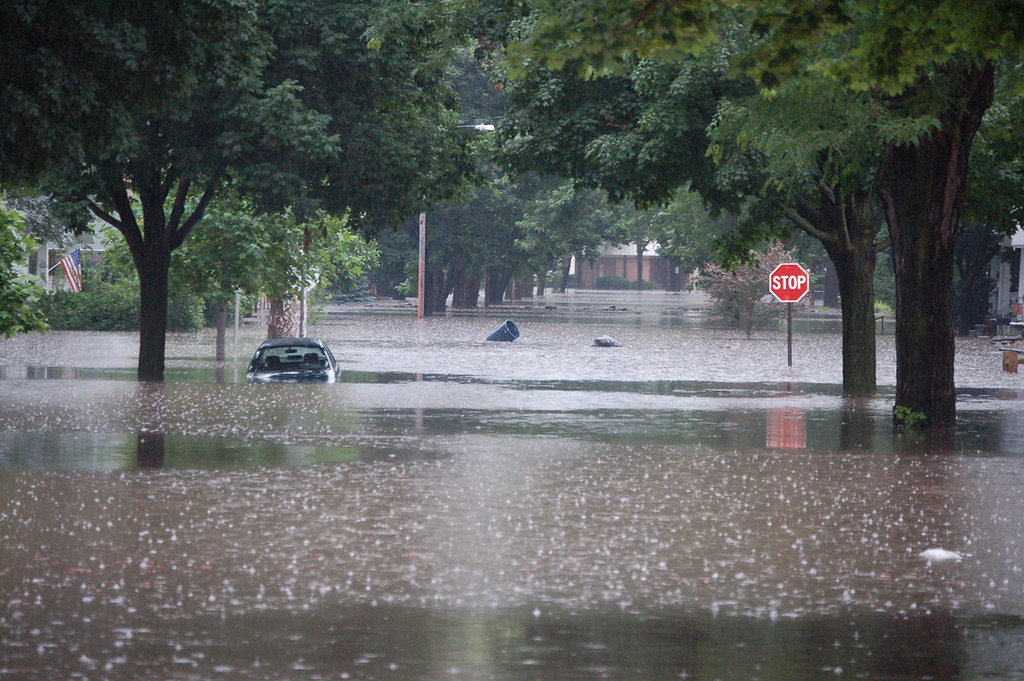
August 2026 Flash Flood Warning — Hurricane, Ivins, Santa Clara & more — Emergency Restoration
- Recovery resources and next steps
- Insurance claim guidance
- Lessons learned for future prevention
- Professional restoration support
Mold can start growing within 24–48 hours of water exposure. Fast extraction and drying dramatically reduce secondary damage and health risks.
Live Conditions
Real-time weather radar for Utah
- Do NOT stand in water near electrical outlets or appliances
- Shut off main water supply if the source is a pipe or appliance
- Turn off electricity to affected areas at the breaker — only if safe to reach
- Do NOT use household vacuums on standing water
- Move to higher ground if water is rising rapidly
How DRT Helped Utah Recover from the August 2026 Flash Flood — Hurricane, Ivins, Santa Clara & More
In the early morning hours of August 13, 2026, the National Weather Service Salt Lake City issued a Flash Flood Warning at 3:16 AM MDT affecting communities across Washington County, including Hurricane, Ivins, Santa Clara, and surrounding areas. By 6:15 AM, the warning had lifted — but for hundreds of homeowners and business owners, the hard work was just beginning.
The Disaster Repair Team (DRT) responded immediately and spent the days and weeks that followed helping affected residents recover, rebuild, and move forward. This page serves as a permanent resource and case study documenting what happened, how we helped, and what every Utah property owner should know after a flash flood event.
If you're dealing with flood damage now — from this event or any other — we're still here:
Call us 24/7: 385-287-6344
What Happened: The August 2026 Flash Flood
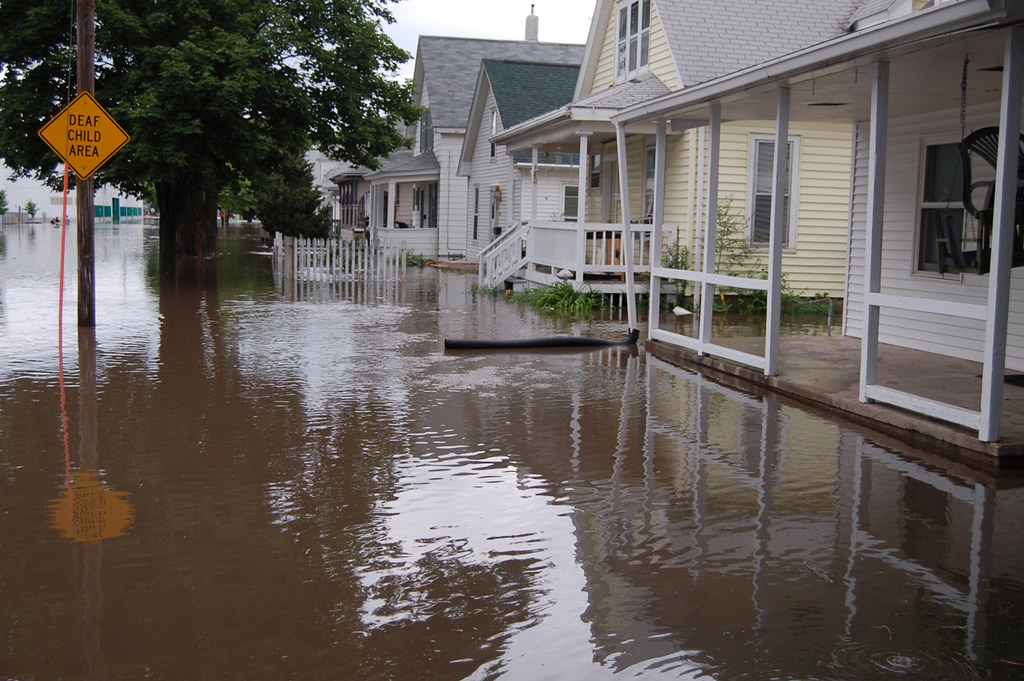
Flash flood warnings in Southern Utah can escalate with little notice, and the August 13, 2026 event was no exception. Issued in the middle of the night, the warning gave residents minimal time to prepare. Water moved quickly through arroyos, washes, and low-lying neighborhoods, pushing mud, debris, and sediment into homes, garages, and commercial properties throughout the Hurricane Valley area.
DRT crews were on the ground within hours of the warning's issuance, staging equipment and responding to calls across the affected region. Over the following weeks, we completed dozens of emergency extractions, structural drying projects, and full restoration scopes for families and business owners who had been caught off guard.
What to Do After a Flash Flood: The Checklist That Helped Hundreds of Residents
Whether you experienced this event or are facing flood damage today, the steps that helped our August 2026 clients are the same ones that apply after any flash flood:
- Prioritize your family's safety first. Do not return to a flooded property until authorities confirm it is safe to do so.
- Document all damage with photos and video before moving or discarding anything. This documentation was critical for insurance claims after the August event.
- Do not enter structurally compromised areas. Floodwater can weaken foundations, floors, and walls in ways that aren't immediately visible.
- Contact your insurance company as soon as possible to open a claim and understand your coverage.
- Call DRT for professional restoration. The longer water and moisture sit in a structure, the greater the risk of mold, structural damage, and secondary losses. Speed matters.
Ready to get started? Call DRT: 385-287-6344
How DRT Helped: Services Deployed During the August 2026 Recovery
DRT provided comprehensive restoration services to affected homeowners and businesses throughout the recovery period, including:
- Emergency water extraction — removing standing water quickly to limit structural saturation
- Structural drying — using industrial air movers and dehumidifiers to dry walls, subfloors, and framing to safe moisture levels
- Board-up and tarping — securing properties with compromised doors, windows, or rooflines
- Mud and debris removal — clearing the heavy sediment load that flash floods deposit inside structures
- Mold remediation — treating properties where moisture had been present long enough to allow mold growth
- Smoke and soot removal — for any fire-related secondary damage
- Full rebuild coordination — managing the complete restoration from demo through finished reconstruction
- Direct insurance billing — working with adjusters on behalf of our clients to streamline the claims process
Our team worked directly with insurance companies throughout the August 2026 event, helping clients navigate the claims process and avoid common pitfalls that can delay or reduce settlements.
Lessons Learned: What the August 2026 Flood Taught Utah Homeowners
After working through dozens of recovery projects in the wake of the August 2026 flash flood, our team identified several patterns that made a significant difference in outcomes for the property owners we served. These lessons apply to any homeowner or business owner in flash flood-prone areas of Utah:
1. The First Few Hours Are the Most Important
Properties where water was extracted within the first 24–48 hours consistently had lower overall damage, lower restoration costs, and faster return-to-normal timelines. Waiting — even by a day — allowed moisture to wick into framing, drywall, and insulation, significantly expanding the scope of work required.
2. Flash Floods Leave More Than Water Behind
Many homeowners were surprised to find that the mud, sediment, and debris deposited by floodwater required specialized handling. Standard cleaning methods weren't sufficient, and in some cases, saturated insulation and compromised drywall needed full replacement even when the flood itself seemed minor.
3. Middle-of-the-Night Warnings Catch Families Off Guard
The 3:16 AM warning time meant most residents were asleep when the event began. Having an emergency contact ready — and knowing in advance who to call — reduced response time for the families who were best prepared. Consider saving DRT's number now: 385-287-6344.
4. Insurance Documentation Starts at the Property, Not the Adjuster's Office
Clients who had thorough photo and video documentation of damage before any cleanup began had smoother, faster claims experiences. Those who started cleaning up without documenting first often struggled to substantiate the full scope of their losses.
5. Southern Utah's Terrain Amplifies Flash Flood Risk
The desert landscape of Washington County — with its hardpan soil, canyon geography, and minimal vegetation — means water moves fast and with force. Communities like Hurricane, Ivins, and Santa Clara have geography that can channel runoff directly into developed areas. Understanding your property's position relative to local washes and drainage patterns is essential preparedness knowledge.
6. Mold Can Follow Quickly in Utah Summers
Despite Utah's dry climate, interior moisture trapped behind walls or under flooring in the heat of August can create mold conditions within 24–72 hours. Several clients who delayed professional drying faced mold remediation costs that could have been avoided with faster intervention.
DRT: Southern Utah's Experienced Local Recovery Team
The August 2026 flash flood wasn't the first major weather event DRT has responded to in Washington County — and it won't be the last. Our team is based in Southern Utah, knows the terrain, and has built relationships with local insurance adjusters, inspectors, and contractors that make recovery faster and less stressful for our clients.
When the next flash flood warning goes out — whether it's for Hurricane, Ivins, Santa Clara, St. George, or anywhere in the region — DRT will be ready to respond. We maintain 24/7 emergency availability year-round because disasters don't keep business hours.
If your home or business was affected by the August 2026 flood and you still have unresolved damage or mold concerns, it's not too late to call. If you're facing a new emergency, we're ready now.
Call DRT anytime, 24/7: 385-287-6344
```Affected Areas
Select a city for location-specific emergency information and restoration resources.
What to Expect When You Call
Here's how DRT responds to emergency calls:
Need Help Now?
The Disaster Repair Team provides 24/7 emergency restoration services across Utah.
Request Help Online