Emergency Flood & Water Damage Restoration — Santa Clara
- Recovery resources and next steps
- Insurance claim guidance
- Lessons learned for future prevention
- Professional restoration support
Mold can start growing within 24–48 hours of water exposure. Fast extraction and drying dramatically reduce secondary damage and health risks.
Live Conditions
Real-time weather radar for Utah
How DRT Helped Santa Clara Recover from the August 2026 Flash Flood Warning
A Case Study in Community Flood Recovery — Hurricane, Ivins, Santa Clara & Surrounding Areas
In the early morning hours of August 13, 2026, the National Weather Service in Salt Lake City issued a Flash Flood Warning for Santa Clara and surrounding Washington County communities — including Hurricane and Ivins — effective from 3:16 AM MDT through 6:15 AM MDT. When floodwaters receded, local homeowners and business owners were left facing significant water damage, structural concerns, and an overwhelming recovery process.
The Disaster Repair Team (DRT) responded immediately and worked alongside affected residents throughout the cleanup and restoration process. This page documents what happened, what we learned, and what you should know if you were impacted — or want to be better prepared for the next event.
Already dealing with damage? We're still here. Call DRT anytime: 385-287-6344
What Happened: The August 2026 Flash Flood Event
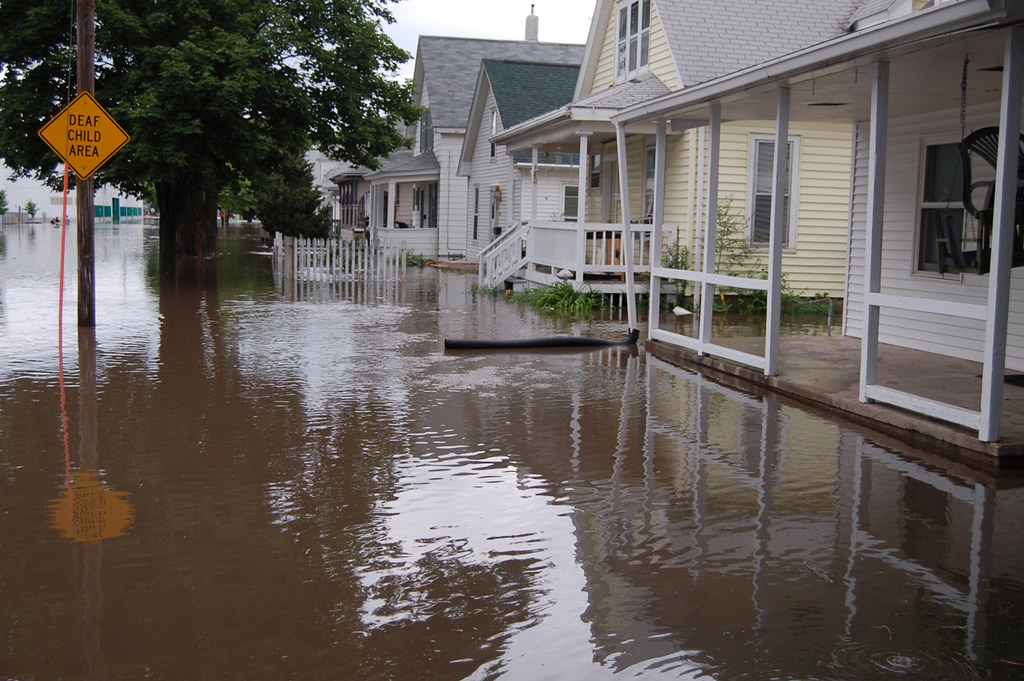
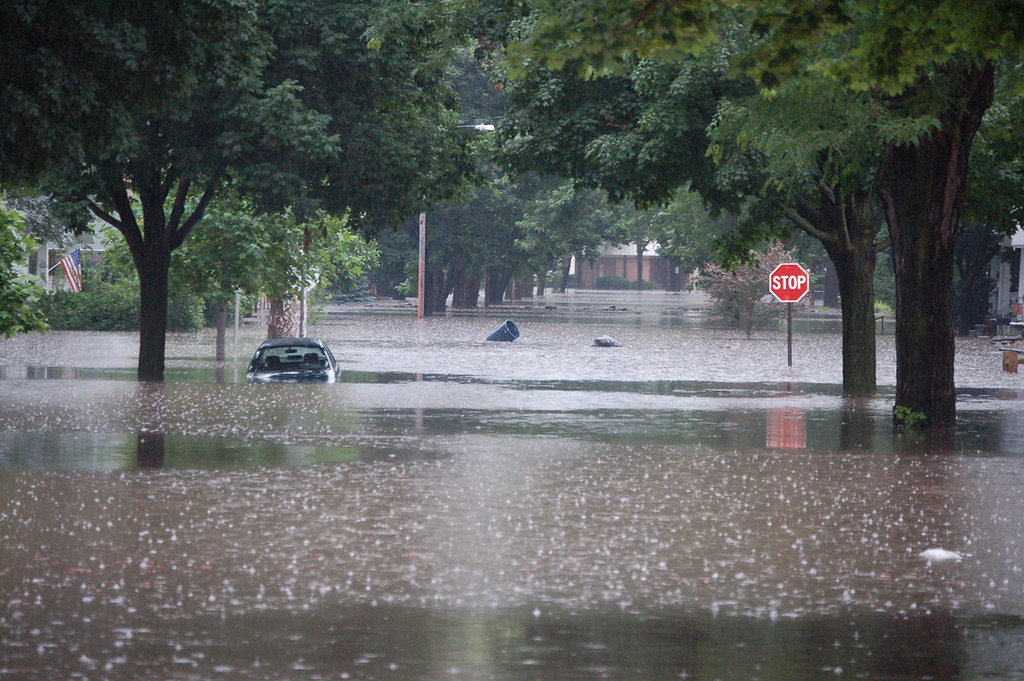
Flash flood warnings in Washington County are not uncommon during monsoon season, but the August 13 event moved fast and caught many residents off guard before dawn. Floodwaters entered homes through low-lying entry points, garages, and crawl spaces across Santa Clara, Hurricane, and Ivins. Storm drains overwhelmed quickly, and some structures sustained damage to drywall, flooring, insulation, and electrical systems within hours.
DRT crews were mobilized before the warning expired and began assessments as soon as it was safe to enter affected areas.
What Homeowners and Businesses Did Right (And What You Should Do After Any Flood)
The residents who recovered fastest were the ones who took smart, immediate steps. Here is the checklist DRT recommended — and that proved effective — following the August 2026 event:
- Prioritized family safety first — Residents who waited until water levels were confirmed stable before re-entering avoided injury and secondary hazards.
- Documented all damage with photos and video — Thorough photo and video documentation before any cleanup began was critical for insurance claims and restoration scoping.
- Avoided structurally compromised areas — Flood events can weaken floors, walls, and foundations in ways that aren't immediately visible. Residents who stayed out of suspect areas avoided serious risk.
- Contacted their insurance company early — Opening a claim promptly kept the recovery timeline moving. DRT worked directly with adjusters to streamline the process.
- Called DRT for emergency restoration — Fast extraction and drying in the first 24–48 hours is the single most effective way to prevent secondary mold damage. Call us: 385-287-6344
How DRT Helped Restore Santa Clara, Hurricane, and Ivins
DRT provided comprehensive emergency restoration services to affected homeowners and businesses following the August 2026 flash flood. Our crews delivered:
- Water extraction — Rapid removal of standing water to stop ongoing structural saturation
- Structural drying — Industrial air movers and dehumidifiers deployed to dry walls, subfloors, and framing
- Board-up and site security — Protecting damaged structures from further exposure
- Mold remediation — Addressing microbial growth that began within days of the flood event in some properties
- Smoke and soot removal — For any properties with secondary fire-related damage
- Full rebuild coordination — From drywall and flooring replacement to complete interior restoration
- Direct insurance coordination — DRT worked with adjusters so homeowners didn't have to navigate the claims process alone
DRT has deep roots in Washington County and understands the specific challenges that monsoon-season flash flooding presents in the St. George area. We've been through this before — and we know how to get families and businesses back to normal quickly.
Need restoration help now or want to consult on damage from a past event? Call DRT: 385-287-6344
Lessons Learned: What the August 2026 Flood Taught Our Community
Every flood event leaves behind more than water damage — it leaves behind knowledge. Here is what the August 2026 event reinforced for homeowners and businesses in the Santa Clara area:
1. Flash Floods Move Faster Than You Expect
The warning window was less than three hours, issued before most residents were awake. Properties in low-lying areas and near washes experienced damage within the first hour. Early-warning notifications from NWS and Washington County Emergency Management proved essential for residents who signed up in advance.
2. The First 48 Hours Determine Long-Term Damage
Properties where water sat for more than 24–48 hours before extraction showed significantly higher rates of mold growth and structural damage. Speed of response is the most important variable in flood recovery outcomes.
3. Standard Homeowner's Insurance Often Doesn't Cover Flood Damage
Many affected residents discovered their standard policies excluded flood events. Reviewing your policy annually — and considering NFIP or supplemental flood coverage — is a critical takeaway from this event.
4. Documentation Saved Thousands in Claims
Residents who photographed and video-recorded damage before touching anything received stronger insurance settlements. Those who started cleanup before documenting sometimes struggled to substantiate full losses.
5. Local Experience Matters in Restoration
Contractors who understood Washington County's soil composition, typical construction methods, and monsoon moisture patterns were able to dry structures more efficiently and avoid over-drying or missing hidden moisture pockets. DRT's local experience made a measurable difference in outcomes.
6. Flood-Proofing Investments Pay Off
Homeowners who had previously installed sump pumps, flood barriers, or elevated electrical systems in crawl spaces experienced significantly less damage. Post-flood is the right time to make these investments before the next event.
Is Your Home or Business Still Showing Signs of Flood Damage?
Flood damage isn't always obvious. Musty odors, warping floors, staining on walls, or unexplained allergy symptoms months after a flood event can all indicate hidden moisture or mold. If your property was affected by the August 2026 flash flood — or any prior event — and you haven't had a professional assessment, it's not too late.
DRT offers damage assessments for Washington County homeowners and business owners throughout the St. George metro area, including Santa Clara, Hurricane, Ivins, Washington City, and beyond.
Call DRT now: 385-287-6344
Available 24/7 for emergency response and scheduled consultations.
About Disaster Repair Team (DRT)
DRT is a locally operated disaster restoration company serving Washington County and the greater St. George, Utah area. We have responded to flash floods, fire damage, sewage backups, and major storm events throughout the region. When the August 2026 flash flood warning was issued, our team was already preparing to mobilize — because this is what we do, and this community is home.
We work directly with all major insurance carriers and are available around the clock when disaster strikes.
Ready to restore. Ready to help. 385-287-6344
```Most homeowner policies cover sudden water damage (burst pipes, appliance failures). Natural flooding typically requires separate flood insurance. Either way, DRT documents everything from day one — moisture readings, photos, scope of work — so your claim is supported whether it goes through your standard policy or a flood policy.
Frequently Asked Questions
How quickly does mold grow after flooding?
Will my homeowner's insurance cover flood damage restoration?
What should I NOT do after my home floods?
How quickly can DRT respond?
Do I need to file my insurance claim before calling DRT?
DRT serves Santa Clara and surrounding areas. View our full Santa Clara service area page for more about our restoration services in your area, or browse all service areas.
Need Help Now?
The Disaster Repair Team provides 24/7 emergency restoration services across Utah.
Request Help Online