Emergency Flood & Water Damage Restoration — St. George
- Recovery resources and next steps
- Insurance claim guidance
- Lessons learned for future prevention
- Professional restoration support
Mold can start growing within 24–48 hours of water exposure. Fast extraction and drying dramatically reduce secondary damage and health risks.
Live Conditions
Real-time weather radar for Utah
How DRT Helped St. George Recover from the August 2026 Flash Flood — A Community Recovery Guide
Covering Hurricane, Ivins, Santa Clara, Washington, and surrounding Washington County communities
About This Event
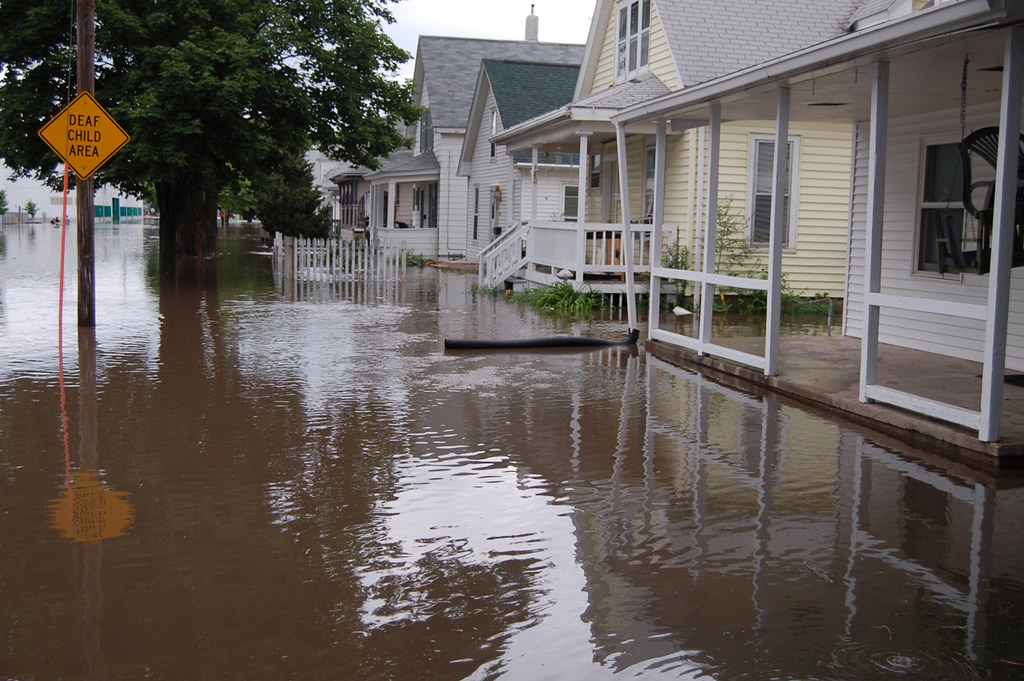
In the early morning hours of August 13, 2026, the National Weather Service Salt Lake City issued a Flash Flood Warning for the St. George area at 3:16 AM MDT. By 6:15 AM, floodwaters had impacted homes and businesses across Washington County — including neighborhoods in Hurricane, Ivins, Santa Clara, and Washington City.
The Disaster Repair Team (DRT) mobilized immediately and worked alongside affected residents and business owners throughout the recovery process. This page serves as a permanent resource for anyone who experienced damage during this event — and for future flood survivors in the region who need a trusted local team in their corner.
If you're still dealing with damage from this flood — or any flood — we're here. Call us 24/7: 385-287-6344
What Happened: The August 2026 Flash Flood Warning
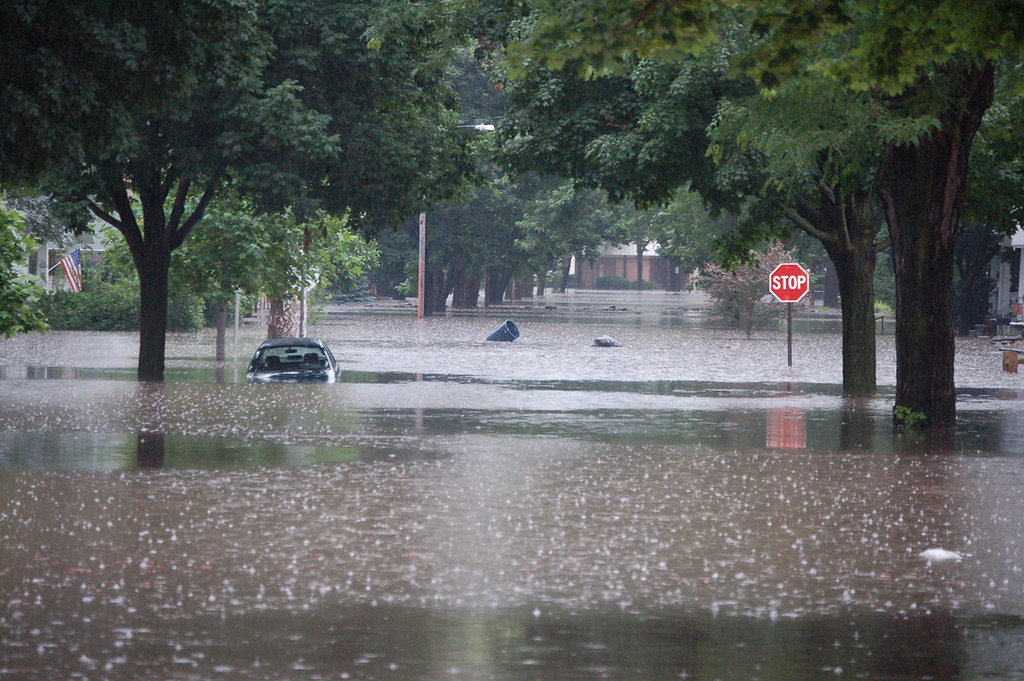
Southern Utah's monsoon season creates conditions ripe for fast-moving flash floods. The August 2026 event was no exception. Heavy rainfall upstream sent water rushing through washes, streets, and drainage corridors throughout the St. George metro area in a matter of hours. Many residents woke up to water already entering their homes — with little time to react.
DRT received calls beginning within the first hour of the warning and had crews deployed across the affected area by sunrise. From water extraction and structural drying to full rebuild coordination, our team was on the ground when the community needed it most.
What to Do After a Flash Flood: Lessons from August 2026
Whether you experienced this event or are preparing for the next one, these steps — learned from real recoveries in Washington County — can protect your health, your home, and your insurance claim.
Immediate Steps (First 24–48 Hours)
- Prioritize your family's safety above all else. Do not re-enter your home until authorities have confirmed it is structurally safe.
- Document everything before cleanup begins. Photograph and video every affected room, wall, floor, appliance, and belonging. This documentation was critical for successful insurance claims after the August 2026 event.
- Avoid structurally compromised areas. Floodwater weakens foundations, subflooring, and load-bearing walls. When in doubt, stay out.
- Contact your insurance company as soon as possible. Report the loss, ask about your coverage, and request a claims adjuster. Keep a written record of every conversation.
- Call DRT for emergency restoration services. The sooner water is extracted and drying begins, the less secondary damage — including mold — you'll face. Every hour matters. Call 385-287-6344
The Days That Followed: Restoration in Action
After the initial emergency response, DRT worked with homeowners and business owners across the region on:
- Industrial water extraction and structural drying
- Board-up and tarping to prevent further damage
- Mold testing, remediation, and prevention
- Smoke and soot removal (in cases where secondary fire damage occurred)
- Full rebuild coordination — from framing and drywall to flooring and finish work
- Direct insurance billing and adjuster coordination
We handle the process from first call to final walkthrough — so you don't have to manage a disaster and a construction project at the same time.
Lessons Learned: What the August 2026 Flood Taught Us
After working through this event with dozens of Washington County families and businesses, our team documented several patterns that shaped how we approach flood recovery — and how we advise homeowners going forward.
1. The First Hour Determines the Outcome
Homes where water was extracted within the first few hours experienced dramatically less secondary damage than those where water sat for 12–24 hours. Mold can begin to develop within 24–72 hours. Speed is not optional — it's protective.
2. Monsoon Floods Hit Faster Than Expected
Several residents reported that by the time the warning appeared on their phones, water was already approaching their property. Southern Utah's topography — washes, red rock terrain, and hardpacked desert soil — means runoff moves faster here than in many other regions. Having DRT's number saved in your phone before a storm is a preparation step, not an afterthought.
3. Documentation Wins Insurance Claims
Homeowners who photographed and video-recorded damage before any cleanup began had significantly smoother claims experiences. Those who started cleaning up first — understandably trying to protect their belongings — often faced disputes with adjusters over the extent of the damage. Document first. Always.
4. Not All Damage Is Visible
Some of the most serious damage from the August 2026 flood was hidden inside walls, under flooring, and in crawl spaces. DRT's moisture mapping and thermal imaging revealed damage in areas that looked dry to the naked eye. Skipping professional assessment meant some homeowners discovered mold weeks later — at significantly greater cost.
5. Local Knowledge Matters
National restoration chains deployed to the area during recovery were unfamiliar with Washington County's soil conditions, drainage patterns, and regional building standards. DRT crews live and work here. That familiarity — knowing which neighborhoods flood first, which washes back up, and which local subcontractors to trust — made a measurable difference in response time and quality of work.
Why Southern Utah Trusts DRT
DRT is a locally owned and operated restoration and rebuild company serving St. George, Hurricane, Ivins, Santa Clara, Washington, and all of Washington County. We've responded to flash floods, fire damage, water intrusion, and major storms throughout the region — and we work directly with your insurance company so you're never navigating the process alone.
We're not a call center. When you call DRT, you reach a local team member who knows your neighborhood and can have a crew en route the same day.
- ✅ 24/7 Emergency Response
- ✅ Water Extraction & Structural Drying
- ✅ Mold Remediation
- ✅ Board-Up & Tarping
- ✅ Full Rebuild Coordination
- ✅ Direct Insurance Billing
- ✅ Washington County Local Team
Still Dealing with Flood Damage? We Can Help.
If your home or business was affected by the August 2026 flash flood — or any flooding event — it's not too late to call. Moisture problems, mold, and structural issues can surface weeks or months after the initial event. DRT offers assessments and can help you understand your options, even if you've already filed a claim.
Call or text anytime — 24/7:
385-287-6344
We served this community through the August 2026 flood. We're ready for whatever comes next.
```Most homeowner policies cover sudden water damage (burst pipes, appliance failures). Natural flooding typically requires separate flood insurance. Either way, DRT documents everything from day one — moisture readings, photos, scope of work — so your claim is supported whether it goes through your standard policy or a flood policy.
Frequently Asked Questions
How quickly does mold grow after flooding?
Will my homeowner's insurance cover flood damage restoration?
What should I NOT do after my home floods?
How quickly can DRT respond?
Do I need to file my insurance claim before calling DRT?
DRT serves St. George and surrounding areas. View our full St. George service area page for more about our restoration services in your area, or browse all service areas.
Need Help Now?
The Disaster Repair Team provides 24/7 emergency restoration services across Utah.
Request Help Online