Emergency Flood & Water Damage Restoration — Washington City
- Recovery resources and next steps
- Insurance claim guidance
- Lessons learned for future prevention
- Professional restoration support
Mold can start growing within 24–48 hours of water exposure. Fast extraction and drying dramatically reduce secondary damage and health risks.
Live Conditions
Real-time weather radar for Utah
How DRT Helped Washington City Recover from the August 2026 Flash Flood — A Local Recovery Case Study
Serving Hurricane, Ivins, Santa Clara, Washington City, and surrounding St. George area communities
About This Event
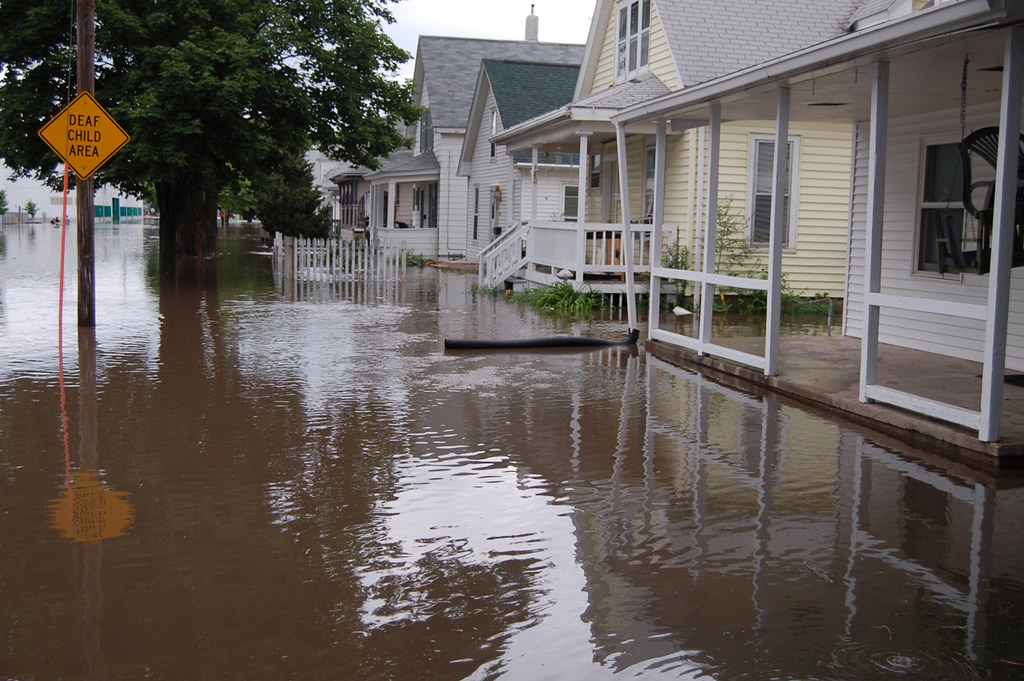
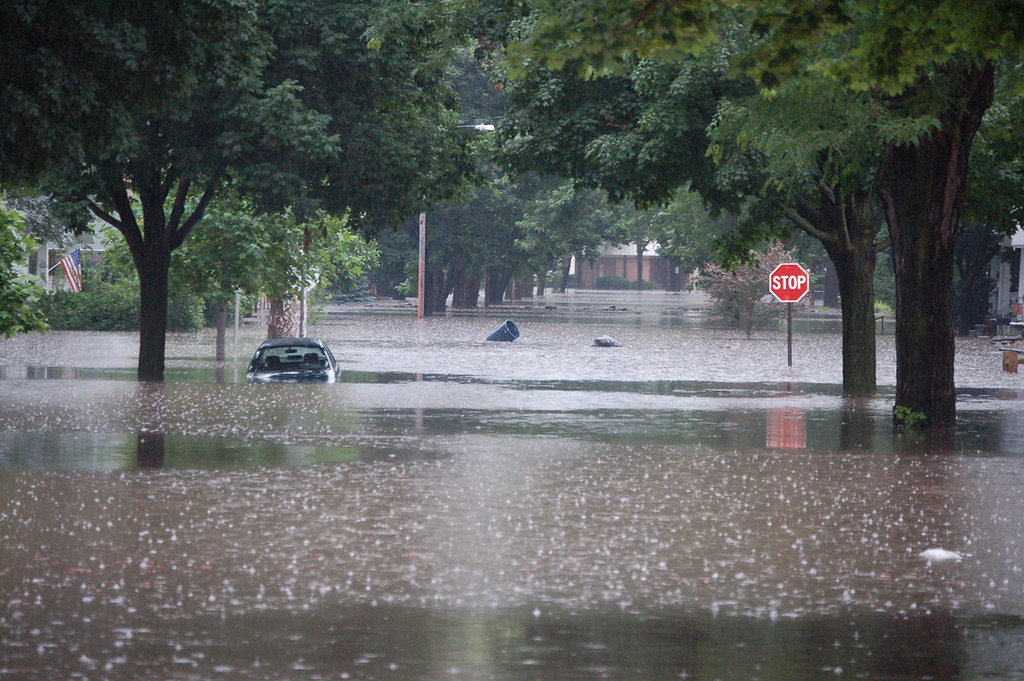
In the early morning hours of August 13, 2026, the National Weather Service Salt Lake City issued a Flash Flood Warning for Washington City and surrounding Washington County communities — effective from 3:16 AM MDT through 6:15 AM MDT. Residents in Hurricane, Ivins, Santa Clara, and Washington City woke to rapidly rising water, flooded driveways, and in many cases, water inside their homes and businesses.
The Disaster Repair Team (DRT) responded immediately, deploying crews across the affected area to begin water extraction, structural drying, and damage assessment. This page documents what happened, what we learned, and what any Washington County homeowner or business owner should know if they experience flash flooding in the future.
Dealing with flood damage now? We've been through this before and we're ready to help. Call us 24/7: 385-287-6344
What Happened: The August 2026 Flash Flood
Flash floods are a well-documented hazard in Washington County. The region's clay-heavy soils, steep canyon terrain, and intense summer monsoon storms create conditions where water can rise faster than most people expect — even in areas that rarely flood. The August 13, 2026 event was a reminder that no neighborhood in the greater St. George area is entirely immune.
Within hours of the warning, DRT had crews on the ground in Washington City, Hurricane, Ivins, and Santa Clara, responding to calls from homeowners and business owners who had sustained water intrusion, mud infiltration, and structural saturation.
What Homeowners and Businesses Did Right After the Flood
The residents who fared best in the aftermath of the August 2026 event followed a clear set of steps. If you're recovering from a flood — now or in the future — these are the actions that made the biggest difference:
- Prioritized family safety first. Homeowners who waited until floodwaters fully receded before re-entering their properties avoided injury from hidden hazards, including compromised flooring and electrical danger.
- Documented all damage with photos and video before cleanup began. Thorough documentation — room by room, inside and outside — proved critical when working with insurance adjusters. The more evidence captured early, the smoother the claims process went.
- Avoided structurally compromised areas. Flood-saturated walls, ceilings, and subfloors can fail without warning. Homeowners who waited for a professional assessment before re-occupying damaged spaces avoided potentially serious accidents.
- Contacted their insurance company promptly. Early notification started the claims clock and helped homeowners get adjusters on-site faster. DRT worked directly alongside insurers throughout this event.
- Called DRT immediately for emergency water extraction. The first 24–48 hours after flooding are critical. Standing water and saturated materials that are not dried quickly become mold and secondary damage risks within days. Homeowners who called early had significantly better outcomes. 385-287-6344
How DRT Responded
DRT provided comprehensive emergency restoration services across Washington County following the August 2026 event, including:
- 24/7 emergency water extraction — removing standing water from basements, garages, living areas, and commercial spaces as quickly as possible
- Structural drying — deploying industrial-grade air movers and dehumidifiers to dry walls, subfloors, and framing before mold could take hold
- Mud and debris removal — a particular challenge in flash flood events, where silt and debris compound water damage
- Board-up and property security — protecting damaged structures from further exposure
- Mold remediation — for properties where response was delayed or moisture persisted
- Full rebuild coordination — managing the restoration from initial extraction through finished repairs, working directly with homeowners' insurance carriers
Because DRT is locally based in the St. George area, our crews knew the neighborhoods, understood the terrain, and were on-site faster than out-of-area contractors who arrived days later.
Lessons Learned: What Washington County Residents Now Know About Flash Flooding
Having worked through the aftermath of the August 2026 event and numerous other flood and storm events across Washington County, DRT has seen firsthand what separates a manageable recovery from a prolonged, expensive ordeal. Here is what this community learned:
1. Speed Is Everything
Mold can begin developing in saturated building materials within 24 to 72 hours. Homeowners who called DRT within the first few hours of the flood had dramatically better outcomes — less mold, less structural damage, and lower overall restoration costs — than those who waited days to begin drying.
2. Flash Flooding Looks Different Than Other Water Damage
Flash flood water is not clean water. It carries silt, bacteria, sewage, chemicals, and debris. Standard cleanup approaches don't apply. Proper extraction, sanitization, and drying protocols are essential — and cutting corners creates long-term health and structural risks.
3. Washington County's Terrain Creates Hidden Risk
The canyon systems feeding into Hurricane, Washington City, and Santa Clara can funnel enormous water volume in a very short time. Many of the homeowners DRT served in August 2026 had never experienced flooding on their property before. Don't assume your home is safe because it hasn't flooded previously.
4. Insurance Works Better With a Restoration Partner
Homeowners who had DRT engaged before — or alongside — their insurance adjuster consistently reported smoother, faster claims resolution. DRT's documentation, scope reports, and direct insurer communication removed much of the burden from homeowners during an already stressful time.
5. Monsoon Season Preparedness Pays Off
Washington County sits squarely in the Southwest monsoon belt. Storms like the August 13, 2026 event are not rare anomalies — they are part of an annual pattern. Residents who had taken steps to improve drainage, clear debris from channels near their property, and know their flood risk in advance were better positioned to respond quickly.
6. Local Matters
Following a widespread weather event, national restoration chains and out-of-area "storm chasers" often flood the area — sometimes arriving days late, unfamiliar with local permitting and insurance practices. DRT is headquartered in the St. George area. We know Washington County. We were already here when this flood hit, and we'll be here the next time, too.
Is Your Home Still Showing Signs of Damage?
If your home or business experienced flooding during the August 2026 event — or any subsequent storm — and you are still noticing musty odors, soft spots in flooring, discoloration on walls, or visible mold growth, do not wait. Residual moisture problems do not resolve on their own and typically worsen over time.
DRT offers inspections and consultations for Washington County homeowners and businesses. We can assess whether moisture remains in your structure and recommend the appropriate next steps.
Call DRT today: 385-287-6344
About Disaster Repair Team (DRT)
DRT is a full-service emergency restoration and reconstruction company serving Washington County, Utah — including Washington City, Hurricane, Ivins, Santa Clara, St. George, and surrounding communities. We provide 24/7 emergency response for water damage, flooding, fire and smoke damage, mold remediation, and complete rebuild coordination. We work directly with all major insurance carriers.
When disaster hits your home or business, DRT is the local team that has been through this before — and will get you through it again.
Available 24/7. Call now: 385-287-6344
```Most homeowner policies cover sudden water damage (burst pipes, appliance failures). Natural flooding typically requires separate flood insurance. Either way, DRT documents everything from day one — moisture readings, photos, scope of work — so your claim is supported whether it goes through your standard policy or a flood policy.
Frequently Asked Questions
How quickly does mold grow after flooding?
Will my homeowner's insurance cover flood damage restoration?
What should I NOT do after my home floods?
How quickly can DRT respond?
Do I need to file my insurance claim before calling DRT?
DRT serves Washington City and surrounding areas. View our full Washington City service area page for more about our restoration services in your area, or browse all service areas.
Need Help Now?
The Disaster Repair Team provides 24/7 emergency restoration services across Utah.
Request Help Online