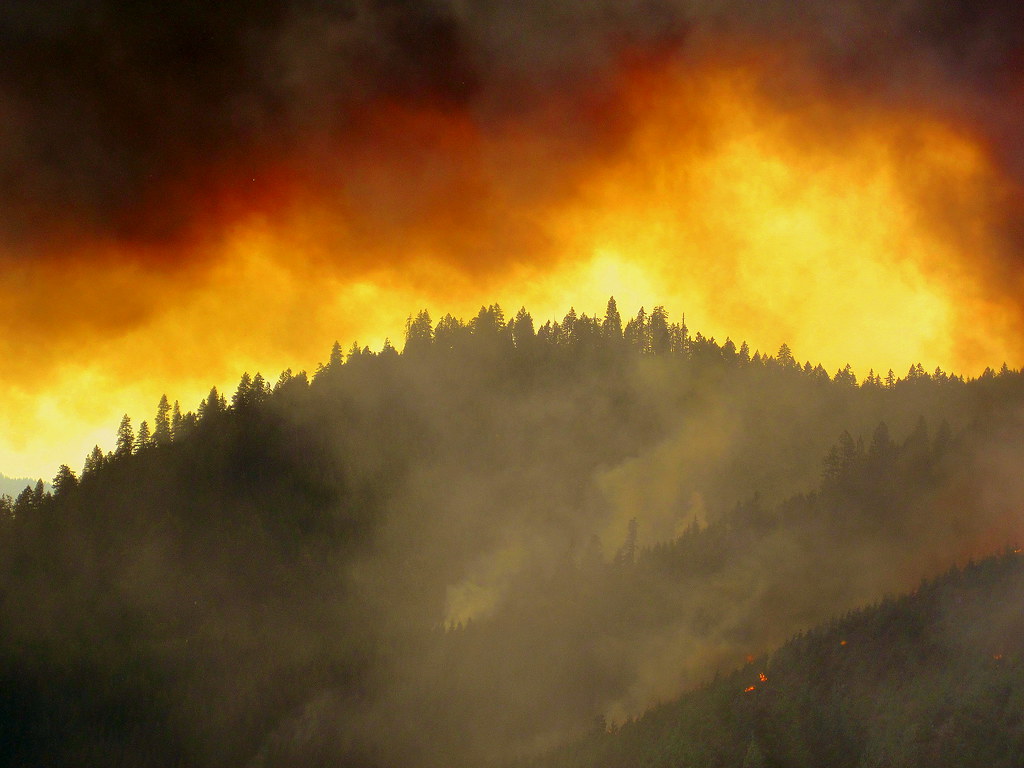
Wildfire Smoke Impact & Restoration — Eagle Mountain
- Recovery resources and next steps
- Insurance claim guidance
- Lessons learned for future prevention
- Professional restoration support
Every hour smoke residue sits, it penetrates deeper into porous materials — making professional cleanup harder and more expensive.
Live Conditions
Real-time weather radar for Utah
Wildfire Smoke Damage Cleanup Guide for Eagle Mountain Homeowners
Eagle Mountain has experienced smoke impacts from regional wildfires, including events like the Bonneville Fire near the University of Utah campus and the Iron Fire in Juab County. Due to Eagle Mountain's geography at the convergence of Utah County and the Salt Lake Valley, homes in the area are particularly vulnerable when wildfires burn in either direction — wind patterns can carry smoke from multiple sources simultaneously, increasing both particulate concentration and duration of exposure.
This guide covers what smoke damage actually does to a home, what homeowners can do immediately after an event, and when to call a professional restoration team.
If your home was affected by wildfire smoke, DRT is available 24/7: 385-287-6344
Why Wildfire Smoke Penetrates Homes More Than Most Homeowners Expect
Many homeowners who kept their windows closed during a smoke event are surprised to find visible residue or persistent odors inside their homes afterward. The reason is almost always the HVAC system. Air conditioning systems draw in outdoor air and distribute it through every room in the house — and standard filters are not designed to stop wildfire smoke particles, which typically range from 0.4 to 0.7 microns in size.
- HVAC intake pulled contaminated outdoor air inside — standard filters rated MERV 8 to 11 allow wildfire smoke particles to pass through freely
- Ductwork became a contamination reservoir — soot settled inside ducts, on coils, and in the blower assembly, where it continued to circulate long after outdoor air quality improved
- Every supply vent distributed particles throughout the home — smoke residue settled on walls, furniture, carpet, clothing, and electronics in every room
The Real Damage Behind the Smell
A persistent smoke odor is a symptom, not the full picture. Wildfire smoke leaves behind several categories of damage that worsen over time if not addressed:
- Embedded soot particles — penetrate drywall, carpet fibers, upholstery, and wood grain, causing permanent discoloration and material degradation if not removed using professional dry-cleaning methods first
- VOCs and carcinogens — compounds including formaldehyde, benzene, and polycyclic aromatic hydrocarbons (PAHs) off-gas from contaminated surfaces for weeks after initial exposure
- Acidic soot residue — etches glass surfaces, corrodes metal fixtures, and damages electronics; this process begins within 24 to 72 hours of initial deposition
- Health effects — respiratory irritation, aggravated asthma, and headaches are common; risk is highest for children, elderly individuals, and pregnant women
Immediate Steps After a Smoke Event: What Eagle Mountain Homeowners Should Do
If your home was exposed to wildfire smoke, these steps minimize further damage while you assess the situation:
- Replace your HVAC filter immediately — install the highest MERV rating your system supports; MERV 13 or higher is recommended for smoke events
- Run HEPA air purifiers in bedrooms and primary living spaces to reduce airborne particle load
- Do NOT vacuum with a standard vacuum cleaner — standard vacuums recirculate fine soot particles back into the air; use only HEPA-filtered vacuums on affected surfaces
- Do NOT wipe soot with a wet cloth or water — moisture drives soot deeper into porous materials, making professional removal significantly harder and sometimes impossible
- Keep windows and exterior doors closed until outdoor air quality has fully recovered; seal gaps under doors with towels during active smoke conditions
- Photograph all visible soot, residue, and damage before any cleaning begins — this documentation is critical for insurance claims
Lessons Learned from Eagle Mountain Smoke Events
Homeowners who have gone through the remediation process after wildfire smoke events consistently report the same surprises. These are the most common:
- The HVAC system was the primary entry point, not open windows. Homes that were "sealed up" often had significant contamination concentrated in ductwork and on surfaces near supply vents.
- Waiting made the damage worse. Acidic soot residue that had not been removed within the first few days had already begun etching glass and corroding metal surfaces.
- DIY cleaning spread the contamination. Homeowners who vacuumed or wiped surfaces before professional assessment frequently drove soot deeper into carpet fibers and drywall, increasing the scope and cost of remediation.
- Insurance covered more than expected. Most standard homeowner policies cover wildfire smoke damage even without direct fire contact to the property — and claims can be filed before fires in the region are fully contained.
- The smell came back. Homes that were cleaned without full duct decontamination and odor treatment (ozone or hydroxyl) often experienced recurring smoke odor when the HVAC system ran, requiring a second round of professional work.
Professional Smoke Damage Restoration: What DRT Does
The Disaster Repair Team provides full-scope wildfire smoke remediation for Eagle Mountain homes and businesses. Professional restoration goes beyond what surface cleaning and air purifiers can address, particularly when HVAC contamination is involved.
- Air quality testing and contamination assessment
- Industrial-grade HEPA air scrubbing
- Full HVAC duct cleaning and decontamination
- Surface decontamination using professional dry-sponge and wet-cleaning methods in proper sequence
- Ozone and hydroxyl treatment for embedded odors
- Contents cleaning — clothing, electronics, documents, and personal items
- Insurance documentation and direct coordination with adjusters
Most standard homeowner policies cover wildfire smoke damage even without direct fire contact to the structure. You do not need to wait for a fire to be fully contained to begin the claims process — and starting sooner reduces the total damage.
Get a Free Smoke Damage Assessment
If your Eagle Mountain home was exposed to wildfire smoke and you are not sure whether professional remediation is needed, DRT offers free assessments to help you understand what you are dealing with before committing to anything.
Call DRT anytime — 24/7: 385-287-6344
Smoke damage from a covered fire event is included in your homeowner's policy. Standalone smoke damage (e.g., from a neighbor's fire) may also be covered. DRT's documentation of air quality readings and affected surfaces helps establish the full scope of your claim.
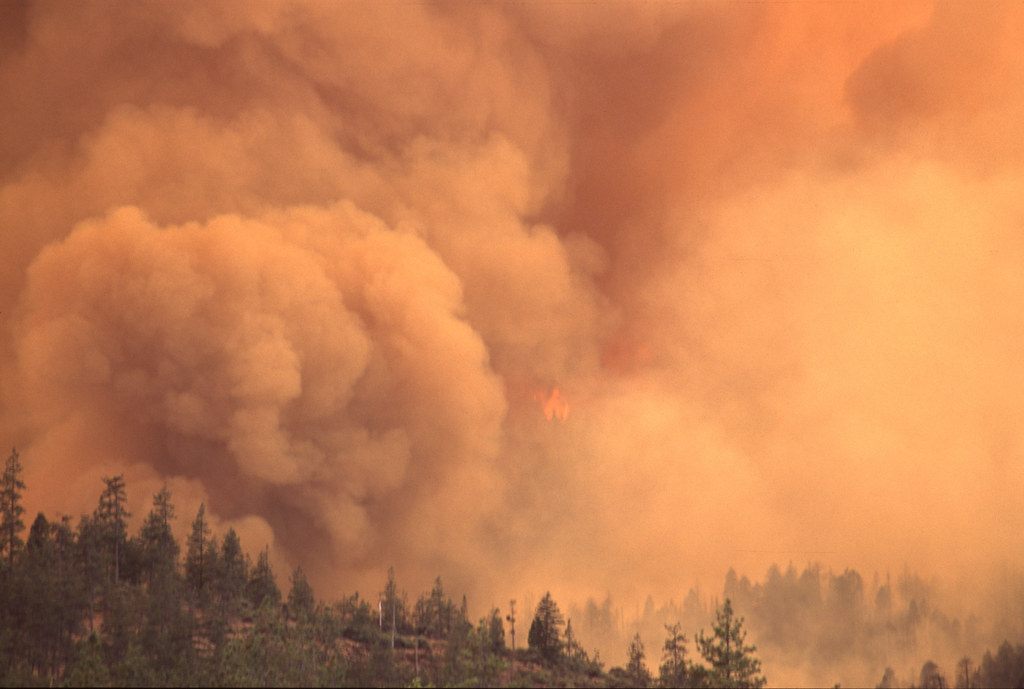
Frequently Asked Questions
Can I clean smoke damage myself?
How long does smoke smell last without treatment?
Is smoke residue dangerous to health?
How quickly can DRT respond?
Do I need to file my insurance claim before calling DRT?
DRT serves Eagle Mountain and surrounding areas. View our full Eagle Mountain service area page for more about our restoration services in your area, or browse all service areas.
Need Help Now?
The Disaster Repair Team provides 24/7 emergency restoration services across Utah.
Request Help Online