Wildfire Smoke Damage Restoration — Salt Lake City
- Recovery resources and next steps
- Insurance claim guidance
- Lessons learned for future prevention
- Professional restoration support
Every hour smoke residue sits, it penetrates deeper into porous materials — making professional cleanup harder and more expensive.
Live Conditions
Real-time weather radar for Utah
Wildfire Smoke Damage: A Recovery Guide for Salt Lake City Homeowners
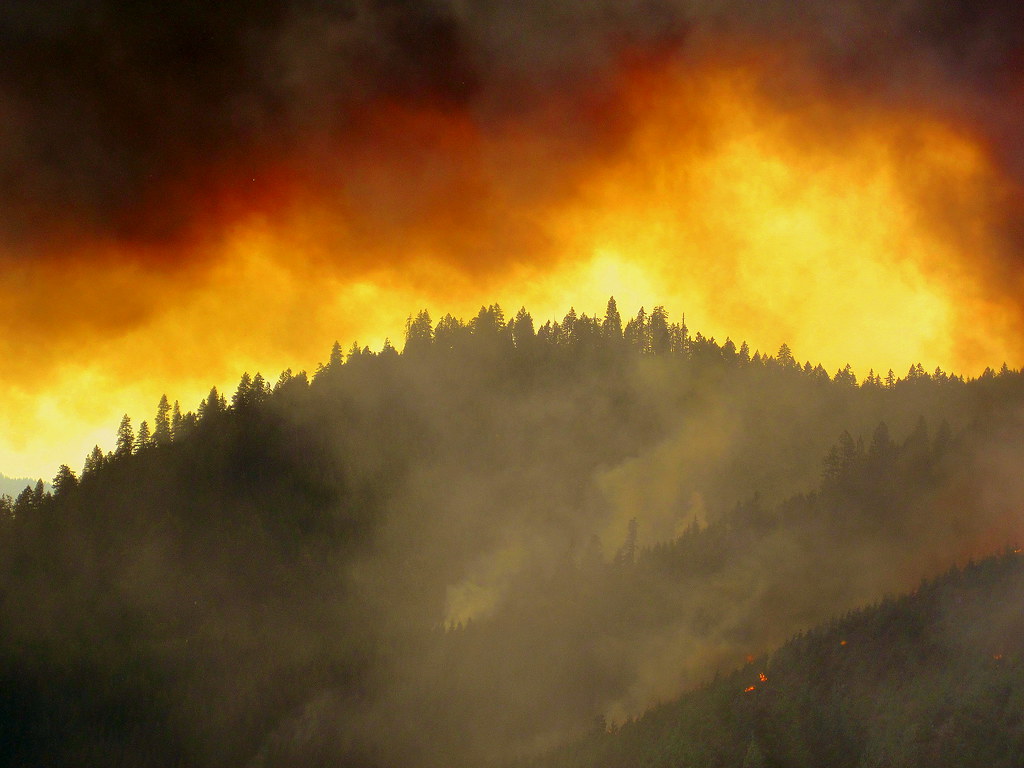
When wildfire smoke moves through the Salt Lake Valley — as it does most summers from fires burning in the Wasatch foothills and surrounding region — it leaves behind more than an unpleasant smell. Smoke infiltrates homes in ways most homeowners don't expect, and the resulting damage is real, measurable, and often invisible to the naked eye. This guide explains how smoke damage happens, what to do after exposure, and when to call a professional restoration team.
If your home has been affected by wildfire smoke, call DRT for a free assessment: 385-287-6344 — 24/7
How Wildfire Smoke Gets Inside Your Home
Many homeowners assumed that closing windows and doors was sufficient protection during a smoke event. In most cases, it was not. Here's why smoke still entered:
- HVAC systems drew in contaminated outdoor air. Even with windows closed, air conditioning systems pull in outdoor air through their intake. Standard HVAC filters rated MERV 8–11 cannot capture the ultrafine particles in wildfire smoke, which measure as small as 0.4 to 0.7 microns.
- Smoke entered through every gap. Electrical outlets, plumbing penetrations, attic vents, dryer vents, bathroom exhaust fans, and gaps around doors and windows all allowed smoke infiltration during elevated smoke events.
- Ductwork distributed smoke throughout the home. Once smoke particles entered the HVAC system, they were blown into every room, settling inside ducts, on coils, and in the blower assembly — creating a long-term contamination source that persists well after outdoor air quality improves.
Smoke Damage Is More Than a Smell
The most dangerous misconception about wildfire smoke exposure is that if the smell fades, the problem is resolved. The odor is only the most obvious symptom. The real damage is largely invisible:
- Microscopic soot particles — 100 times smaller than a grain of sand — embedded into porous surfaces including drywall, carpet, upholstery, clothing, wood finishes, and insulation. Without professional removal, these particles cause permanent discoloration and material degradation over time.
- Volatile organic compounds (VOCs) — toxic chemicals released when vegetation, structures, and synthetic materials burned. These off-gas from contaminated surfaces for weeks or months after the initial exposure.
- Carcinogenic compounds — wildfire smoke contains formaldehyde, benzene, acrolein, and polycyclic aromatic hydrocarbons (PAHs). Extended exposure increases health risk, particularly for children and the elderly.
- Acidic residue — smoke deposited acidic soot that can etch glass, corrode metals, and permanently damage electronics. This type of damage accelerates significantly if surfaces are not cleaned within 24–72 hours of exposure.
- Health impacts — respiratory irritation, headaches, eye irritation, aggravated asthma, and cardiovascular stress are common short-term effects. Children, elderly individuals, pregnant women, and those with existing respiratory conditions face the greatest risk.
Immediate Steps to Take After Smoke Exposure
If your home was exposed to heavy wildfire smoke, these are the most important actions to take as soon as conditions allow:
- Change your HVAC filter. Replace it with the highest MERV rating your system supports — MERV 13 or higher if possible. A filter loaded with smoke particulate continues to recirculate contamination every time the system runs.
- Run portable HEPA air purifiers in bedrooms and main living areas. True HEPA filters capture particles down to 0.3 microns and are the most effective consumer-grade option for improving indoor air quality after smoke exposure.
- Do not use a regular vacuum. Standard vacuums exhaust ultrafine soot particles back into the air. Only HEPA-filtered vacuums should be used on smoke-contaminated surfaces.
- Do not wipe down surfaces with water alone. Wet wiping can smear soot into porous materials and permanently set stains. Professional dry-cleaning methods should be performed first.
- Document everything. Photograph and video all visible soot, residue, discoloration, and affected areas. This documentation is critical for insurance claims and for guiding professional restoration work.
Signs Your Home Needs Professional Smoke Damage Restoration
Contact DRT if any of the following were present after a smoke event:
- A persistent smoke smell inside the home, even with windows closed
- A gray or yellowish film on windows, countertops, or light-colored surfaces
- An HVAC system that continued to circulate a smoky smell after outdoor air quality improved
- Household members who experienced respiratory symptoms, headaches, or eye irritation while indoors
- Your home is located in an area historically affected by smoke from the Wasatch foothills — including the Avenues, Capitol Hill, Federal Heights, Foothill, and the east bench communities near the University of Utah
How DRT Restores Smoke-Damaged Homes
DRT uses a comprehensive, systematic process to fully decontaminate homes affected by wildfire smoke. Restoration is not complete until both particulate and chemical contamination have been addressed:
- Air quality testing — particulate levels, VOC concentrations, and contamination extent are measured before any work begins, establishing a baseline and guiding the scope of restoration.
- HEPA air scrubbing — industrial air scrubbers run continuously throughout the restoration process to remove airborne particles from the living environment.
- HVAC decontamination — full duct cleaning, coil cleaning, blower cleaning, and filter replacement. The HVAC system is the primary distribution pathway for smoke particles and must be fully decontaminated for restoration to be effective.
- Surface decontamination — professional dry sponge cleaning, chemical sponge treatment, and targeted wet cleaning where appropriate. Different surface types require different techniques.
- Ozone and hydroxyl treatment — advanced oxidation technology breaks down VOCs and eliminates embedded odors at the molecular level, addressing contamination that surface cleaning alone cannot reach.
- Contents cleaning — clothing, textiles, electronics, documents, and personal items are cleaned or restored using specialized techniques appropriate to each material type.
- Insurance coordination — DRT documents all contamination and work performed, communicates directly with your adjuster, and helps maximize your claim throughout the process.
Does Insurance Cover Wildfire Smoke Damage?
Most standard homeowner insurance policies cover smoke damage from wildfires, even when a home was not directly in the fire zone. Smoke is considered a covered peril under most policies, and homeowners do not need to wait for a fire to be fully contained to file a claim. DRT works directly with insurance companies to coordinate documentation and the claims process on behalf of homeowners.
Ready to start your assessment? Call DRT anytime: 385-287-6344 — 24/7
Lessons Learned From Salt Lake Valley Smoke Events
Recurring wildfire seasons in Utah have revealed consistent patterns that Salt Lake City homeowners can use to be better prepared before the next smoke event:
- HVAC preparation matters most. Homes with MERV 13+ filters already installed before smoke arrived experienced significantly lower interior particulate levels. Upgrading your filter before fire season begins is one of the highest-value protective steps available.
- The 24–72 hour window is real. Homes where professional cleaning began within the first three days of smoke exposure consistently showed better outcomes — less permanent staining, less embedded odor, and lower VOC off-gassing — than those where remediation was delayed by weeks.
- Smell alone is not a reliable damage indicator. Homeowners who waited until the smell disappeared before seeking assessment often discovered that soot and VOC contamination remained at levels requiring professional remediation. Air quality testing is the only reliable measure.
- Contents are frequently overlooked. Soft goods — clothing, bedding, upholstered furniture — absorbed smoke contamination at rates that surprised most homeowners. Professional contents cleaning recovered items that many assumed were total losses.
- Insurance claims require documentation from the start. Homeowners who photographed and documented damage before any cleaning was attempted had significantly smoother claims experiences than those who began cleaning first and documented afterward.
- East bench and Avenues homes face elevated risk. Proximity to the Wasatch foothills means these neighborhoods experience smoke infiltration earlier and at higher concentrations during local fire events. Homeowners in these areas benefit from having a restoration contact identified before smoke season arrives.
DRT serves Salt Lake City and the surrounding Wasatch Front communities. Free smoke damage assessments available 24/7: 385-287-6344
Smoke damage from a covered fire event is included in your homeowner's policy. Standalone smoke damage (e.g., from a neighbor's fire) may also be covered. DRT's documentation of air quality readings and affected surfaces helps establish the full scope of your claim.
Frequently Asked Questions
Can I clean smoke damage myself?
How long does smoke smell last without treatment?
Is smoke residue dangerous to health?
How quickly can DRT respond?
Do I need to file my insurance claim before calling DRT?
DRT serves Salt Lake City and surrounding areas. View our full Salt Lake City service area page for more about our restoration services in your area, or browse all service areas.
Need Help Now?
The Disaster Repair Team provides 24/7 emergency restoration services across Utah.
Request Help Online