Emergency Flood & Water Damage Restoration — Beaver, Utah
- Recovery resources and next steps
- Insurance claim guidance
- Lessons learned for future prevention
- Professional restoration support
Mold can start growing within 24–48 hours of water exposure. Fast extraction and drying dramatically reduce secondary damage and health risks.
Live Conditions
Real-time weather radar for Utah
How DRT Helped Beaver Recover from the July 2026 Flash Flood Emergency
Serving Beaver, Milford, and Minersville — A Case Study & Recovery Resource
In July 2026, debris flows from the Cottonwood Fire burn scar sent floodwater and sediment surging into Beaver City, damaging approximately 80 homes and forcing the evacuation of the Grove neighborhood. The Disaster Repair Team responded immediately — and stayed until the work was done. This page documents what happened, what we learned, and what any homeowner should know if they face similar flooding in the future.
If you're dealing with flood or water damage right now, we're still here. Call 24/7: 435-619-9594
What Happened: The July 2026 Beaver City Flood
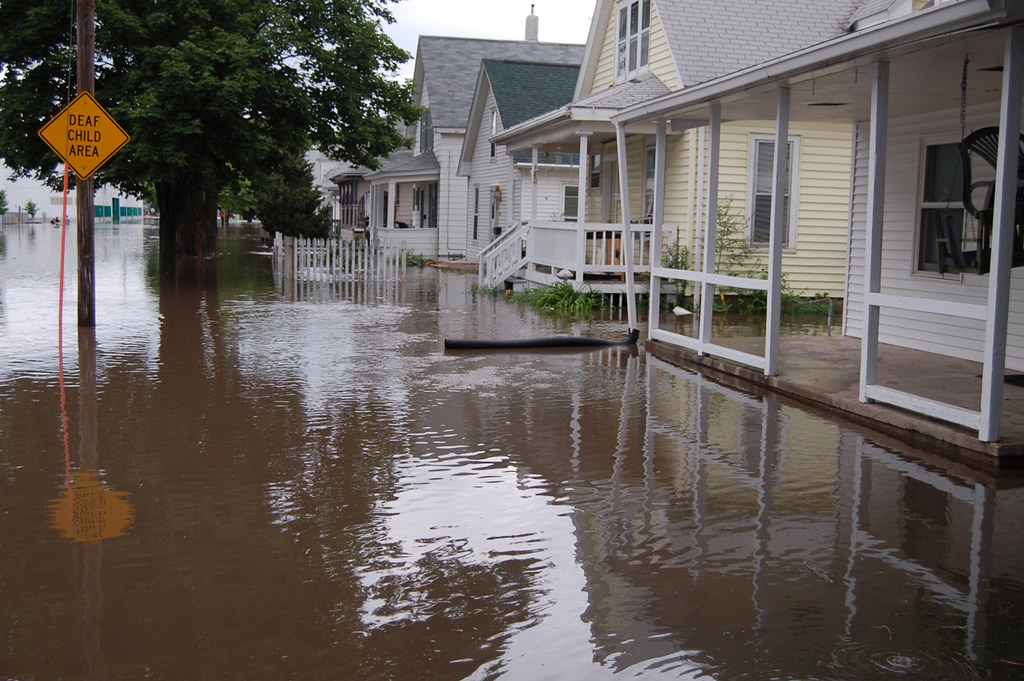
On July 19, 2026, a debris flow moved down Beaver Canyon and directly into Beaver City, flooding streets, homes, and commercial properties throughout the area. I-15 was closed at mileposts 109–112. SR-153 through Beaver Canyon was shut down indefinitely. A boil water notice was issued for affected areas, and Beaver County declared a state of emergency. When additional rains hit the burn scar on July 21, a second round of evacuations became necessary, compounding the damage many residents were already facing.
Burn scar runoff is not ordinary floodwater. It carried ash, sediment, and contaminants into homes — materials that require specialized cleanup to prevent long-term mold growth, structural deterioration, and serious health hazards. A shop vac and box fans were never going to be enough.
DRT mobilized across Beaver County within hours of the initial event and remained active in the community through the full recovery period, providing water extraction, structural drying, mud and debris removal, mold prevention treatment, and complete reconstruction services.
What to Do After Your Home Is Flooded
Whether you experienced the 2026 event or are navigating a new emergency, these steps apply every time:
- Wait for the official all-clear before re-entering any home that was under an evacuation order
- Do not drink tap water until local authorities have confirmed it is safe — boil water notices can remain active for days after flooding recedes
- Photograph all visible damage thoroughly before touching, moving, or discarding anything
- Contact your insurance company as soon as possible to open a claim and establish a record
- Call a professional restoration team — burn scar debris, mud, and contaminated floodwater require specialized equipment and treatment, not DIY cleanup
- Call DRT: 435-619-9594
Lessons Learned: What the July 2026 Flood Taught Us
Having worked through one of the worst flood events in recent Beaver County history, DRT came away with hard-won knowledge that shapes how we respond to every job today.
- Burn scar flooding is a different category of disaster. Post-wildfire debris flows deposit layers of ash and toxic sediment that bond to surfaces, contaminate subfloor materials, and create mold-friendly conditions faster than typical floodwater. Standard water damage protocols are not sufficient — we adapted our process specifically for burn scar runoff during the 2026 response.
- Speed matters more than almost anything else. Homes that were dried and treated within the first 48–72 hours had dramatically better outcomes than those where cleanup was delayed. Mold can establish itself quickly in saturated walls and subfloors, especially in summer heat.
- Documentation protects homeowners. Residents who photographed damage thoroughly before cleanup began had smoother, faster insurance claims. Those who started cleaning up on their own — understandably — sometimes lost documentation they needed later.
- Insurance coordination is part of the job. We worked directly with adjusters throughout the 2026 recovery. Knowing how to communicate damage scope and remediation requirements in terms insurers recognize made a meaningful difference for Beaver City homeowners.
- Community preparedness shortens recovery time. Neighbors who knew to call a professional restoration team early — rather than attempting cleanup alone — were back in their homes sooner. Word spread fast in 2026 about what worked and what didn't.
DRT Water Damage & Flood Restoration Services — Beaver, Milford, Minersville
DRT has been through this before. We know Beaver County, we know what burn scar flooding does to local homes, and we know how to work with every major insurance carrier to get the process moving quickly. Our services include:
- Emergency water extraction
- Structural drying and moisture mapping
- Mud, ash, and debris removal
- Mold prevention and remediation
- Full structural reconstruction
- Insurance documentation and adjuster coordination
We serve Beaver, Milford, Minersville, and the surrounding areas of Beaver County. If your home or property has been damaged by flooding — now or in the future — call the team that has already helped this community rebuild once before.
Available 24/7. Call DRT: 435-619-9594
```Most homeowner policies cover sudden water damage (burst pipes, appliance failures). Natural flooding typically requires separate flood insurance. Either way, DRT documents everything from day one — moisture readings, photos, scope of work — so your claim is supported whether it goes through your standard policy or a flood policy.
Frequently Asked Questions
How quickly does mold grow after flooding?
Will my homeowner's insurance cover flood damage restoration?
What should I NOT do after my home floods?
How quickly can DRT respond?
Do I need to file my insurance claim before calling DRT?
DRT serves Beaver and surrounding areas. View our full Beaver service area page for more about our restoration services in your area, or browse all service areas.
Need Help Now?
The Disaster Repair Team provides 24/7 emergency restoration services across Utah.
Request Help Online