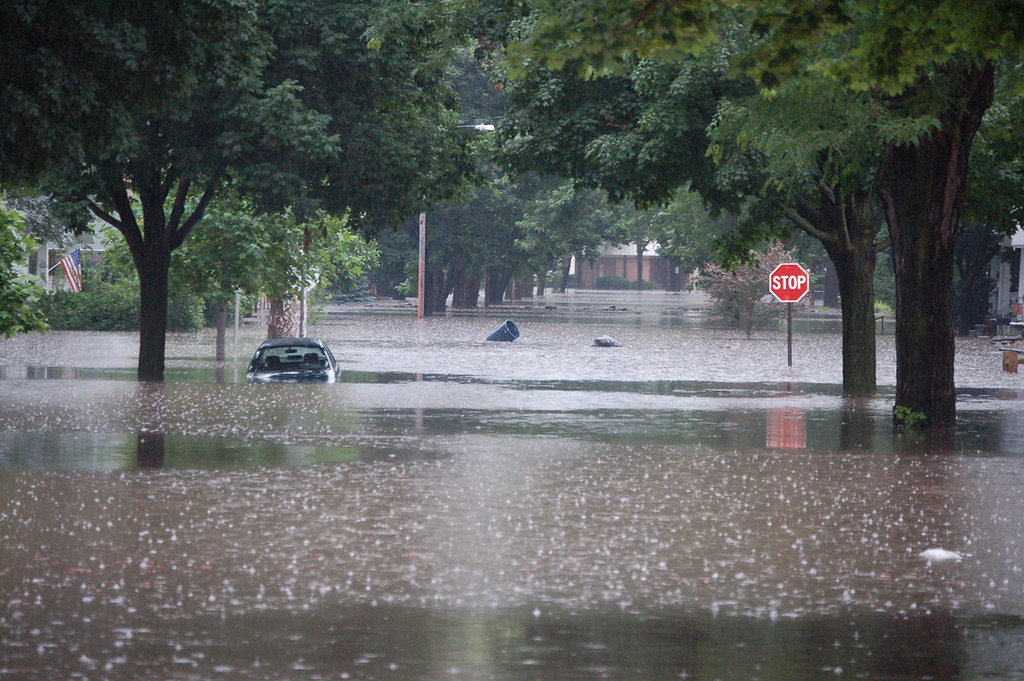
July 2026 Flash Flood Emergency — Beaver, Milford, Minersville
- Recovery resources and next steps
- Insurance claim guidance
- Lessons learned for future prevention
- Professional restoration support
Mold can start growing within 24–48 hours of water exposure. Fast extraction and drying dramatically reduce secondary damage and health risks.
Live Conditions
Real-time weather radar for Utah
- Do NOT stand in water near electrical outlets or appliances
- Shut off main water supply if the source is a pipe or appliance
- Turn off electricity to affected areas at the breaker — only if safe to reach
- Do NOT use household vacuums on standing water
- Move to higher ground if water is rising rapidly
How DRT Helped Utah Recover from the July 2026 Flash Flood Emergency
A Recovery Case Study: Beaver, Milford & Minersville, Utah
When the Cottonwood Fire burn scar above Beaver Canyon triggered catastrophic debris flows in July 2026, the Disaster Repair Team was on the ground serving Beaver County homeowners from day one. This page documents what happened, how we helped, and what every Beaver County property owner should know if flooding strikes again.
Experienced local restoration — call anytime, 24/7: 435-619-9594
What Happened: The July 2026 Beaver Canyon Flood Event
On July 19, 2026, heavy monsoon rain fell over the Cottonwood Fire burn scar above Beaver Canyon. Because a burn scar strips hillsides of vegetation and seals the soil, water could not absorb — it ran straight downhill, picking up ash, rocks, and charred debris along the way. A massive debris flow moved down Beaver Canyon into the city, flooding the Grove neighborhood, forcing widespread evacuations, and temporarily closing I-15 in both directions.
A second debris flow event followed on July 21, triggering additional evacuation orders. By the time the immediate crisis had passed, SR-153 through Beaver Canyon had been closed indefinitely with multiple sections of road completely washed out. Approximately 80 homes had been impacted, and Beaver County had declared a state of emergency.
DRT crews were deployed throughout this period, working across Beaver City, Milford, and Minersville to assess damage and begin restoration as soon as properties were cleared for re-entry.
Why Burn Scar Flooding Is Different — And More Dangerous
Normal flood damage is serious enough. Burn scar flooding is worse. The debris that entered homes during the July 2026 event was not just water — it was a mixture of ash, charred wood, rocks, and contaminated runoff. Our crews encountered all of the following across affected properties:
- Foundations and subfloors buried under heavy sediment
- Contaminated water lines and compromised well systems
- Toxic ash residue deposited throughout flooring, walls, and HVAC systems
- Hidden structural damage that was not visible on the surface
- Mold growth that began within 24–48 hours in homes that were not dried promptly
Understanding this distinction shaped every decision we made during the response — and it should shape how you respond if your property is ever affected by a similar event.
What to Do After a Flash Flood or Debris Flow
Based on what we learned during the July 2026 response, here is the practical guidance we give every Beaver County homeowner following a flooding event:
- Do not return to an evacuated home until local officials have issued a formal all-clear
- Do not drink tap water — confirm with Beaver City whether a boil water notice is in effect and follow all utility guidance before resuming normal use
- Document all damage first — photograph and video everything before touching, moving, or cleaning anything
- Contact your insurance company as early as possible to open a claim and understand your coverage
- Call DRT for an emergency assessment — the faster structural drying begins, the lower your risk of secondary mold damage
How Disaster Repair Team Responded — And What We Provide
During the July 2026 event, DRT provided 24/7 emergency flood restoration across Beaver County, including Beaver City, Milford, and Minersville. We mobilized same-day assessments, coordinated directly with insurance adjusters, and managed each property from initial extraction through full reconstruction. Our services included — and continue to include:
- Emergency water extraction and structural drying
- Mud, sediment, and debris removal
- Ash and contaminant cleanup
- Mold prevention treatment
- Structural damage assessment
- Full reconstruction and insurance coordination
We work directly with your insurance company and can mobilize immediately. Call us now: 435-619-9594
Lessons Learned: What the July 2026 Event Taught Us
Having worked through one of the most significant flooding events in recent Beaver County history, our team came away with hard-won insights that now inform everything we do:
- Burn scar risk does not end with the fire. The Cottonwood Fire created a years-long flood hazard above Beaver Canyon. Property owners in the watershed should treat each monsoon season as a period of elevated risk until vegetation fully recovers.
- The first 24–48 hours are critical. Homes that received prompt water extraction and structural drying had dramatically better outcomes than those where remediation was delayed, even by a single day. Mold and secondary damage accelerate fast in Utah's summer heat.
- Ash contamination requires specialized handling. Burn scar debris flows are not standard flood events. The ash and toxin load requires different remediation protocols than typical water damage — general contractors without specific experience can miss critical steps.
- Documentation protects your claim. Homeowners who photographed damage before any cleanup was done had smoother, faster insurance resolutions. Those who cleaned up first sometimes faced disputes over the original scope of damage.
- Insurance coordination matters from day one. DRT's ability to work directly with adjusters — speaking the same documentation language — helped many Beaver County families avoid delays and coverage gaps during the recovery process.
- Community preparedness reduces individual loss. Neighbors who had emergency contacts ready, knew their insurance policy details, and understood their evacuation zones recovered faster. We encourage all Beaver County residents in flood-prone areas to prepare before the next monsoon season begins.
Beaver County's Local Restoration Team — Ready When You Need Us
DRT has deep roots in Beaver County and the surrounding communities. We were here during the July 2026 emergency, and we will be here for whatever comes next. If your home or property has been affected by flooding — whether from a burn scar event, a monsoon storm, a pipe failure, or any other source — our team is available around the clock.
Call 24/7: 435-619-9594
We serve Beaver City, Milford, Minersville, and all of Beaver County, Utah. Same-day response. Direct insurance coordination. Local team that knows this community.
```Affected Areas
Select a city for location-specific emergency information and restoration resources.
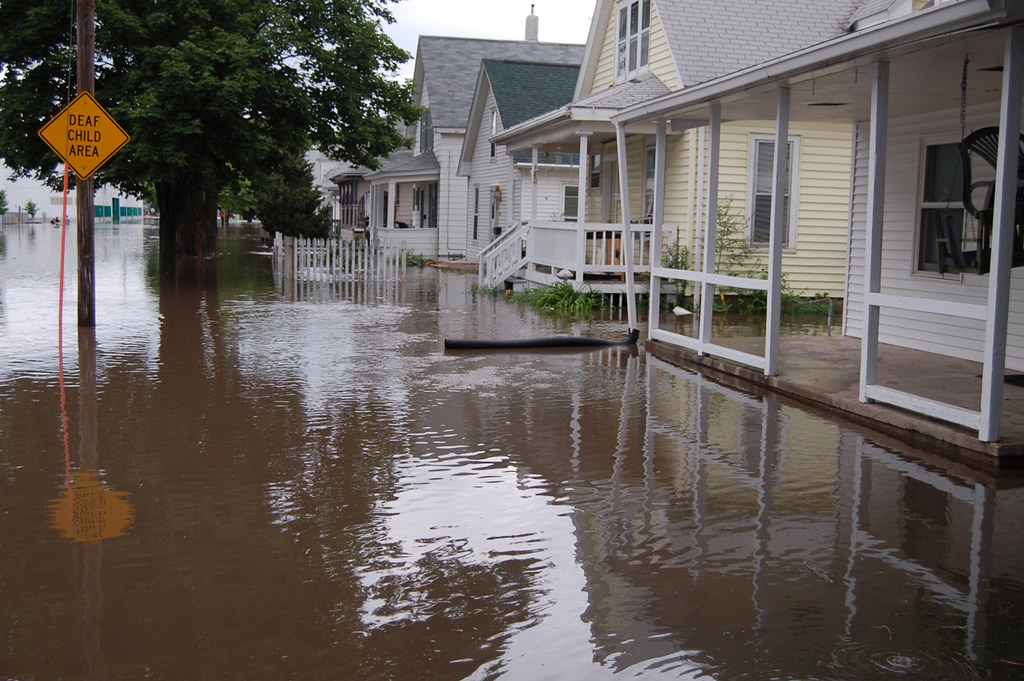
What to Expect When You Call
Here's how DRT responds to emergency calls:
Need Help Now?
The Disaster Repair Team provides 24/7 emergency restoration services across Utah.
Request Help Online