Emergency Flood & Water Damage Restoration — Junction, Utah
- Recovery resources and next steps
- Insurance claim guidance
- Lessons learned for future prevention
- Professional restoration support
Mold can start growing within 24–48 hours of water exposure. Fast extraction and drying dramatically reduce secondary damage and health risks.
Live Conditions
Real-time weather radar for Utah
How DRT Helped Junction Recover from the July 2026 Flash Flood Emergency
A Recovery Case Study & Resource Guide for Beaver, Milford, Minersville, and Piute County
In July 2026, the National Weather Service issued flash flood warnings for Piute County tied to the Cottonwood Fire burn scar. Monsoon storms sent debris flows racing down the Beaver River corridor, damaging homes across the region. Beaver County declared a state of emergency after debris flows damaged more than 80 homes and closed SR-153 indefinitely. Junction and surrounding communities faced some of the worst conditions — and the Disaster Repair Team was there.
This page documents what happened, what homeowners needed to do in the aftermath, and what we all learned. If your property was affected — or if you're facing a similar situation now — the information and contacts below still apply.
Call 24/7: 435-619-9594
What Happened: The July 2026 Flash Flood Event
The Cottonwood Fire burn scar dramatically increased runoff and debris flow risk across Piute County. When the monsoon storms arrived, water that would normally have been absorbed by vegetation instead carried mud, ash, and debris at high velocity down established drainages. The Beaver River corridor through Piute County bore the brunt of repeated surge events throughout the monsoon season.
Homes in Junction and surrounding communities experienced:
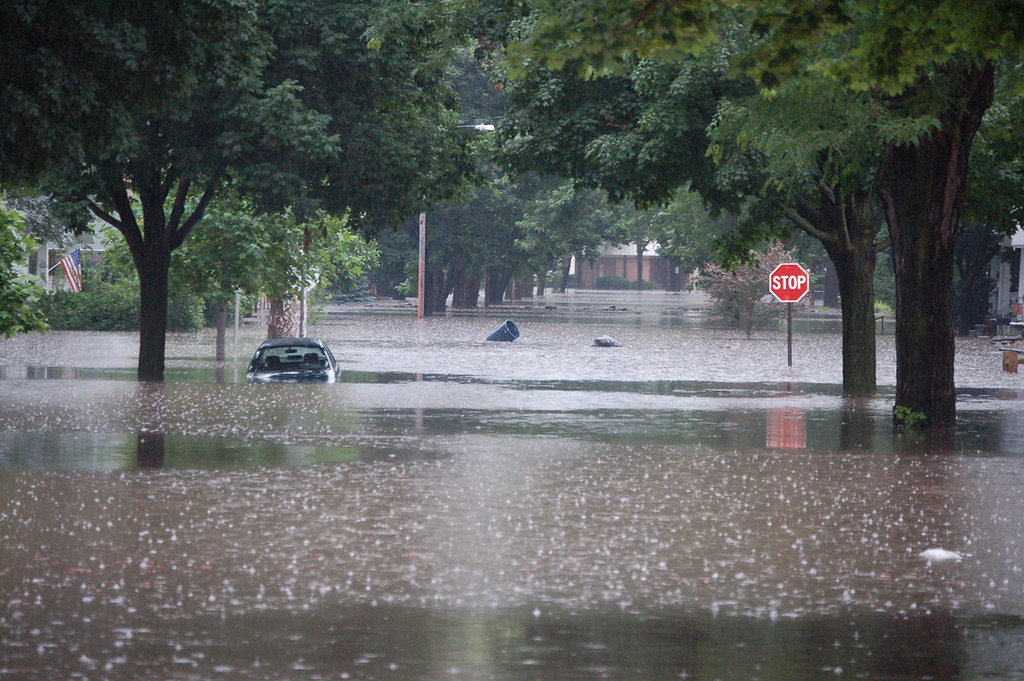
- Rapid inundation with mud-laden floodwater
- Structural debris impact damage
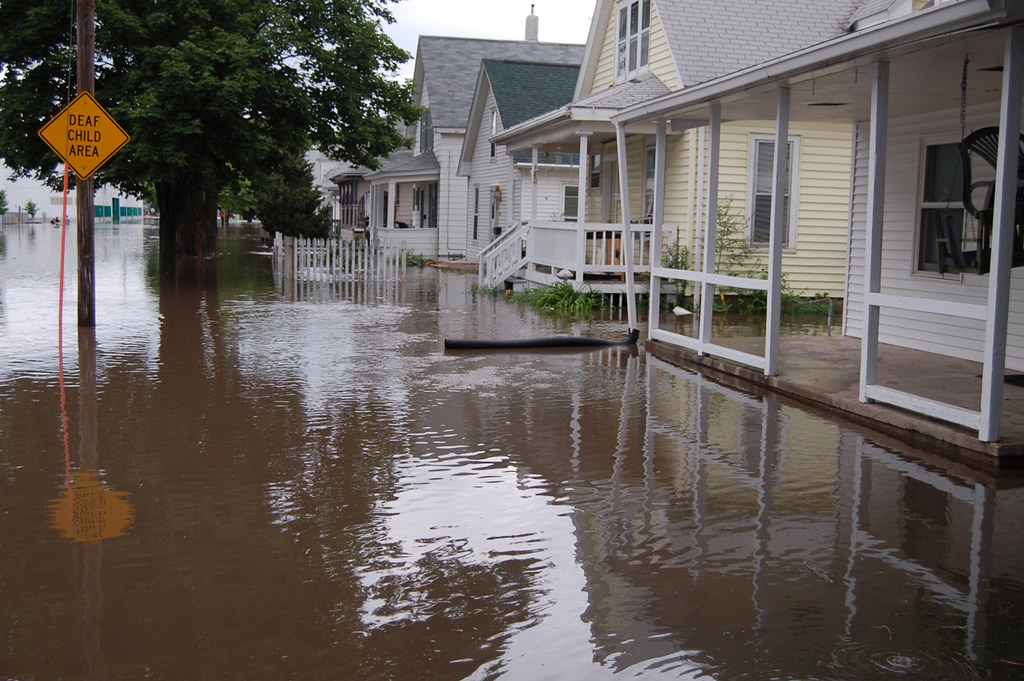
- Contaminated water infiltration into crawl spaces, basements, and living areas
- Road closures that initially slowed access for residents and contractors alike
What Homeowners Needed to Do After the Flooding — And Still Do
Whether you experienced flooding in 2026 or are dealing with a new event today, the steps for protecting your home and your claim remain the same. Here is what we advised — and what worked:
1. Prioritize Safety Before Re-Entry
Floodwater from burn scar events carries contaminants, including ash residue, sediment, and potentially hazardous materials. Before re-entering a flooded structure, it was — and still is — essential to confirm that the building was structurally sound and that utilities had been safely shut off. When in doubt, wait for a professional assessment.
2. Document Everything Before Cleanup Begins
Homeowners who documented damage thoroughly with photos and video before touching anything were in a significantly stronger position when filing insurance claims. This meant photographing every affected room, every item of damaged contents, and the exterior perimeter — including any visible debris impact or foundation issues.
3. Begin Water Extraction and Drying Immediately
The window for preventing secondary mold damage was narrow — typically 24 to 72 hours after initial flooding. Homeowners who waited more than a few days to begin professional extraction and structural drying faced significantly greater remediation costs and timelines. Speed mattered more than almost any other factor.
4. Do Not Attempt to Remove Mud and Debris Without Proper Equipment
Burn scar debris flows deposited compacted, contaminated sediment that was difficult and dangerous to remove without professional equipment. Attempting to shovel out wet debris without proper drying protocols in place often pushed moisture deeper into subfloor assemblies and wall cavities.
5. Contact Your Insurance Carrier Early and Often
DRT worked directly with insurance carriers on behalf of Junction-area homeowners throughout the 2026 recovery. Early contact with your insurer — and having a restoration contractor who could document scope professionally — made a measurable difference in claim outcomes.
If you're dealing with flood damage now: 435-619-9594
How DRT Responded
The Disaster Repair Team mobilized same-day for affected properties across Piute and Beaver Counties. Our crews handled the full scope of recovery work:
- Emergency water extraction — removing standing water and mud-laden floodwater from affected structures
- Structural drying — deploying industrial drying equipment to pull moisture from walls, subfloors, and framing before mold could establish
- Mud and debris removal — clearing and safely disposing of burn scar sediment from interiors and crawl spaces
- Mold prevention and remediation — treating affected surfaces and monitoring moisture levels throughout the drying process
- Full reconstruction — restoring damaged structures to pre-loss condition, including flooring, drywall, insulation, and structural repairs
- Insurance coordination — working directly with adjusters to document scope and support homeowner claims
We served Junction, Beaver, Milford, Minersville, and surrounding communities throughout the 2026 event — and we are still here.
Call 24/7: 435-619-9594
Lessons Learned: What the July 2026 Event Taught Us
Having worked through one of the most significant flood events in recent Piute County history, DRT and the communities we served came away with hard-won knowledge. These lessons are worth passing on.
Burn Scar Risk Persists for Years
The Cottonwood Fire burn scar did not stop being dangerous after the 2026 monsoon season. Vegetation recovery takes years, and until groundcover is re-established, debris flow risk remains elevated with every significant rainfall event. Homeowners in affected drainages should continue to treat monsoon season as a period of heightened vigilance — not a one-time emergency.
Pre-Event Preparation Made a Measurable Difference
Homeowners who had taken even basic preparedness steps — sandbags at threshold entries, documentation of pre-loss home contents, knowledge of where their main water and gas shutoffs were located — recovered faster and with fewer complications than those who had not. Simple preparation paid significant dividends.
Response Speed Was the Single Biggest Factor in Outcome
Across every property we worked on, the single most predictive factor in final restoration cost and timeline was how quickly professional drying began. Properties where extraction started within 24 hours consistently had better outcomes than comparable properties where work was delayed even by a day or two.
Community Networks Were Critical
Neighbor-to-neighbor communication — knowing who had capacity to help, who needed check-ins, which roads were passable — proved as important as any single contractor or agency response. The communities that recovered fastest were the ones that already had informal networks in place before the event hit.
Insurance Documentation Cannot Be an Afterthought
Several homeowners who attempted to begin cleanup immediately — understandably wanting to protect their properties — inadvertently complicated their insurance claims by removing or altering damage before it was properly documented. The lesson: photograph first, clean second, always.
Piute County Flood Risk Context
The Beaver River corridor through Piute County remains a documented high-risk zone for debris flows and flash flooding during monsoon season, particularly while burn scar effects persist. Adjacent Beaver County experienced emergency-level impacts in 2026 that closed SR-153 and damaged dozens of homes across Beaver, Milford, and Minersville. The infrastructure and community knowledge built during that recovery continues to benefit the region — and DRT's experience in this specific landscape means faster, more effective response when the next event occurs.
DRT Is the Local Team That Has Been Through This Before
The Disaster Repair Team is not a national franchise dispatching crews who have never seen a Utah burn scar debris flow. We worked the 2026 event from the ground up — navigating road closures, coordinating with county emergency management, and restoring homes across Piute and Beaver Counties through the full arc of the monsoon season.
We know what these events do to homes in this region. We know the specific challenges of mud-laden floodwater in older construction stock. We know the insurance carriers and the documentation they require. And we remain available 24 hours a day, every day, because flood damage does not wait for business hours.
If your property has been affected by flooding — whether from a new event or lingering damage from a prior one — call us. We've been here before. We know what to do.
Call 24/7: 435-619-9594
```Most homeowner policies cover sudden water damage (burst pipes, appliance failures). Natural flooding typically requires separate flood insurance. Either way, DRT documents everything from day one — moisture readings, photos, scope of work — so your claim is supported whether it goes through your standard policy or a flood policy.
Frequently Asked Questions
How quickly does mold grow after flooding?
Will my homeowner's insurance cover flood damage restoration?
What should I NOT do after my home floods?
How quickly can DRT respond?
Do I need to file my insurance claim before calling DRT?
DRT serves Junction and surrounding areas. View our full Junction service area page for more about our restoration services in your area, or browse all service areas.
Need Help Now?
The Disaster Repair Team provides 24/7 emergency restoration services across Utah.
Request Help Online