Emergency Flood & Water Damage Restoration — Minersville, Utah
- Recovery resources and next steps
- Insurance claim guidance
- Lessons learned for future prevention
- Professional restoration support
Mold can start growing within 24–48 hours of water exposure. Fast extraction and drying dramatically reduce secondary damage and health risks.
Live Conditions
Real-time weather radar for Utah
How DRT Helped Minersville Recover from the July 2026 Flash Flood Emergency
A Recovery Case Study & Resource Guide for Beaver, Milford, and Minersville, Utah
In July 2026, Beaver County experienced one of its most destructive flash flood events in recent memory. The Cottonwood Fire burn scar above Beaver Canyon transformed monsoon rainfall into fast-moving debris flows that tore through Minersville and surrounding communities. Beaver County declared a state of emergency, and dozens of homes and properties suffered significant flood and water damage.
The Disaster Repair Team (DRT) mobilized immediately, working alongside affected residents throughout the recovery. This page documents what happened, how DRT responded, and — most importantly — what property owners in Beaver, Milford, and Minersville can do if they ever face flooding again.
If you're dealing with water or flood damage right now, don't wait. Call DRT 24/7: 435-619-9594
What Happened: The July 2026 Beaver County Flash Flood
The Cottonwood Fire burn scar stripped hillsides above Beaver Canyon of the vegetation that normally slows and absorbs rainfall. When monsoon moisture arrived in July 2026, there was nothing to stop the water. Rainstorms that would have been manageable under normal conditions became dangerous debris flows — carrying mud, rocks, and debris rapidly downhill into residential areas.
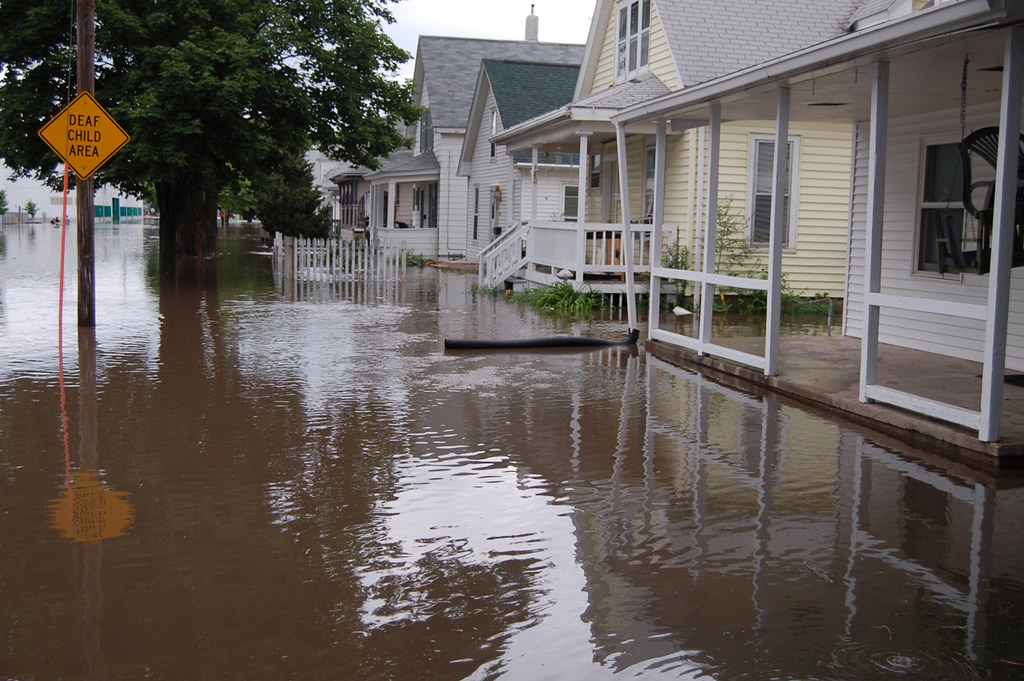
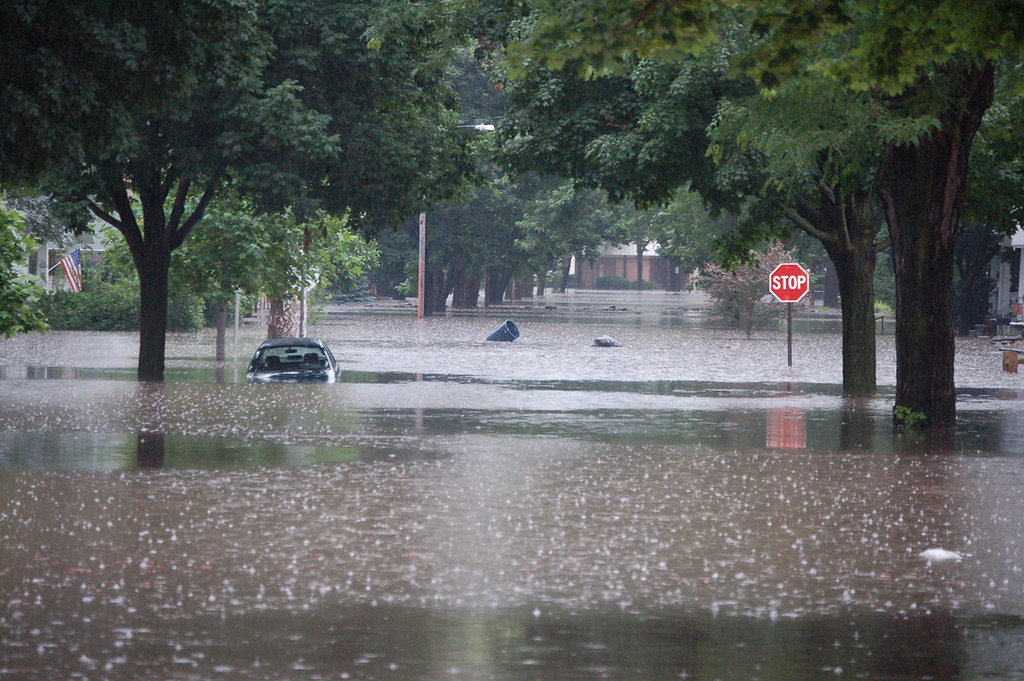
Minersville bore a significant portion of the impact. Floodwaters entered homes and structures with little warning, depositing mud and debris and leaving behind the conditions that lead to mold growth, structural compromise, and long-term damage if not addressed quickly.
How DRT Responded
DRT crews were on the ground in Minersville and the broader Beaver County area within hours of initial reports. Because burn scar flooding was an ongoing risk throughout late July 2026 — with continued monsoon moisture — DRT maintained a sustained local presence rather than a single response.
Services DRT provided during the July 2026 recovery included:
- Emergency water extraction — removing standing water from affected homes as quickly as possible to limit damage
- Structural drying — deploying industrial drying equipment to draw moisture out of walls, floors, and framing
- Mud and debris removal — clearing the sediment and debris that debris flows deposited inside and around structures
- Mold prevention treatment — applying antimicrobial treatments to suppress mold growth before it could take hold
- Full reconstruction coordination — working with homeowners and contractors to manage repairs from initial cleanup through finished restoration
- Insurance coordination — working directly with all major insurance companies to help property owners document damage and move claims forward
DRT is local, licensed, and experienced with exactly this type of event. Call anytime: 435-619-9594
What to Do After Flooding: Practical Steps for Beaver County Property Owners
Whether you're recovering from the July 2026 event or dealing with a future flood, the steps below reflect what DRT learned from working with Minersville residents on the ground. Time matters enormously — the faster you act, the less damage compounds.
1. Make Sure It's Safe to Re-Enter
Debris flow flooding can compromise structural integrity, create gas leaks, and leave behind contaminated materials. Before re-entering your property, confirm with local authorities that it has been cleared for entry.
2. Document Everything Before Touching Anything
Photograph and video every room, every damaged item, every waterline. Walk through your entire property before moving or discarding anything. This documentation is essential for insurance claims and should be done as thoroughly as possible.
3. Call Your Insurance Company
Report your claim as soon as possible. Provide your documentation. Ask specifically about coverage for debris removal, structural drying, and mold remediation — all of which were common needs following the July 2026 event.
4. Begin Water Extraction Immediately
Every hour that standing water remains in a structure increases damage to flooring, drywall, framing, and contents — and dramatically increases the risk of mold. Do not wait on this step. If you cannot reach DRT, use whatever pumps or wet-vacs are available and call us as soon as possible.
5. Do Not Rely on Fans Alone for Drying
Household fans move air but do not remove moisture from materials. Professional structural drying requires industrial dehumidifiers and air movers placed strategically throughout the structure. Surface dryness does not mean the structure is dry.
6. Watch for Mold — It Moves Fast
In warm conditions like those present during July monsoon season, mold can begin to grow within 24–48 hours of flooding. If you see or smell mold, or if drying was delayed, call DRT for a mold assessment before completing repairs.
7. Don't Discard Items Without Documenting Them First
Damaged personal property, furniture, and appliances are part of your insurance claim. Photograph everything before it goes to the curb. Keep a written inventory with estimated values.
8. Be Cautious of Mud and Debris Contamination
Debris flows carry more than dirt — they can contain sewage, agricultural runoff, and other contaminants. Materials that were submerged in debris flow mud may need to be treated as contaminated and handled accordingly.
Lessons Learned: What the July 2026 Event Taught Us About Burn Scar Flooding
DRT's experience during the July 2026 Beaver County response reinforced several important realities about burn scar flooding that every property owner in this region should understand.
Burn Scar Risk Doesn't End When the Fire Does
The Cottonwood Fire created conditions that made every subsequent rainstorm a potential disaster. Burn scars remain dangerous for years after a fire — until vegetation regrows and soil structure recovers. Property owners near burn scar terrain should treat elevated flash flood risk as an ongoing reality, not a temporary inconvenience.
Speed of Response Determined Outcomes
Across the properties DRT worked on in July 2026, the single biggest factor in limiting long-term damage was how quickly water extraction and drying began. Homeowners who called within the first few hours consistently had better outcomes — less structural damage, less mold, lower overall repair costs — than those who waited days to seek help.
Insurance Documentation Gaps Were Common
Many homeowners had not photographed their property or inventoried their belongings before the flood occurred. Post-disaster documentation is always possible, but pre-disaster records make claims significantly smoother. Consider doing a walkthrough video of your home annually and storing it in cloud backup.
Mud Is Not Just a Cleaning Problem
Debris flow mud that enters a structure is not simply a mess — it is a contamination and structural issue. Several properties required more extensive remediation because mud was cleaned off surfaces without addressing what had soaked into walls and subfloor materials. If your home was affected by debris flow mud, professional assessment is essential.
Local Presence Mattered
During a county-wide emergency, large out-of-area restoration companies were slow to arrive and difficult to coordinate with. DRT's presence in Beaver County meant faster mobilization, better communication, and crews who understood the specific conditions of the Minersville area. Local relationships with insurance adjusters and contractors also accelerated the recovery timeline for DRT clients.
Recovery Takes Longer Than Expected — Plan for It
Even properties that received prompt professional response required weeks to months of coordinated repair work. Homeowners who had a clear point of contact (DRT handled this role for many families) and a documented plan moved through the process more smoothly than those managing multiple vendors independently.
DRT: Beaver County's Local Water Damage and Flood Restoration Team
The Disaster Repair Team is based in Southern Utah and has served Beaver, Milford, Minersville, and surrounding communities through multiple disaster events. The July 2026 flash flood emergency reinforced what we already knew: this region faces real and recurring risk from weather events, and the communities here deserve a restoration partner that knows the area, responds fast, and stays through the full recovery.
DRT provides:
- 24/7 emergency response
- Water extraction and structural drying
- Mud, debris, and contamination removal
- Mold assessment and remediation
- Full reconstruction coordination
- Direct insurance billing and claims support with all major carriers
We've been through this before. We know what it takes to bring a flood-damaged home back — and we're ready to do it again whenever Beaver County needs us.
Flood damage doesn't wait. Neither do we.
Call DRT 24/7: 435-619-9594
```Most homeowner policies cover sudden water damage (burst pipes, appliance failures). Natural flooding typically requires separate flood insurance. Either way, DRT documents everything from day one — moisture readings, photos, scope of work — so your claim is supported whether it goes through your standard policy or a flood policy.
Frequently Asked Questions
How quickly does mold grow after flooding?
Will my homeowner's insurance cover flood damage restoration?
What should I NOT do after my home floods?
How quickly can DRT respond?
Do I need to file my insurance claim before calling DRT?
DRT serves Minersville and surrounding areas. View our full Minersville service area page for more about our restoration services in your area, or browse all service areas.
Need Help Now?
The Disaster Repair Team provides 24/7 emergency restoration services across Utah.
Request Help Online