Emergency Flood & Water Damage Restoration — Milford, Utah
- Recovery resources and next steps
- Insurance claim guidance
- Lessons learned for future prevention
- Professional restoration support
Mold can start growing within 24–48 hours of water exposure. Fast extraction and drying dramatically reduce secondary damage and health risks.
Live Conditions
Real-time weather radar for Utah
How DRT Helped Milford Recover from the July 2026 Flash Flood Emergency
A Recovery Case Study & Resource Guide for Beaver, Milford, and Minersville
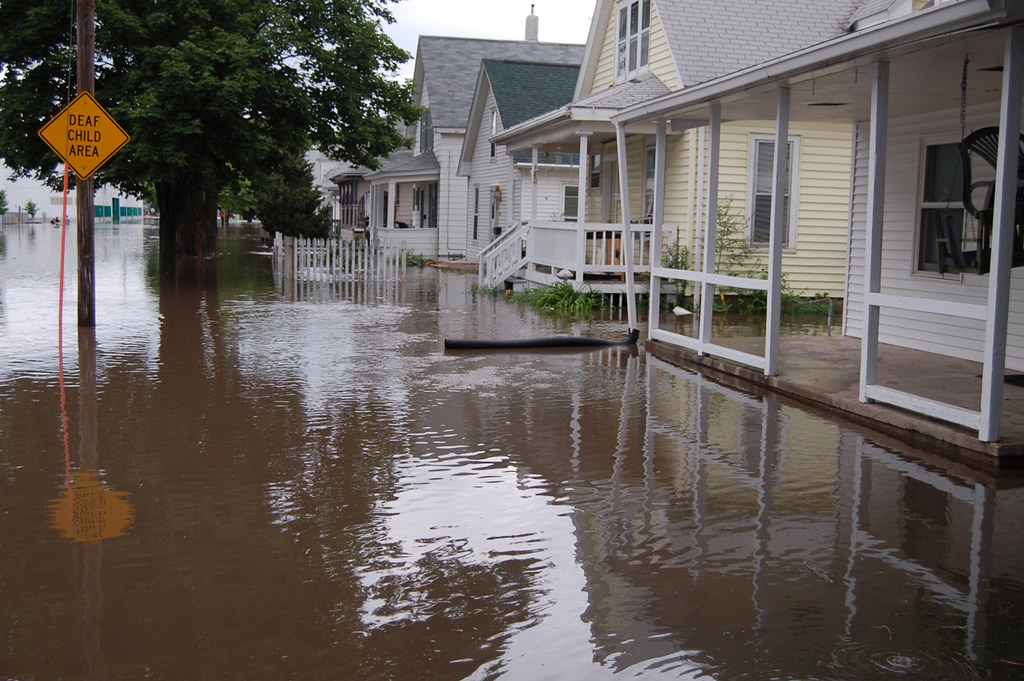
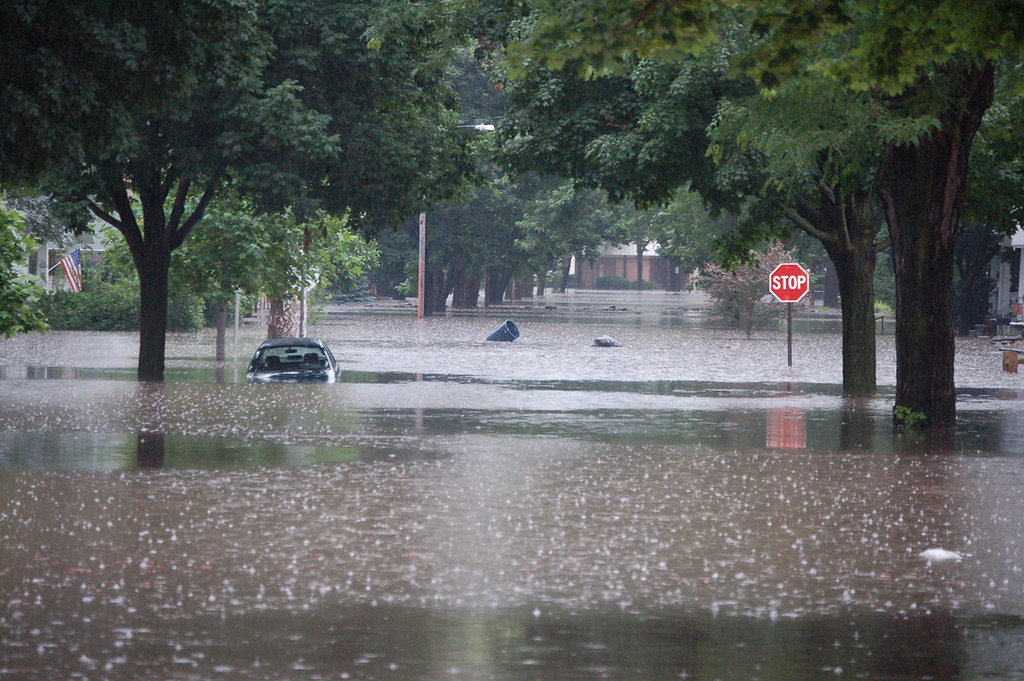
In July 2026, monsoon flooding and debris flows swept through Beaver County, triggering a flash flood emergency that affected hundreds of homes and properties across Milford, Beaver, and Minersville. The Cottonwood Fire burn scar above Beaver Canyon dramatically accelerated runoff, and with SR-153 temporarily closed and local infrastructure under significant stress, communities across the region faced one of the most challenging flood events in recent memory.
The Disaster Repair Team (DRT) was on the ground throughout the emergency and the weeks of recovery that followed. This page exists as a permanent resource for anyone who experienced flooding during this event — or who wants to be better prepared for future monsoon seasons in Beaver County.
If you're still dealing with damage from the July 2026 flood, we're still here. Call 24/7: 435-619-9594
Understanding the July 2026 Flood Risk in Milford and Beaver County
Milford's position within the broader Beaver County basin made it particularly vulnerable during the 2026 monsoon season. Persistent moisture streaming into central Utah combined with the Cottonwood Fire burn scar created a dangerous runoff multiplier effect — saturated, fire-damaged soil could no longer absorb rainfall at normal rates, sending water, ash, and debris downslope faster and in greater volumes than typical storm events would produce.
Properties that had never flooded before found themselves with water in their basements and crawl spaces. Roads washed out. Culverts were overwhelmed. The combination of fire-scarred terrain and monsoon timing created conditions that many Beaver County homeowners had not previously planned for — and that's one of the most important takeaways from this event.
What DRT Did During and After the Emergency
From the first days of the flooding through the extended drying and remediation period, DRT crews worked across Milford, Beaver, and Minersville providing:
- Emergency water extraction — Removing standing water quickly to limit structural damage and mold risk
- Structural drying — Industrial-grade drying equipment deployed inside walls, under floors, and throughout affected spaces
- Debris and sediment removal — Clearing the mud, ash, and debris that burn-scar flooding leaves behind
- Mold prevention and remediation — Treating affected areas before mold could take hold in Utah's summer heat
- Insurance coordination — Working directly with homeowners' insurance companies to document damage and streamline claims
DRT operated on a 24/7 basis throughout the peak emergency period, and continued providing follow-up services for weeks as the full extent of damage became clear in affected properties.
Still dealing with damage? Call us: 435-619-9594
What to Do After a Flood: Practical Steps for Beaver County Homeowners
Whether you experienced flooding during the July 2026 event or are responding to a future storm, these steps apply. Time matters — the longer water sits, the greater the structural damage and mold risk.
Immediately After Flooding Recedes
- Do not enter until it's safe. Confirm there are no electrical hazards, structural collapses, or ongoing debris flow risk before re-entering your property.
- Document everything before you touch it. Photograph and video every affected room, item, and surface. This documentation is essential for your insurance claim.
- Call your insurance company. Report the damage as soon as possible to begin the claims process. DRT can work directly with your adjuster.
- Begin water extraction immediately — or call a professional. Every hour water sits increases damage and mold risk. If you cannot extract water yourself, call DRT at 435-619-9594.
- Remove saturated materials. Wet carpet, drywall, and insulation cannot be saved in most cases and should be removed promptly to allow drying.
- Ventilate the space. Open windows and doors if conditions are safe to do so. Airflow aids drying and reduces mold risk.
- Do not use HVAC to dry the space until it has been inspected — flooded HVAC systems can spread contamination throughout your home.
In the Days and Weeks Following
- Monitor walls, ceilings, and floors for signs of mold (discoloration, musty odor, soft spots)
- Have structural components inspected — burn-scar debris flows can carry more force and sediment than typical flooding, stressing foundations and wall framing
- Keep records of all remediation work, receipts, and communications with your insurance company
- Watch for delayed damage — moisture trapped inside walls may not present visibly for days or weeks
Lessons Learned from the July 2026 Flood
The July 2026 event taught Beaver County communities — and DRT — several hard lessons that are worth preserving for future reference.
1. Burn Scars Change Everything
The Cottonwood Fire scar fundamentally altered how rainfall behaved across the canyon and valley system. Properties that had no prior flood history were inundated. If there has been a wildfire in your area within the past several years, your flood risk profile has changed — even if your property sits in a zone that has never flooded before. Homeowners should reassess their risk after any nearby fire.
2. Standard Flood Insurance May Not Cover Debris Flow Damage
Many homeowners discovered during the 2026 recovery that standard flood insurance policies had coverage gaps for debris flow and mudflow damage, which is classified differently than clear-water flooding. Review your policy carefully and speak with your agent about endorsements that cover fire-scar debris events.
3. Monsoon Timing Is Predictable — Preparation Doesn't Have to Wait
Utah's monsoon season arrives every year, typically intensifying from mid-July through September. With burn scars present in the region, the window for preparation is every spring. Simple measures — clearing gutters and drains, grading soil away from foundations, identifying and reinforcing vulnerable entry points — made a measurable difference in how properties fared during the 2026 event.
4. Response Speed Determined Outcomes
Among the properties DRT worked on, the clearest predictor of restoration cost and timeline was how quickly extraction and drying began. Homes where water was extracted within the first 24 hours consistently saw better outcomes and lower mold remediation costs than those where water sat for several days. If flooding happens, call for help immediately — don't wait to assess the full scope first.
5. Local Knowledge Matters in Rural Communities
With SR-153 closed and access routes impacted, out-of-area contractors faced significant delays reaching affected properties. DRT's familiarity with Beaver County roads, communities, and local infrastructure allowed faster response when it mattered most. In rural Utah emergencies, having a relationship with a local restoration team before a disaster is a meaningful advantage.
DRT Is Still Here for Milford, Beaver, and Minersville
The July 2026 flood response reinforced what DRT already knew: Beaver County communities deserve a restoration partner that knows the terrain, shows up when roads are rough, and stays until the job is done. Whether you're still working through damage from the 2026 event, dealing with a newer water loss, or want to talk through flood preparedness before next monsoon season, we're available around the clock.
We handle water extraction, structural drying, debris and sediment removal, mold prevention, and full remediation — and we work directly with your insurance company throughout the process.
Call DRT 24/7: 435-619-9594
Serving Milford, Beaver, Minersville, and communities throughout Beaver County, Utah.
```Most homeowner policies cover sudden water damage (burst pipes, appliance failures). Natural flooding typically requires separate flood insurance. Either way, DRT documents everything from day one — moisture readings, photos, scope of work — so your claim is supported whether it goes through your standard policy or a flood policy.
Frequently Asked Questions
How quickly does mold grow after flooding?
Will my homeowner's insurance cover flood damage restoration?
What should I NOT do after my home floods?
How quickly can DRT respond?
Do I need to file my insurance claim before calling DRT?
DRT serves Milford and surrounding areas. View our full Milford service area page for more about our restoration services in your area, or browse all service areas.
Need Help Now?
The Disaster Repair Team provides 24/7 emergency restoration services across Utah.
Request Help Online