Emergency Flood & Water Damage Restoration — Beaver
- Recovery resources and next steps
- Insurance claim guidance
- Lessons learned for future prevention
- Professional restoration support
Mold can start growing within 24–48 hours of water exposure. Fast extraction and drying dramatically reduce secondary damage and health risks.
Live Conditions
Real-time weather radar for Utah
How DRT Helped Beaver Recover from the July 2026 Flash Flood — A Local Recovery Case Study
Serving Beaver, Junction, Marysvale, Milford, and surrounding Beaver County communities
About This Event
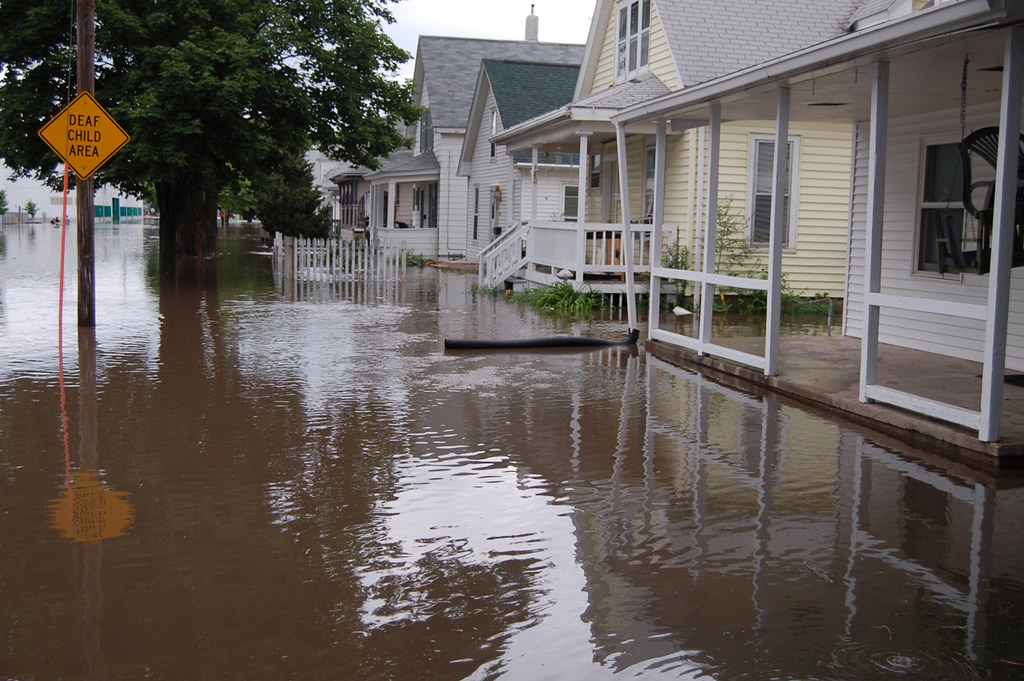
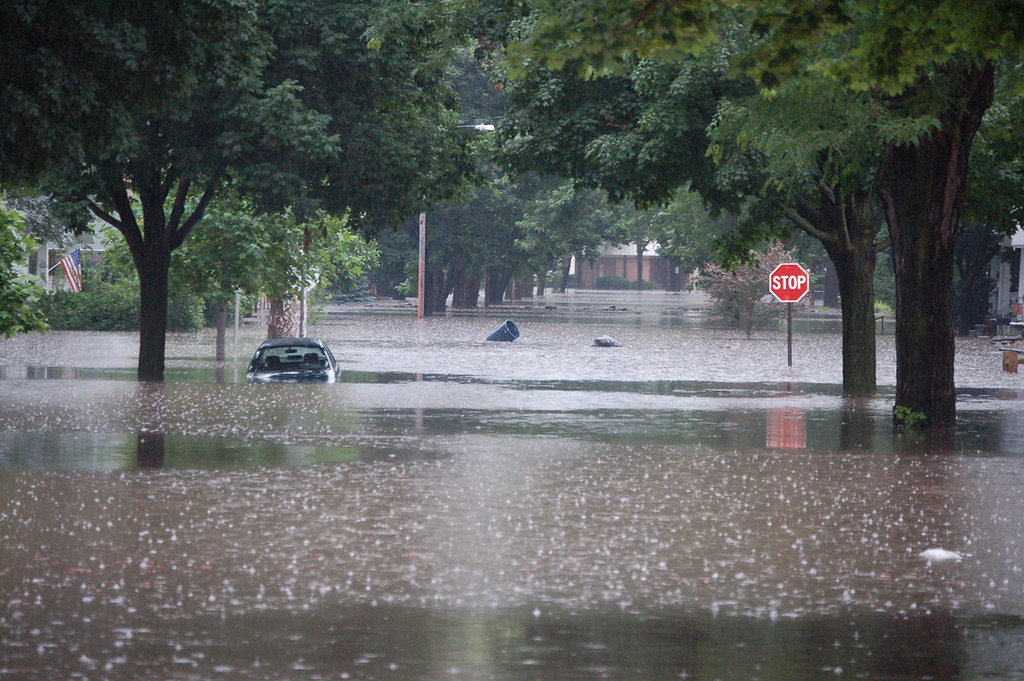
On July 28, 2026, the National Weather Service Salt Lake City issued a Flash Flood Warning for the Beaver area at 6:59 PM MDT, lasting through 10:00 PM MDT. What followed was a difficult night for homeowners and business owners across Beaver County. Floodwaters moved fast, and the damage they left behind was significant — saturated floors, compromised foundations, damaged drywall, and the very real risk of mold setting in within 24–48 hours.
The Disaster Repair Team (DRT) mobilized immediately and worked through the night and the days that followed to help affected families and businesses begin their recovery. This page documents what happened, what we learned, and what you should know if you or a neighbor are still dealing with the aftermath.
Still dealing with flood damage from this event? It's not too late to get help. Call DRT now: 385-287-6344
What Homeowners and Businesses Experienced
Flash flooding in the Beaver area affected properties in ways that aren't always immediately visible. Beyond the standing water, residents discovered:
- Water wicked into walls, subfloors, and insulation
- Mud and debris deposited in crawl spaces and basements
- Electrical and HVAC systems exposed to moisture
- Structural materials beginning to swell and warp within hours
- Mold growth beginning within 48–72 hours in poorly ventilated areas
Many homeowners in Beaver, Junction, and Marysvale initially underestimated the extent of the damage — only to discover hidden moisture problems days or weeks later.
What to Do After a Flash Flood (The Steps That Mattered Most)
Whether you're reading this days, weeks, or months after the July 2026 event — or preparing for the next one — these are the steps that made the biggest difference for the homeowners and business owners DRT worked with:
- Prioritize safety above all else. Floodwaters can compromise structural integrity and introduce electrical hazards. Do not re-enter your property until it has been deemed safe.
- Document everything before cleanup begins. Photograph and video all damage from every angle. This documentation was critical for insurance claims during the July 2026 recovery.
- Stay out of structurally compromised areas. Waterlogged floors, ceilings, and walls can fail without warning.
- Contact your insurance company promptly. The sooner a claim is opened, the sooner the process moves forward. DRT worked directly with adjusters on behalf of many Beaver County clients.
- Call a professional restoration team immediately. The 24–48 hour window after flooding is critical. Every hour of delay increases the risk of mold, structural damage, and higher repair costs.
Ready to talk through your situation? Call DRT anytime — we're available 24/7: 385-287-6344
How DRT Responded
DRT's team arrived on-site in Beaver and surrounding communities within hours of the warning lifting. Our restoration work included:
- Emergency water extraction — removing standing water and beginning the drying process immediately
- Structural drying — industrial dehumidifiers and air movers deployed throughout affected structures
- Moisture mapping — identifying hidden moisture in walls, subfloors, and cavities that aren't visible to the naked eye
- Board-up and tarping — securing properties where structural openings were created by flood damage
- Mold remediation — addressing mold growth that developed in the days following the event
- Full rebuild coordination — managing repairs from structural restoration through finish work
- Insurance documentation support — working directly with adjusters to ensure accurate, complete claims
Lessons Learned: What the July 2026 Flood Taught Us
Every major weather event leaves behind knowledge as well as damage. Here is what the Beaver County community — and DRT — took away from the July 2026 flash flood recovery:
1. Response time is everything.
Homeowners who called within the first 12–24 hours consistently saw better outcomes and lower total repair costs than those who waited to "see how bad it really was." Moisture doesn't wait.
2. Flash flooding leaves hidden damage.
Many of the most serious problems we encountered — saturated wall cavities, compromised subfloor systems, mold in crawl spaces — were completely invisible from the surface. Professional moisture assessment is not optional after a flood event.
3. Insurance works best when documentation is thorough.
Clients who had strong photo and video documentation, combined with professional damage reports from DRT, moved through the claims process significantly faster. We now recommend that every homeowner in flood-prone areas maintain an up-to-date home inventory before storm season.
4. Rural and semi-rural communities need a local team they can trust.
Beaver, Junction, and Marysvale are not large metro areas. Out-of-region "storm chasers" showed up after this event making promises they couldn't keep. Homeowners who worked with DRT — a team already familiar with the area, the terrain, and the local building stock — consistently reported smoother experiences.
5. Mold can become a secondary disaster.
Several properties that went untreated for more than 72 hours developed significant mold growth. In some cases, this created health concerns for families who had already returned home. Early professional intervention prevents a flood from becoming a long-term air quality problem.
6. Community preparation matters.
Neighbors who had already identified a trusted restoration contractor, understood their insurance coverage, and had emergency contact numbers on hand recovered faster and with less stress. We encourage every Beaver County household to have a plan before the next event.
Is Your Property Still Showing Signs of Flood Damage?
Flood damage doesn't always announce itself immediately. In the weeks and months after a flood event, watch for:
- Musty or earthy odors — a common sign of hidden mold
- Warping, buckling, or soft spots in floors
- Peeling paint or wallpaper
- Visible mold or discoloration on walls, ceilings, or in closets
- Unexplained increases in allergy or respiratory symptoms among family members
- Cracks appearing in drywall or along foundation walls
If you're seeing any of these signs — even now — call DRT for a professional assessment. It's almost always less expensive to address the problem early than to let it develop further.
Get a professional assessment. Call DRT: 385-287-6344 — available 24 hours a day, 7 days a week.
About Disaster Repair Team
DRT has been through events like the July 2026 Beaver flash flood before — and we'll be ready for the next one. We provide full-service emergency restoration and recovery for homes and businesses throughout Beaver County and the surrounding region, including:
- 24/7 emergency water extraction and structural drying
- Mold testing, remediation, and clearance
- Fire, smoke, and soot restoration
- Board-up and emergency securing services
- Complete rebuild and reconstruction coordination
- Direct insurance billing and adjuster coordination
We know Beaver County. We've worked in these communities, on these structures, under these conditions. When the next storm comes, you deserve a team that has already been through it.
Call DRT anytime: 385-287-6344
Or reach out online to schedule a moisture assessment or consultation at no obligation.
```Most homeowner policies cover sudden water damage (burst pipes, appliance failures). Natural flooding typically requires separate flood insurance. Either way, DRT documents everything from day one — moisture readings, photos, scope of work — so your claim is supported whether it goes through your standard policy or a flood policy.
Frequently Asked Questions
How quickly does mold grow after flooding?
Will my homeowner's insurance cover flood damage restoration?
What should I NOT do after my home floods?
How quickly can DRT respond?
Do I need to file my insurance claim before calling DRT?
DRT serves Beaver and surrounding areas. View our full Beaver service area page for more about our restoration services in your area, or browse all service areas.
Need Help Now?
The Disaster Repair Team provides 24/7 emergency restoration services across Utah.
Request Help Online