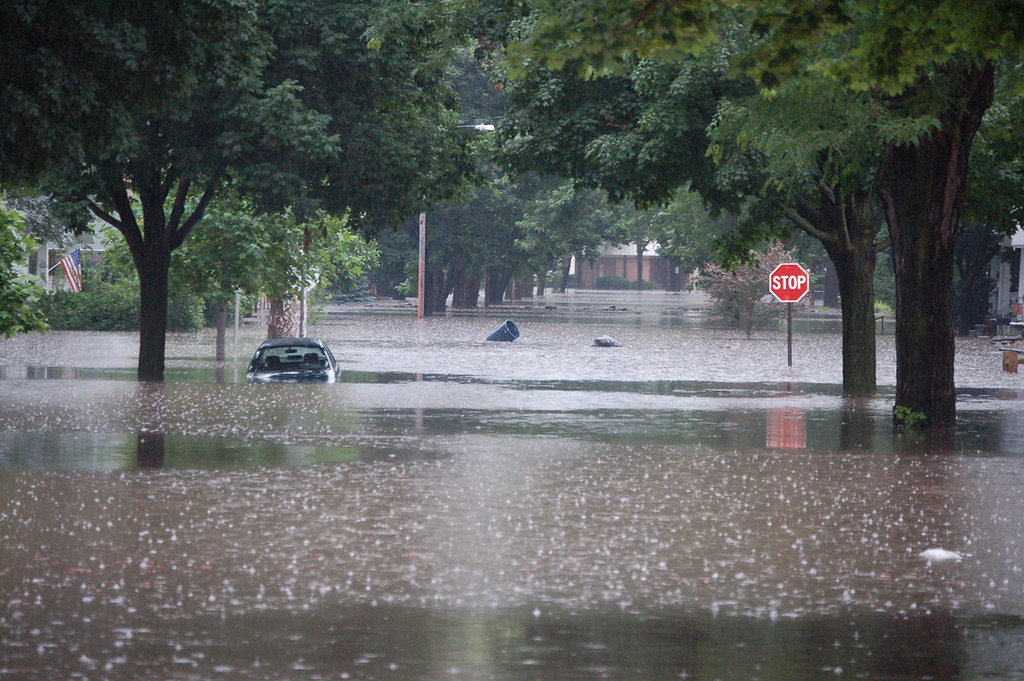
July 2026 Flash Flood Warning — Beaver, Junction, Marysvale & more — Emergency Restoration
- Recovery resources and next steps
- Insurance claim guidance
- Lessons learned for future prevention
- Professional restoration support
Mold can start growing within 24–48 hours of water exposure. Fast extraction and drying dramatically reduce secondary damage and health risks.
Live Conditions
Real-time weather radar for Utah
- Do NOT stand in water near electrical outlets or appliances
- Shut off main water supply if the source is a pipe or appliance
- Turn off electricity to affected areas at the breaker — only if safe to reach
- Do NOT use household vacuums on standing water
- Move to higher ground if water is rising rapidly
How DRT Helped Utah Recover from the July 2026 Flash Flood — Beaver, Junction, Marysvale & Surrounding Areas
On July 28, 2026, the National Weather Service Salt Lake City issued a Flash Flood Warning at 6:59 PM MDT, affecting communities across Piute and Beaver Counties — including Beaver, Junction, Marysvale, and surrounding areas. The warning remained in effect until 10:00 PM MDT, but the damage it left behind lasted far longer.
This page serves as a case study and recovery resource documenting how the Disaster Repair Team (DRT) responded, what affected homeowners and business owners needed to know, and what lessons our team took away from this event — so our communities are better prepared next time.
If you're still dealing with flood damage from this event — or any storm — we're here to help.
Call DRT: 385-287-6344
What Happened: The July 28, 2026 Flash Flood Warning
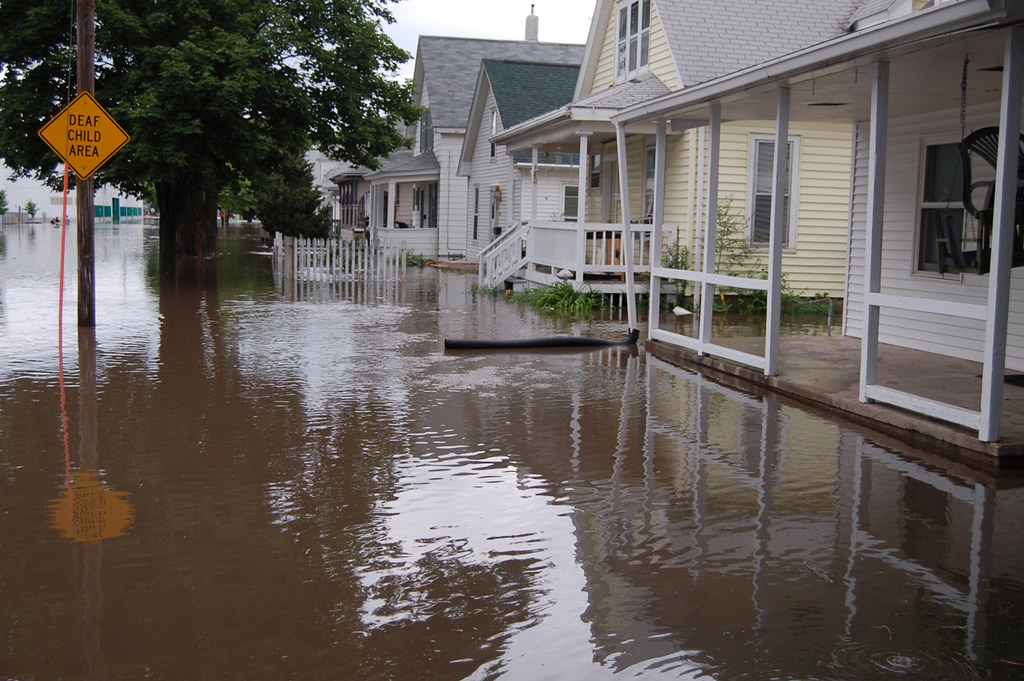
The flash flood warning covered a broad stretch of rural and semi-rural Utah, catching many residents and property owners off guard during evening hours. Rapidly rising water intruded into homes, basements, and commercial buildings — leaving behind soaked materials, structural concerns, and the very real threat of mold if not addressed quickly.
DRT mobilized its crews immediately upon warning issuance and was on the ground in affected communities within hours, providing 24/7 emergency restoration services throughout the event and the weeks that followed.
What to Do After a Flash Flood: The Checklist That Helped Our Clients
In the aftermath of the July 2026 flooding, the homeowners and business owners who fared best were those who took fast, organized action. Here's the same guidance our team shared on the ground:
- Ensure your family's safety first. Do not re-enter a flood-damaged structure until it has been deemed safe. Watch for downed power lines, gas leaks, and unstable flooring.
- Document all damage with photos and video before any cleanup begins. This documentation is critical for your insurance claim.
- Do not enter structurally compromised areas. Floodwater can weaken foundations, subflooring, and load-bearing walls in ways that aren't immediately visible.
- Contact your insurance company as soon as possible to open a claim and understand your coverage.
- Call DRT for professional restoration. The faster water extraction and structural drying begins, the lower the risk of mold, warping, and secondary damage. 385-287-6344
Ready to get started on your recovery?
Call DRT now: 385-287-6344
How DRT Responded: Services Deployed After the July 2026 Flood
When this flash flood warning was issued, DRT was already positioned to respond. Our crews deployed across affected areas providing the full scope of emergency and restoration services that a flood event demands:
- Emergency water extraction — removing standing water from homes and businesses as quickly as possible
- Structural drying — industrial-grade air movers and dehumidifiers to dry out walls, floors, and substructures
- Board-up and tarping — securing properties against further intrusion or weather exposure
- Mold remediation — identifying and eliminating mold growth that often follows within 24–72 hours of flooding
- Smoke and soot removal — for any properties also affected by fire-related incidents during the storm
- Full rebuild coordination — managing the restoration process from initial damage through complete repair and reconstruction
- Direct insurance billing — working directly with insurance carriers to simplify the claims process for our clients
DRT has worked with every major insurance carrier operating in Utah and handled the documentation, communication, and coordination so our clients could focus on their families and businesses.
Lessons Learned: What the July 2026 Flash Flood Taught Us
Every major weather event teaches our team something. Here's what stood out from the July 2026 flooding in Beaver, Junction, Marysvale, and the surrounding region:
1. Rural communities face unique response challenges — and need local expertise.
Many of the hardest-hit areas in this event were outside of major metro coverage zones. National restoration chains weren't on the ground fast enough. DRT's Utah-based teams were already familiar with these roads, these communities, and these property types — and that made a real difference in response time.
2. Evening flash floods are especially dangerous for documentation.
Because the warning was issued at 6:59 PM, many property owners were unable to photograph damage in good light before water levels changed overnight. Going forward, we remind clients: use video on your phone with narration if lighting is poor — timestamps and descriptions matter.
3. Mold can start within 24 hours in Utah's summer heat.
Late July temperatures accelerated mold growth timelines significantly. Properties that waited several days to call for extraction faced more extensive remediation needs than those who called within the first 12–24 hours. Speed matters more in summer than at any other time of year.
4. Many homeowners didn't know they had flood-adjacent coverage.
A number of our clients assumed they had no coverage — only to find that portions of their damage qualified under existing homeowner policies. Always call your insurance company before assuming you're on your own. Then call DRT to help you navigate the process.
5. Pre-event preparation makes recovery faster.
Clients who had already identified their main water shutoffs, kept a photo inventory of their belongings, and had DRT's number saved were able to act decisively the moment flooding occurred. We encourage every Utah homeowner in a flood-prone area to take these steps now, before the next event.
About DRT: Utah's Local Disaster Restoration Team
The Disaster Repair Team has been serving Utah homeowners and businesses through floods, fires, and storm damage for years. We are locally owned, locally operated, and deeply familiar with the communities we serve — from the Wasatch Front to rural Piute and Beaver Counties.
We've been through events like the July 2026 flash flood before, and we'll be here for the next one too. Our 24/7 availability isn't a marketing claim — it's how we operated the night that warning was issued, and it's how we operate every day.
- ✔ 24/7 emergency response
- ✔ Licensed and insured in Utah
- ✔ Direct insurance billing
- ✔ Local crews — not out-of-state contractors
- ✔ Full-service: extraction, drying, mold, rebuild
Still Recovering? We Can Help.
Whether your damage happened during the July 2026 flood or you're dealing with the aftermath of any storm, DRT is ready to assess your property, begin restoration, and work directly with your insurance company.
Call DRT today: 385-287-6344
Available 24 hours a day, 7 days a week — including nights, weekends, and holidays.
Don't wait. The longer water damage goes unaddressed, the more expensive and extensive the restoration becomes. Our team is ready to help you move forward.
```Affected Areas
Select a city for location-specific emergency information and restoration resources.
What to Expect When You Call
Here's how DRT responds to emergency calls:
Need Help Now?
The Disaster Repair Team provides 24/7 emergency restoration services across Utah.
Request Help Online