Emergency Flood & Water Damage Restoration — Junction
- Recovery resources and next steps
- Insurance claim guidance
- Lessons learned for future prevention
- Professional restoration support
Mold can start growing within 24–48 hours of water exposure. Fast extraction and drying dramatically reduce secondary damage and health risks.
Live Conditions
Real-time weather radar for Utah
How DRT Helped Junction Recover from the July 2026 Flash Flood Warning
A Recovery Case Study & Resource Guide for Beaver, Junction, Marysvale, and Surrounding Piute & Beaver County Communities
What Happened
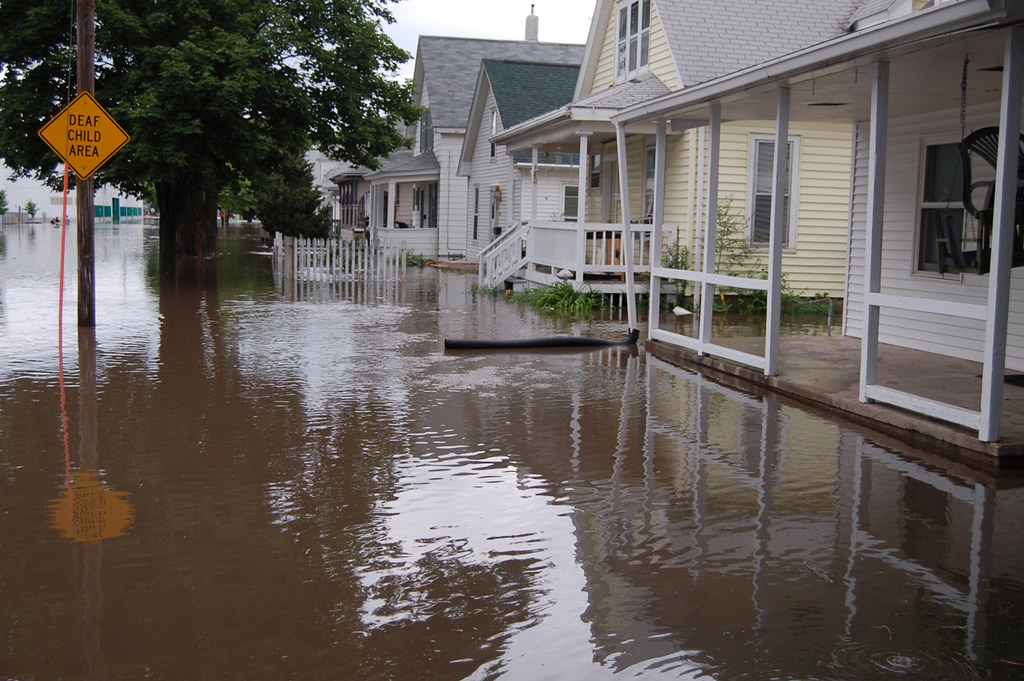
On July 28, 2026, the National Weather Service Salt Lake City issued a Flash Flood Warning for the Junction area at 6:59 PM MDT, active through 10:00 PM MDT. Homes and businesses across Junction, Beaver, and Marysvale experienced flooding, water intrusion, and property damage as a result of the event. The Disaster Repair Team was on the ground and responding that same evening.
If you were affected by this event — or a similar flood event in the future — this guide outlines exactly what the recovery process looked like, what we learned, and how DRT can help you get back to normal.
Still dealing with damage? Call us now: 385-287-6344
What Homeowners & Business Owners Did in the First 24 Hours
The steps taken immediately after flooding made a significant difference in limiting secondary damage such as mold growth, structural deterioration, and total loss of personal property. Here is what we advised — and what worked:
- Prioritized family safety first — No property is worth a life. Residents who waited for official all-clear signals before re-entering their homes avoided serious risk from contaminated floodwater and unstable structures.
- Documented all damage with photos and video — Thorough photo and video documentation taken before any cleanup began proved essential for insurance claims and restoration scoping.
- Avoided structurally compromised areas — Floodwater weakens flooring, walls, and foundations in ways that aren't always visible. Staying out of damaged areas until a professional assessment was completed prevented additional injuries.
- Contacted their insurance company right away — Early notification opened claims faster and helped families understand their coverage before restoration work began.
- Called DRT for emergency water extraction and drying — The faster standing water was removed, the less time mold and structural damage had to set in. Most mold growth begins within 24–48 hours of water intrusion.
Dealing with flood damage now or preparing for next time? Call DRT: 385-287-6344
How DRT Responded
When the July 2026 flash flood warning was issued, DRT mobilized immediately. As a local Utah restoration team familiar with the geography and communities of Piute and Beaver Counties, we were able to reach affected properties in Junction, Beaver, and Marysvale quickly — not the next morning, not after a call center routed a ticket, but that night.
Our teams provided:
- Emergency water extraction — Removing standing water from basements, main floors, and crawl spaces before it could cause further damage
- Structural drying — Industrial dehumidifiers and air movers deployed to dry walls, subfloors, and framing from the inside out
- Board-up and site securing — Protecting damaged properties from further exposure to weather or unauthorized entry
- Mold remediation — Identifying and treating mold growth that developed in the days following the event
- Full rebuild coordination — Managing the transition from emergency mitigation through to complete restoration and reconstruction
- Direct insurance coordination — Working with homeowners' and business owners' insurance carriers to document damage, submit scopes of work, and streamline claims
Lessons Learned from the July 2026 Flood
Every disaster response teaches us something. Here is what the July 2026 event reinforced for our team — and for the communities we serve:
1. Speed is everything with water damage.
Properties where water extraction began within a few hours of flooding had significantly better outcomes than those where water sat for 24 hours or more. Mold, subfloor buckling, and drywall deterioration escalate quickly. Calling a restoration team the same night — even if you aren't sure how bad the damage is — is always the right move.
2. Document before you touch anything.
Homeowners who photographed and video-recorded every affected room, belonging, and structural element before moving anything had smoother, faster insurance claims. Walk through every space. Open every cabinet. Capture it all.
3. Flash floods in Piute and Beaver Counties move fast and hit hard.
The terrain around Junction, Marysvale, and the Sevier River corridor channels water quickly during heavy rain events. Properties that had previously never flooded were affected in July 2026. Understanding your local flood risk — regardless of prior history — is important for preparedness.
4. Insurance coordination matters as much as the physical work.
Several property owners initially felt overwhelmed navigating their insurance carriers while simultaneously managing the chaos of a flooded home. Having DRT communicate directly with adjusters on their behalf reduced stress and helped ensure nothing was left undocumented or underclaimed.
5. Local teams respond faster.
National franchise restoration companies often dispatch from distant locations or route calls through out-of-state call centers. DRT is based in Utah and knows these communities. When a flood warning hits Junction or Marysvale, we don't need to look it up on a map.
6. Recovery takes longer than people expect — but it doesn't have to be overwhelming.
Full restoration after a significant flooding event can take weeks. Homeowners who engaged with a single point-of-contact restoration team — rather than trying to manage multiple contractors independently — found the process far more manageable.
If You Were Affected by the July 2026 Flood — or Any Flooding Event
Whether you are still dealing with damage from this event, discovering new issues like mold weeks later, or simply want a professional assessment of your property's condition, DRT is available now.
We provide 24/7 emergency restoration services and work directly with your insurance company so you can focus on your family while we handle the recovery process.
Call DRT now: 385-287-6344
Serving Junction, Beaver, Marysvale, Circleville, Kingston, and surrounding communities in Piute and Beaver Counties, Utah.
```Most homeowner policies cover sudden water damage (burst pipes, appliance failures). Natural flooding typically requires separate flood insurance. Either way, DRT documents everything from day one — moisture readings, photos, scope of work — so your claim is supported whether it goes through your standard policy or a flood policy.
Frequently Asked Questions
How quickly does mold grow after flooding?
Will my homeowner's insurance cover flood damage restoration?
What should I NOT do after my home floods?
How quickly can DRT respond?
Do I need to file my insurance claim before calling DRT?
DRT serves Junction and surrounding areas. View our full Junction service area page for more about our restoration services in your area, or browse all service areas.
Need Help Now?
The Disaster Repair Team provides 24/7 emergency restoration services across Utah.
Request Help Online