Emergency Flood & Water Damage Restoration — Milford
- Recovery resources and next steps
- Insurance claim guidance
- Lessons learned for future prevention
- Professional restoration support
Mold can start growing within 24–48 hours of water exposure. Fast extraction and drying dramatically reduce secondary damage and health risks.
Live Conditions
Real-time weather radar for Utah
How DRT Helped Milford Recover from the July 2026 Flash Flood — A Community Recovery Guide for Beaver, Junction, Marysvale & Surrounding Areas
On July 28, 2026, the National Weather Service Salt Lake City issued a Flash Flood Warning at 6:59 PM MDT for Milford and surrounding communities — including Beaver, Junction, and Marysvale — lasting through 10:00 PM MDT. The Disaster Repair Team (DRT) mobilized immediately and worked alongside affected homeowners and businesses throughout the recovery process.
This page serves as a permanent resource for anyone who experienced damage during that event, or who wants to be better prepared if flooding strikes again. If you are still dealing with damage or discovered new issues after the fact, our team is still here.
Call DRT anytime: 385-287-6344
What Happened: The July 28, 2026 Flash Flood Event
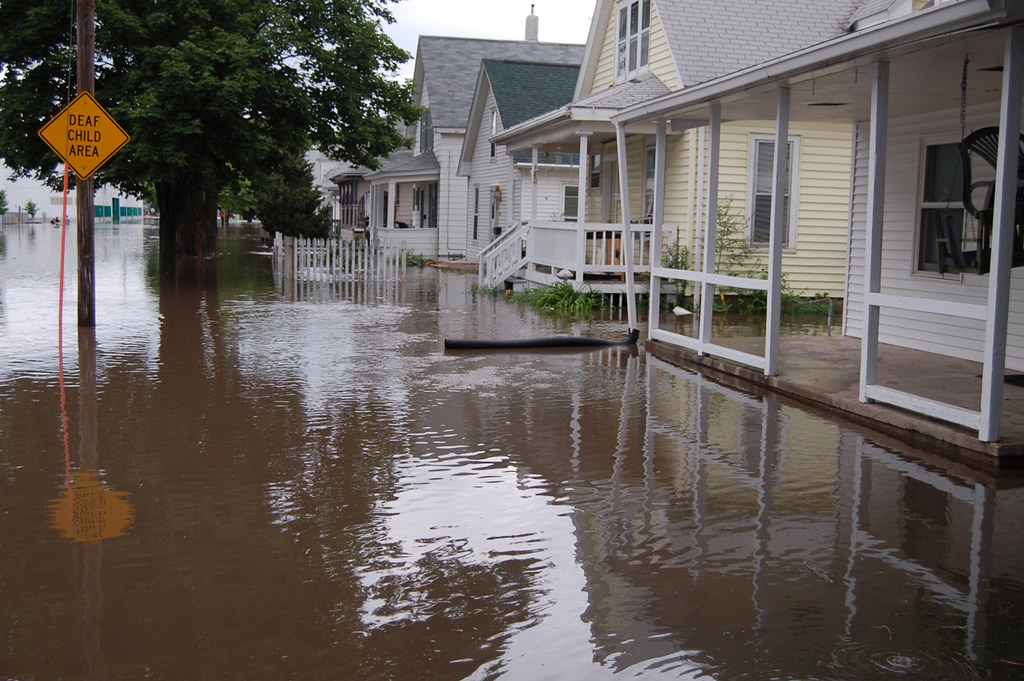
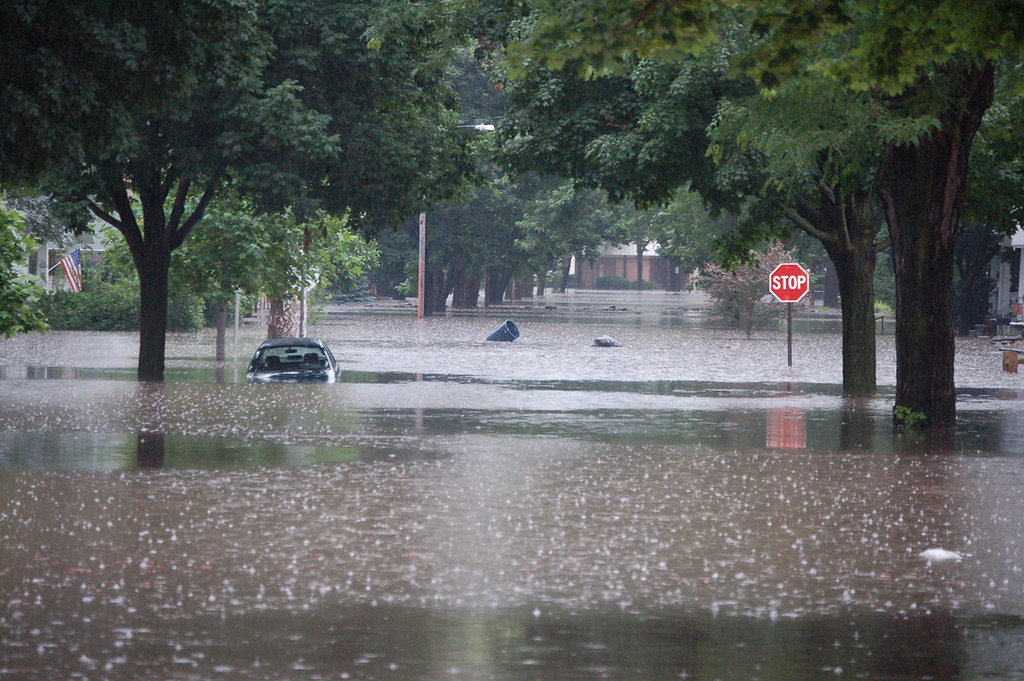
The flash flood warning caught many residents off guard during evening hours. Rapid water accumulation affected homes, basements, crawl spaces, and commercial properties across the region. In the hours and days that followed, DRT crews responded to calls across Milford, Beaver, Junction, Marysvale, and the surrounding Piute and Beaver County communities, performing emergency water extraction, structural drying, and damage assessments.
Many property owners did not realize the full extent of their damage until days later — when moisture had already begun driving mold growth inside walls and under flooring. That pattern is one of the most important lessons this event taught the community.
What to Do After a Flash Flood (The Steps That Mattered Most)
Whether you are responding immediately after a flood or addressing damage discovered weeks later, these are the steps DRT advised — and that made the biggest difference for the homeowners we helped in July 2026:
- Prioritize your family's safety first. Do not re-enter a structure until it has been confirmed structurally sound and utilities have been safely assessed.
- Document everything with photos and video before any cleanup begins. This documentation proved critical for insurance claims during the July event.
- Do not enter structurally compromised areas. Floodwater can undermine foundations, weaken flooring, and create hidden hazards.
- Contact your insurance company as soon as possible. Early notification helped our customers avoid claim delays.
- Call DRT for professional water extraction and drying. Consumer fans and shop vacs are not sufficient — moisture trapped inside walls and subflooring led to costly mold remediation for homeowners who waited or used DIY methods.
Ready to talk to someone now? Call: 385-287-6344
How DRT Responded — And What We Provide
During and after the July 2026 event, DRT provided the full range of emergency restoration services that flood recovery requires:
- 24/7 emergency water extraction
- Industrial structural drying and moisture mapping
- Board-up and property securing services
- Mold remediation and prevention treatment
- Smoke and soot removal (for events involving fire alongside flooding)
- Full rebuild coordination — from drywall to flooring to finish work
- Direct insurance company billing and documentation support
We worked directly with insurance adjusters on behalf of our customers, helping to reduce the paperwork burden during an already stressful time. Our familiarity with the claims process specific to this region meant faster approvals and fewer out-of-pocket surprises.
Lessons Learned: What the July 2026 Flood Taught Us
Having now worked through this event with dozens of families and businesses across Beaver and Piute Counties, DRT wants to share what we observed — so that the next flood causes less lasting damage to this community.
1. Hidden moisture is the real long-term threat.
Many homeowners whose homes "looked dry" within a few days still had significant moisture trapped in wall cavities, under tile, and in subfloor assemblies. Without professional moisture mapping, that hidden water became active mold colonies within 72 hours. The properties that fared best were those where professional drying equipment was deployed within the first 24 hours.
2. Acting fast on documentation protects your claim.
Insurance adjusters responded faster and more favorably when customers had thorough photo and video documentation taken before any items were moved or discarded. Customers who waited — or who cleaned up before documenting — sometimes faced disputes over the scope of damage.
3. Evening warnings mean less time to protect belongings.
The 6:59 PM warning gave residents very little daylight to move valuables, sandbag entry points, or shut off utilities before water entered. Having even a basic flood preparedness plan — knowing where your shutoffs are, keeping irreplaceable items elevated — would have reduced losses for many households.
4. Rural response times require local expertise.
The distances between Milford, Beaver, Junction, and Marysvale mean that response time matters enormously. Calling a regional or national chain can mean waiting hours longer than necessary. DRT's local presence in this area allowed us to be on-site faster, which directly limited secondary damage in many cases.
5. Mold does not wait for your schedule.
Several homeowners who planned to "deal with it next week" after the flood found themselves facing full mold remediation projects that were significantly more expensive than water mitigation alone would have been. Early intervention is always less costly.
Still Dealing With Flood Damage? DRT Is Still Here.
Flood damage discovered weeks or months after the initial event is still damage we can help with — whether it is mold, lingering moisture, structural issues, or restoration work that was started but not finished. There is no expiration date on calling us for help.
If you were affected by the July 2026 Milford flash flood, or by any subsequent flooding event in Beaver, Junction, Marysvale, or the surrounding area, reach out to our team. We know this community, we know the terrain, and we have been through this before.
Call DRT now — 24/7: 385-287-6344
We work directly with your insurance company and are ready to respond whenever you need us.
```Most homeowner policies cover sudden water damage (burst pipes, appliance failures). Natural flooding typically requires separate flood insurance. Either way, DRT documents everything from day one — moisture readings, photos, scope of work — so your claim is supported whether it goes through your standard policy or a flood policy.
Frequently Asked Questions
How quickly does mold grow after flooding?
Will my homeowner's insurance cover flood damage restoration?
What should I NOT do after my home floods?
How quickly can DRT respond?
Do I need to file my insurance claim before calling DRT?
DRT serves Milford and surrounding areas. View our full Milford service area page for more about our restoration services in your area, or browse all service areas.
Need Help Now?
The Disaster Repair Team provides 24/7 emergency restoration services across Utah.
Request Help Online