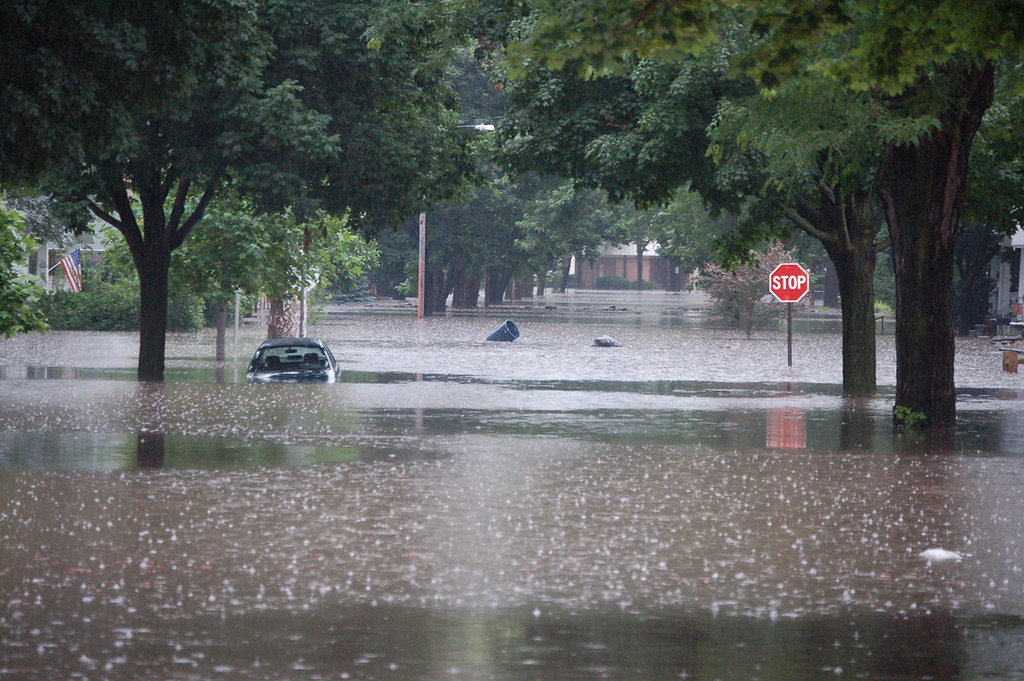
July 2026 Flash Flood Warning — Castle Dale, Ferron, Green River — Emergency Restoration
- Recovery resources and next steps
- Insurance claim guidance
- Lessons learned for future prevention
- Professional restoration support
Mold can start growing within 24–48 hours of water exposure. Fast extraction and drying dramatically reduce secondary damage and health risks.
Live Conditions
Real-time weather radar for Utah
- Do NOT stand in water near electrical outlets or appliances
- Shut off main water supply if the source is a pipe or appliance
- Turn off electricity to affected areas at the breaker — only if safe to reach
- Do NOT use household vacuums on standing water
- Move to higher ground if water is rising rapidly
How DRT Helped Utah Recover from the July 2026 Flash Flood — Castle Dale, Ferron & Green River
On July 28, 2026, the National Weather Service Salt Lake City issued a Flash Flood Warning at 6:36 PM MDT, affecting communities across Emery County including Castle Dale, Ferron, and Green River. The warning remained in effect until 9:45 PM MDT. In the hours and days that followed, the Disaster Repair Team mobilized to help homeowners and businesses across the affected area assess damage, begin water extraction, and navigate the road to full recovery.
This page serves as a permanent resource for anyone who experienced flood damage during this event — or any similar flash flooding in central and eastern Utah. If you are still dealing with damage from this storm, our team is ready to help.
Call DRT: 385-287-6344
What Happened: The July 28 Flash Flood Event
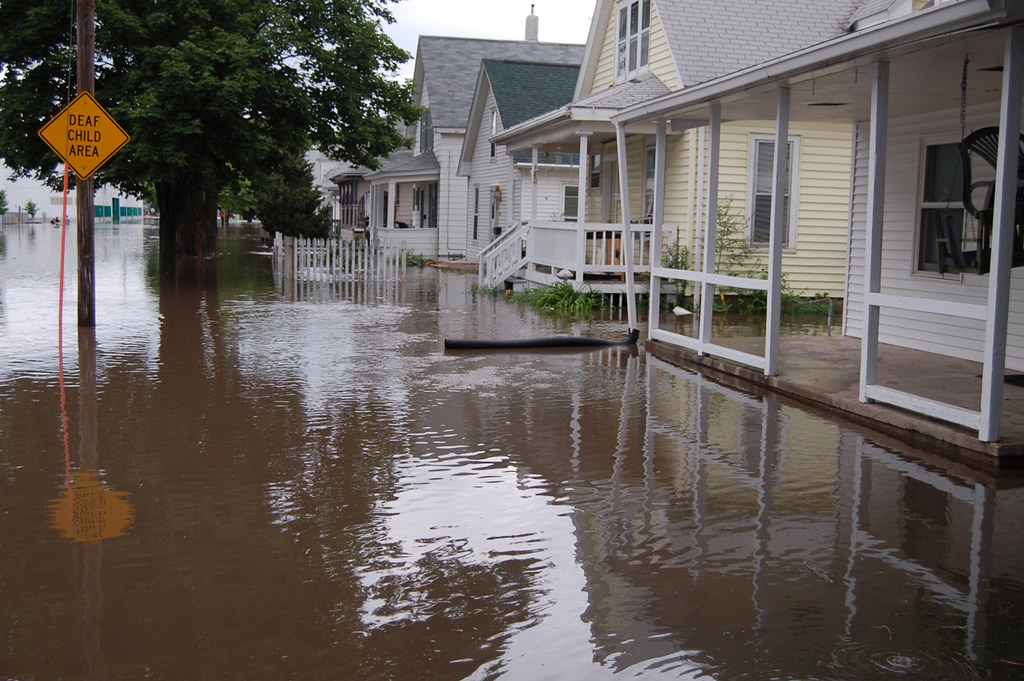
Intense monsoonal moisture pushed through the region on the evening of July 28, 2026, producing rapid runoff across the canyon drainages and arroyos that feed into the communities of Castle Dale, Ferron, and Green River. Water moved quickly through low-lying residential streets, entered basements and crawl spaces, and caused structural damage to foundations, flooring, and drywall throughout the area. DRT crews were on the ground within hours of the warning expiring, responding to calls from residents who had returned home to find significant flood damage.
What to Do After a Flash Flood — A Recovery Checklist
Whether you experienced this event or are dealing with flooding now, these steps remain the same. Following them quickly can significantly reduce long-term damage and out-of-pocket costs.
- Confirm your family's safety first. Do not re-enter a flooded structure until local emergency officials have confirmed it is safe to do so.
- Document all damage with photos and video before moving or discarding anything. Thorough documentation is essential for your insurance claim.
- Do not enter structurally compromised areas. Flood water can undermine foundations, weaken load-bearing walls, and create hidden hazards. When in doubt, stay out.
- Contact your insurance company as soon as possible to open a claim and understand your coverage for water damage and restoration.
- Begin water extraction immediately. Standing water left for more than 24–48 hours accelerates mold growth and deepens structural damage. Call DRT for emergency response: 385-287-6344
How DRT Responded — Our Services During This Event
During the July 2026 flash flood recovery, DRT provided the full range of emergency restoration services that affected property owners needed, including:
- Emergency water extraction — removing standing water from basements, crawl spaces, and ground-floor rooms
- Structural drying — deploying industrial air movers and dehumidifiers to dry walls, subfloors, and framing before mold could establish
- Board-up and site securing — protecting compromised structures from further damage or unauthorized entry
- Mold remediation — identifying and treating mold growth in properties where drying was delayed
- Full rebuild coordination — managing repairs from damaged drywall and flooring through to final finishes
- Direct insurance billing — working alongside adjusters to document damage and streamline the claims process for homeowners
DRT is a local Utah team. We understand the soil conditions, drainage patterns, and construction styles common to Emery County and the surrounding region. That familiarity meant faster response and more accurate assessments during this event.
Still dealing with damage from this storm or a more recent event? We're available 24/7.
Call DRT: 385-287-6344
Lessons Learned: What the July 2026 Flood Taught Utah Homeowners
After working through the recovery process with dozens of affected property owners, a number of consistent lessons emerged. We share these here so that future residents — whether in Castle Dale, Ferron, Green River, or anywhere across rural Utah — can be better prepared.
1. Speed matters more than most people expect.
Many homeowners who waited several days before calling for help faced significantly higher remediation costs. Mold can begin growing in wet building materials within 24 to 48 hours. Properties where water extraction began the same night or the following morning had substantially better outcomes and lower repair bills.
2. Flood water is not clean water.
Flash flood water carries sediment, agricultural runoff, sewage contamination, and debris. Flooring, drywall, and insulation that absorbed flood water often could not be salvaged and required full removal. Homeowners who attempted to dry materials in place without professional assessment in several cases discovered mold problems months later.
3. Document before you clean.
A number of residents began removing water-damaged belongings before fully photographing and videoing the damage. This created complications with insurance adjusters. Always photograph every affected room, every damaged item, and every water line mark before removing anything — even trash.
4. Crawl spaces and wall cavities hide the worst damage.
The most serious structural damage from this event was often invisible at first glance. Moisture had wicked into wall cavities, insulation bays, and beneath subflooring. Professional moisture mapping — not a visual inspection alone — was necessary to identify all affected areas.
5. Your insurance company works faster with a restoration team already engaged.
Homeowners who had already contacted DRT before their adjuster arrived were able to provide detailed damage documentation, moisture readings, and a preliminary scope of work. This consistently accelerated the claims process compared to properties where no contractor had yet been on site.
6. Dry riverbeds and arroyos can move fast.
Several property owners in the Ferron and Castle Dale areas expressed surprise at how quickly water entered their homes given that they were not located near a named waterway. The flash flood hydrology of central Utah means that normally dry channels can carry significant water volumes in a very short window. Awareness of your property's relationship to local drainage features is an important part of flood preparedness.
Is Your Property Fully Recovered?
If your home or business was affected by the July 2026 flooding and you have lingering concerns — unexplained odors, soft flooring, visible discoloration on walls, or elevated humidity — there may be moisture or mold issues that were not fully resolved. DRT offers post-flood inspections for property owners who want peace of mind.
We have been through this before. We know what to look for, and we know how to fix it.
Call the Disaster Repair Team: 385-287-6344
Available 24 hours a day, 7 days a week. We serve Castle Dale, Ferron, Green River, and communities throughout Emery County and central Utah.
Affected Areas
Select a city for location-specific emergency information and restoration resources.
What to Expect When You Call
Here's how DRT responds to emergency calls:
Need Help Now?
The Disaster Repair Team provides 24/7 emergency restoration services across Utah.
Request Help Online