Emergency Flood & Water Damage Restoration — Castle Dale
- Recovery resources and next steps
- Insurance claim guidance
- Lessons learned for future prevention
- Professional restoration support
Mold can start growing within 24–48 hours of water exposure. Fast extraction and drying dramatically reduce secondary damage and health risks.
Live Conditions
Real-time weather radar for Utah
How DRT Helped Castle Dale Recover from the July 2026 Flash Flood Warning
A Case Study & Recovery Resource for Castle Dale, Ferron, and Green River
About This Event
On July 28, 2026, the National Weather Service Salt Lake City issued a Flash Flood Warning for the Castle Dale area, effective from 6:36 PM MDT until 9:45 PM MDT. The storm brought rapid water intrusion to homes and businesses across Castle Dale, Ferron, and Green River — leaving many property owners dealing with the aftermath long after the skies cleared.
The Disaster Repair Team (DRT) responded immediately and worked alongside affected residents and business owners throughout the recovery process. This page documents what happened, what we did, and what the community learned — so that anyone facing a similar situation in the future knows exactly what to do and who to call.
Dealing with lingering flood damage? Call DRT now: 385-287-6344
What Homeowners and Businesses Faced
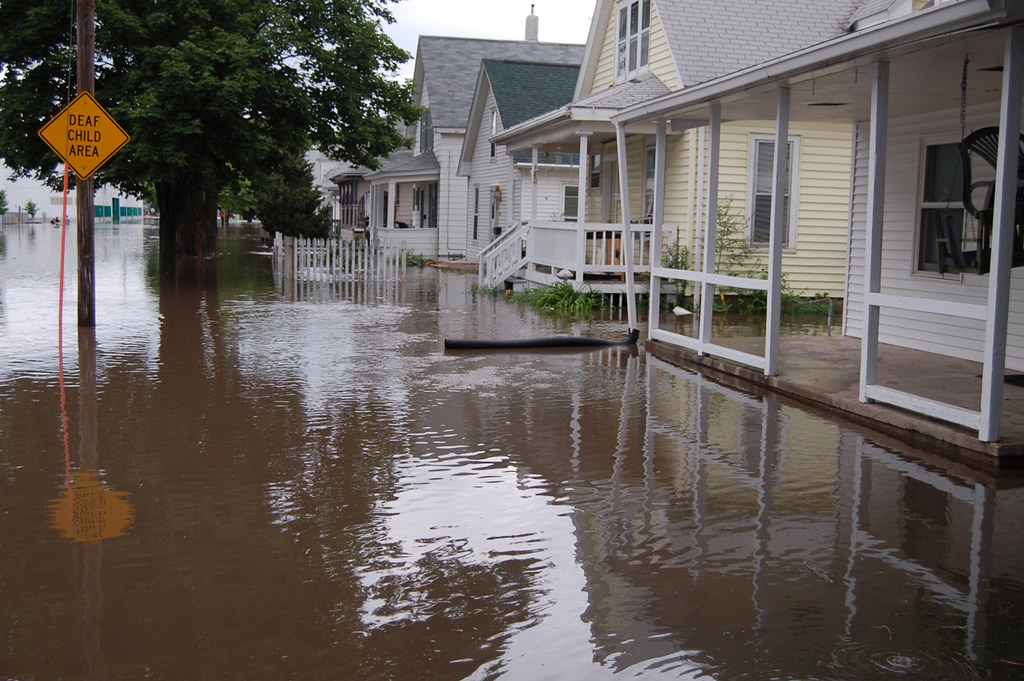
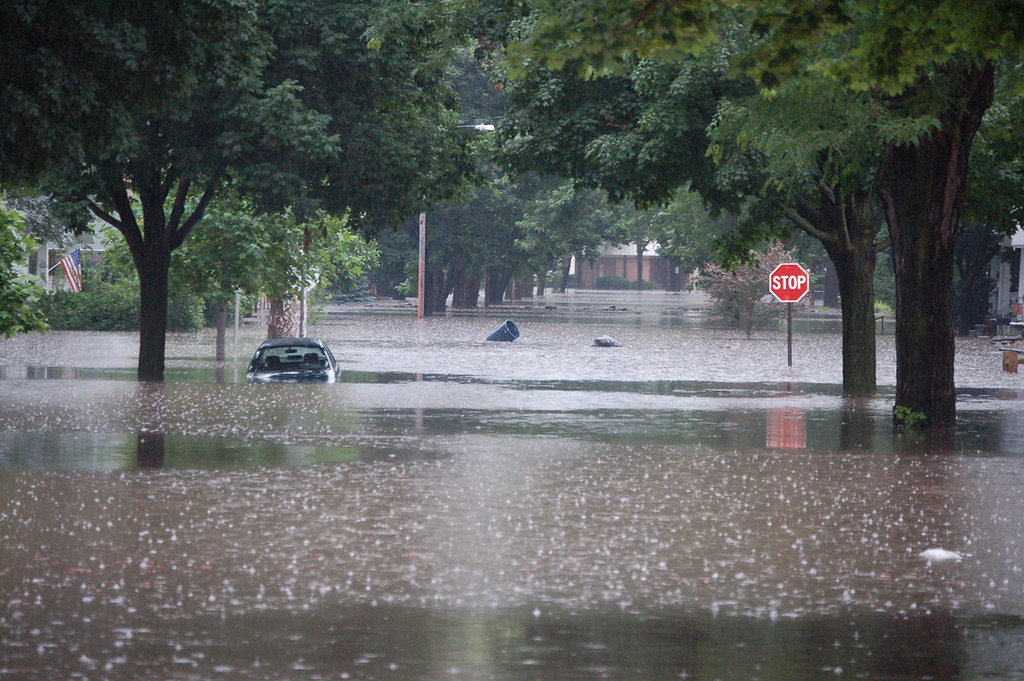
Flash flooding in high-desert communities like Castle Dale and Ferron moves fast and hits hard. During this event, many properties experienced:
- Rapid water intrusion through doors, foundations, and low-lying entry points
- Saturated flooring, drywall, and insulation within hours
- Mud and debris deposits that complicated cleanup
- Concern about mold growth beginning within 24–48 hours of water exposure
- Structural questions in properties where water pooled for extended periods
What Affected Residents Were Advised to Do — And Why It Mattered
In the hours and days following the flood warning, DRT guided property owners through the following critical steps. If you experienced damage during this event and haven't completed these steps, it's not too late — but act quickly.
- Prioritize your family's safety above all else. No property is worth risking injury. Before re-entering any flooded structure, confirm that utilities were shut off and the building was structurally sound.
- Document all damage thoroughly with photos and video. A complete visual record taken as close to the flood event as possible strengthened insurance claims and helped DRT assess the full scope of damage.
- Avoid entering structurally compromised areas. Floodwater weakens floors, walls, and foundations in ways that aren't always visible. When in doubt, wait for a professional assessment.
- Contact your insurance company promptly. Early notification preserved claim eligibility for many homeowners. DRT worked directly with adjusters to streamline the process.
- Call DRT for professional restoration. Rapid water extraction and structural drying within the first 24–48 hours was the single most effective factor in preventing secondary mold and structural damage.
Still dealing with damage from this event? Call DRT: 385-287-6344
How DRT Responded
DRT mobilized 24/7 emergency response teams as the warning was issued and remained on the ground throughout the recovery period. Services provided during and after the July 2026 event included:
- Emergency water extraction — removing standing water before saturation caused irreversible damage
- Structural drying — industrial-grade dehumidification and air movement to dry walls, floors, and cavities
- Board-up and securing — protecting compromised structures from additional weather exposure
- Mold remediation — addressing mold that developed in properties where moisture wasn't fully controlled in the critical early window
- Smoke and soot removal — for properties that experienced secondary fire-related damage
- Full rebuild coordination — managing repairs from initial remediation through finished reconstruction
- Direct insurance coordination — DRT worked with insurance carriers on behalf of property owners to document, scope, and process claims
Lessons Learned: What the July 2026 Flood Taught Castle Dale
Every flood event leaves behind hard-won knowledge. Here is what this community — and DRT — took away from the July 2026 flash flood response:
1. The First 48 Hours Determined Long-Term Outcomes
Properties where water extraction began within 24 hours had dramatically better outcomes than those where remediation was delayed even by a day or two. Mold can begin colonizing saturated materials within 24–48 hours. Speed was not optional — it was the difference between a restoration job and a full gut-and-rebuild.
2. Documentation Saved Claims — Lack of It Complicated Them
Homeowners who photographed and video-recorded damage before any cleanup began had smoother, faster insurance experiences. Those who cleaned up first and documented later faced more friction. The lesson: document before you touch anything.
3. Mud and Debris Concealed Deeper Damage
Flash floods in this region carry heavy sediment. In several properties, mud deposits masked water intrusion into wall cavities and under flooring. Professional assessment — not just surface-level cleanup — was essential to catching damage that would have become a major problem months later.
4. High-Desert Communities Face Unique Flash Flood Risks
Castle Dale, Ferron, and Green River sit in terrain where dry washes and hardpan soil can channel enormous water volumes with very little warning. Standard flood preparation advice written for other regions doesn't always apply. Local knowledge matters — and so does a restoration partner who understands the regional landscape.
5. Having a Restoration Contact Before Disaster Strikes Makes a Difference
Property owners who already knew DRT's number called within minutes of the warning. Those searching for help in the chaos of an active event lost valuable time. Save the number now: 385-287-6344.
6. Insurance Coordination Is a Skill — Not All Restoration Companies Offer It
Several property owners came to DRT after initially working with contractors who left them to navigate insurance alone. DRT's direct coordination with adjusters — handling documentation, scoping, and communication — proved to be one of the most valued parts of the recovery process.
DRT Has Been Through This Before — And We'll Be Here Next Time
The Disaster Repair Team is not a national call center dispatching unfamiliar crews. We are a local restoration company with deep experience serving Castle Dale, Ferron, Green River, and the broader Emery County area. We have responded to flooding, fire, and severe weather events throughout this region — and we know the terrain, the building stock, and the insurance landscape here.
When the next flash flood warning goes out, we will be ready. And if you are still dealing with the aftermath of the July 2026 event — or any previous flood damage — we are available 24/7.
Get Help Now
Whether you're in the middle of a recovery or still managing unresolved damage, DRT is ready to help.
Call us 24/7: 385-287-6344
We provide free damage assessments, work directly with your insurance company, and handle everything from initial water extraction through full property restoration.
Serving Castle Dale, Ferron, Green River, and surrounding Emery County communities.
```Most homeowner policies cover sudden water damage (burst pipes, appliance failures). Natural flooding typically requires separate flood insurance. Either way, DRT documents everything from day one — moisture readings, photos, scope of work — so your claim is supported whether it goes through your standard policy or a flood policy.
Frequently Asked Questions
How quickly does mold grow after flooding?
Will my homeowner's insurance cover flood damage restoration?
What should I NOT do after my home floods?
How quickly can DRT respond?
Do I need to file my insurance claim before calling DRT?
DRT serves Castle Dale and surrounding areas. View our full Castle Dale service area page for more about our restoration services in your area, or browse all service areas.
Need Help Now?
The Disaster Repair Team provides 24/7 emergency restoration services across Utah.
Request Help Online