Emergency Flood & Water Damage Restoration - Cedar City (Cedar City & St. George Flash Flood Warning)
- Recovery resources and next steps
- Insurance claim guidance
- Lessons learned for future prevention
- Professional restoration support
Mold can start growing within 24–48 hours of water exposure. Fast extraction and drying dramatically reduce secondary damage and health risks.
Live Conditions
Real-time weather radar for Utah
How DRT Helped Cedar City Recover from the July 2026 Flash Flood — A Local Recovery Case Study
Serving Cedar City, St. George, and Surrounding Communities
On July 16, 2026, the National Weather Service Salt Lake City issued a Flash Flood Warning for the Cedar City area, effective from 4:51 PM MDT through 8:00 PM MDT. In the hours and days that followed, homes and businesses throughout the region sustained water intrusion, structural damage, and the secondary effects that come with any significant flooding event.
The Disaster Repair Team (DRT) responded immediately — deploying crews, coordinating with insurance adjusters, and guiding Cedar City families through every stage of recovery. This page documents what happened, what worked, and what property owners can learn if they ever face a similar situation.
If you're dealing with flood damage right now, we've been through this before and we're ready to help.
Call DRT 24/7: 385-287-6344
What Happened: The July 2026 Flash Flood Warning
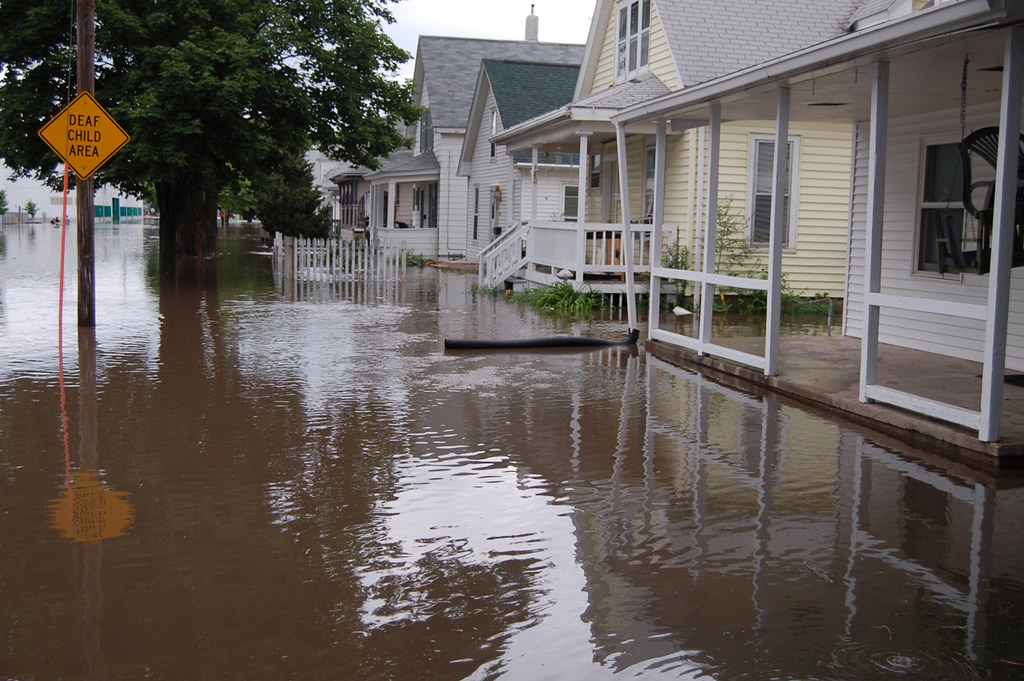
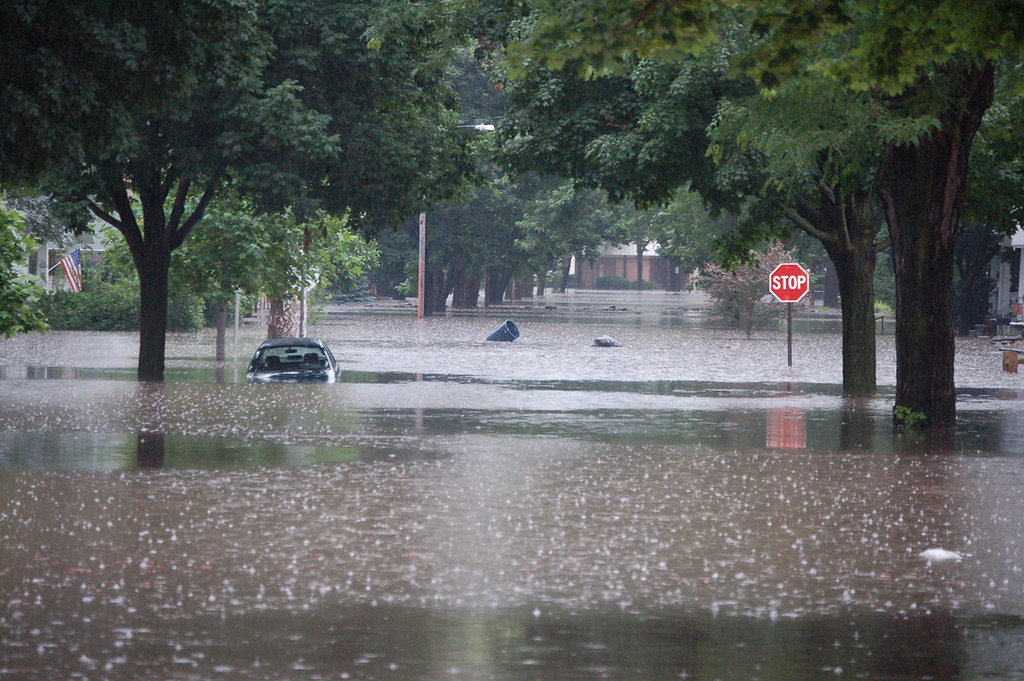
The warning issued by NWS Salt Lake City gave residents a narrow window to prepare. Flash floods in the Cedar City area move quickly — water entered properties within minutes of the warning, leaving little time for homeowners to act before damage was already underway. Low-lying areas, properties near washes, and homes with below-grade spaces were among the most heavily affected.
DRT crews were staged and responding before the warning had even expired. Within 24 hours, we had completed initial assessments across multiple affected properties and began the water extraction and structural drying process that is critical to preventing long-term mold and structural damage.
What Homeowners and Businesses Did Right: A Post-Flood Action Guide
Based on our experience responding to the July 2026 event — and floods throughout Cedar City and St. George over the years — here is what property owners who fared best had in common:
- They prioritized family safety first. No property is worth risking a life. Residents who waited for floodwaters to recede before re-entering their homes avoided dangerous and potentially fatal situations.
- They documented everything immediately. Photos and video taken in the first hours after flooding — before any cleanup began — proved invaluable during insurance claims. Comprehensive documentation meant fewer disputes and faster settlements.
- They stayed out of structurally compromised areas. Flood damage can weaken floors, walls, and foundations in ways that aren't always visible. Waiting for a professional assessment before re-entering damaged spaces prevented additional injuries.
- They contacted their insurance company early. Notifying insurers quickly opened the claims process sooner and gave adjusters the time they needed to respond while damage was still fresh and visible.
- They called DRT without delay. The first 24–48 hours after flooding are the most critical window for limiting damage. Property owners who called us early experienced significantly less secondary damage — including mold — than those who waited.
Dealing with flood damage? Call DRT now: 385-287-6344
How DRT Responded: Our Services During the July 2026 Recovery
During and after the July 2026 flash flood, DRT provided the full range of emergency restoration services Cedar City property owners needed:
- 24/7 Emergency Response — Crews were on-site within hours of the first calls
- Water Extraction — Industrial-grade equipment removed standing water quickly to limit absorption into building materials
- Structural Drying — Dehumidifiers and air movers were deployed to dry walls, floors, and substructures before mold could take hold
- Board-Up and Securing — Properties with compromised windows, doors, or entry points were secured against further damage
- Mold Remediation — For properties where moisture had already begun promoting mold growth, we performed full remediation to restore safe indoor air quality
- Smoke and Soot Removal — Where secondary fire-related damage occurred, we addressed those issues as part of the full restoration scope
- Full Rebuild Coordination — From drywall and flooring to full structural repairs, DRT managed the rebuild process end to end
- Direct Insurance Coordination — We worked directly with insurance companies on behalf of our clients, reducing stress and helping ensure fair claim outcomes
Lessons Learned: What the July 2026 Flood Taught Cedar City Property Owners
Every disaster leaves behind knowledge that can protect the next community, the next neighborhood, or the next homeowner. Here is what we — and the property owners we worked with — took away from the July 2026 event:
- Flash flood warnings are not something to wait on. The window between a warning and water in your home can be measured in minutes. Having an emergency contact — like DRT — already saved in your phone means one less decision to make under pressure.
- The first 48 hours determine the long-term outcome. Properties where water extraction and drying began quickly avoided the mold infestations and structural issues that plagued properties where response was delayed by even a day or two.
- Documentation is your strongest insurance tool. Homeowners who photographed and video-recorded every affected room, every damaged item, and every visible water line received faster and more complete insurance payouts.
- Cedar City's geography creates predictable risk zones. Properties near natural drainage channels, washes, and lower elevations face recurring risk. Knowing your property's vulnerability before a warning is issued lets you prepare rather than react.
- Having a restoration team that knows the area matters. DRT is local. We understand the Cedar City and St. George terrain, we have relationships with local adjusters, and we've seen what these storms do to the specific building types in this region. That experience translated into faster, better outcomes for our clients.
- Restoration is a process, not a single event. Many property owners underestimated how long full recovery would take. Working with a team that manages the full scope — from emergency response through final rebuild — reduced confusion, delays, and gaps in communication.
If You're Facing Flood Damage Today
Whether you're recovering from a recent storm or preparing for the next one, DRT is the experienced local team Cedar City and St. George property owners have trusted through events like the July 2026 flood. We provide 24/7 emergency restoration services, work directly with your insurance company, and handle everything from water extraction to full rebuild.
We've been through this before. We know what to do. And we're ready to help you.
Call DRT 24/7 — Cedar City & St. George: 385-287-6344
```Most homeowner policies cover sudden water damage (burst pipes, appliance failures). Natural flooding typically requires separate flood insurance. Either way, DRT documents everything from day one — moisture readings, photos, scope of work — so your claim is supported whether it goes through your standard policy or a flood policy.
Frequently Asked Questions
How quickly does mold grow after flooding?
Will my homeowner's insurance cover flood damage restoration?
What should I NOT do after my home floods?
How quickly can DRT respond?
Do I need to file my insurance claim before calling DRT?
DRT serves Cedar City and surrounding areas. View our full Cedar City service area page for more about our restoration services in your area, or browse all service areas.
Need Help Now?
The Disaster Repair Team provides 24/7 emergency restoration services across Utah.
Request Help Online