July 2026 Flash Flood Warning — Cedar City, St. George — Emergency Restoration
- Recovery resources and next steps
- Insurance claim guidance
- Lessons learned for future prevention
- Professional restoration support
Mold can start growing within 24–48 hours of water exposure. Fast extraction and drying dramatically reduce secondary damage and health risks.
Live Conditions
Real-time weather radar for Utah
- Do NOT stand in water near electrical outlets or appliances
- Shut off main water supply if the source is a pipe or appliance
- Turn off electricity to affected areas at the breaker — only if safe to reach
- Do NOT use household vacuums on standing water
- Move to higher ground if water is rising rapidly
How DRT Helped Utah Recover from the July 2026 Flash Flood Warning — Cedar City & St. George
A Case Study in Community Recovery | Flash Flood Warning Issued July 16, 2026 at 4:51 PM MDT by NWS Salt Lake City, UT
When the National Weather Service issued a Flash Flood Warning for southern Utah on the evening of July 16, 2026, homeowners and businesses across Cedar City and St. George faced a sudden and stressful situation. The Disaster Repair Team (DRT) mobilized immediately and worked alongside affected residents throughout the recovery process. This page documents what happened, how we helped, and what the community learned — so you can be better prepared if it happens again.
If you are currently dealing with flood damage, we are ready to help now. Call us 24/7: 385-287-6344
What the July 2026 Flash Flood Affected
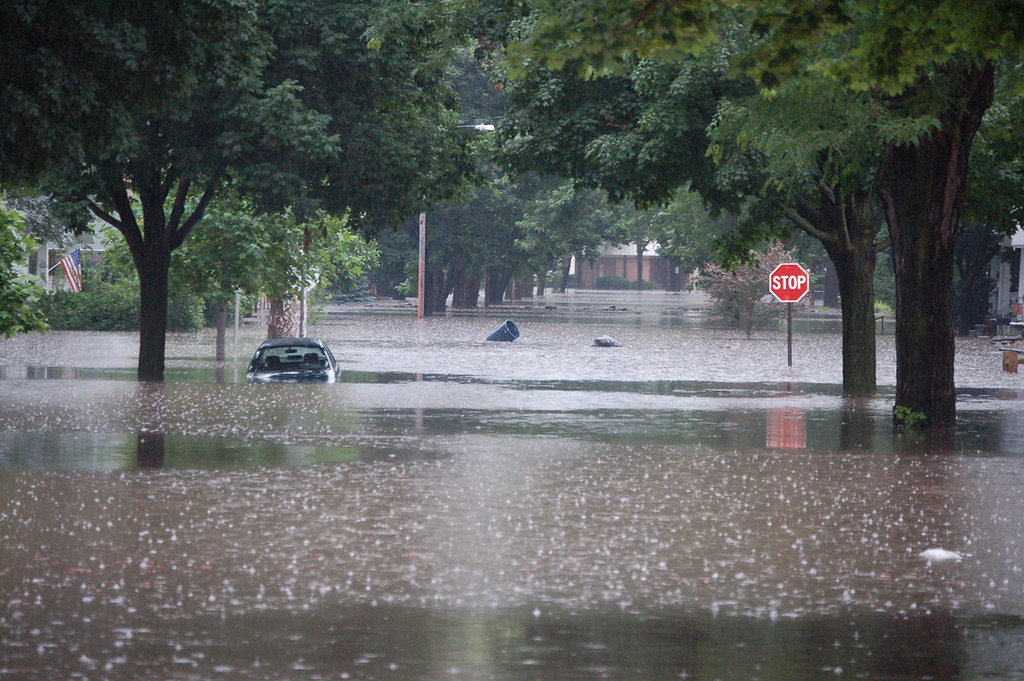
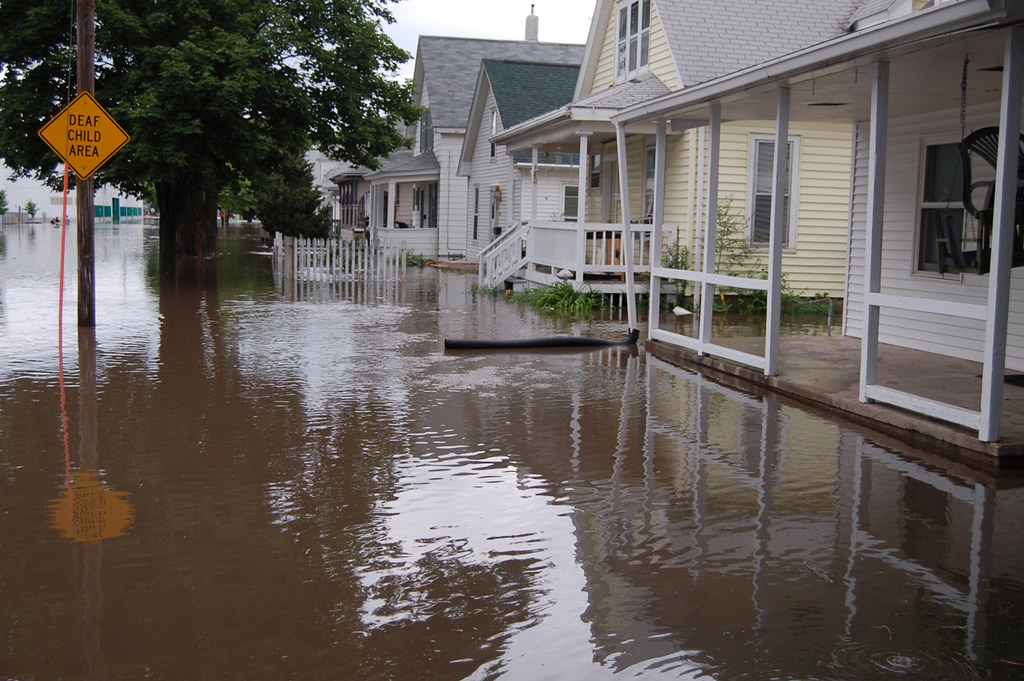
The flash flood warning, active from 4:51 PM to 8:00 PM MDT on July 16, 2026, brought rapid water intrusion to residential neighborhoods and commercial properties across the Cedar City and St. George areas. Basement flooding, compromised crawl spaces, waterlogged flooring, and structural saturation were among the most common issues DRT crews encountered in the days and weeks that followed.
What Affected Residents Did Right: A Post-Flood Checklist
The homeowners and business owners who fared best in the recovery process followed these critical steps immediately after the floodwaters receded. If you are dealing with flood damage now or in the future, this checklist applies:
- Prioritized family safety first — Residents who waited for official all-clear signals before re-entering their homes avoided injury from compromised structures and hidden hazards.
- Documented all damage thoroughly — Photos and video taken before any cleanup began proved essential for insurance claims and restoration planning.
- Avoided structurally compromised areas — Waterlogged floors, sagging ceilings, and destabilized foundations were common. Staying out of unsafe areas prevented additional injuries.
- Contacted their insurance company promptly — Early notification helped expedite claims and ensured restoration costs were properly covered.
- Called DRT for professional restoration — Fast response is critical to preventing secondary damage like mold growth. Residents who called quickly saw significantly better outcomes.
Dealing with flood damage right now? Call DRT 24/7: 385-287-6344
How DRT Responded: Our Services During the July 2026 Recovery
DRT crews were on the ground in Cedar City and St. George within hours of the warning lifting. Our teams provided comprehensive restoration services that took affected properties from crisis to fully restored, including:
- Emergency water extraction — Rapid removal of standing water to minimize structural saturation and reduce mold risk
- Structural drying — Industrial dehumidifiers and air movers deployed to dry walls, subfloors, and framing
- Board-up and property securing — Protecting compromised structures from further weather exposure or unauthorized entry
- Mold remediation — Addressing mold growth that developed in the days following water intrusion
- Smoke and soot removal — For properties where secondary hazards were present
- Full rebuild coordination — Managing the restoration process from initial damage through complete reconstruction
- Direct insurance coordination — Working with adjusters on behalf of property owners to simplify the claims process
DRT has served Utah communities through numerous flood and disaster events. When southern Utah needed help in July 2026, we had already been through this before — and that experience made a measurable difference for our clients.
Ready to start your restoration? Call DRT now: 385-287-6344
Lessons Learned: What the July 2026 Flood Taught Utah Homeowners
Every disaster leaves the community with hard-won knowledge. Here is what we learned — and what you should know before the next storm arrives:
- Speed is everything after a flood. The difference between a straightforward water extraction and a full mold remediation project is often just 24–48 hours. Residents who called DRT the same evening their homes flooded consistently had better outcomes than those who waited to assess damage on their own.
- Flash floods in southern Utah can be deceptively fast. The July 2026 event proved that even a 3-hour warning window can result in significant property damage. Having a plan — and a restoration company's number saved in your phone — matters.
- Insurance documentation starts before cleanup, not after. Many residents learned the importance of photographing and videoing every affected area before touching anything. Adjusters rely heavily on this visual record.
- DIY drying is rarely sufficient. Household fans and dehumidifiers cannot achieve the moisture removal levels needed to prevent mold in structural materials. Professional equipment and moisture mapping are essential.
- Your restoration company should work with your insurer, not against them. DRT's direct communication with insurance carriers removed significant stress from the process for Cedar City and St. George homeowners during this event.
- Southern Utah's soil and drainage conditions amplify flash flood risk. The region's hardpan soil and canyon topography mean that heavy rain events translate rapidly into property-threatening water intrusion. Understanding local risk factors helps homeowners prepare.
DRT Is Southern Utah's Experienced Restoration Team
The July 2026 flash flood was not the first time DRT responded to a disaster in Cedar City or St. George — and it will not be the last. We know this region, its weather patterns, its building stock, and its communities. When the next event happens, we will be ready again.
If your home or business has been affected by flooding, water damage, or any other disaster, do not wait. Call DRT 24/7 and speak directly with a local restoration professional who has been through this before.
Call DRT now: 385-287-6344
We provide free damage assessments, work directly with your insurance company, and have crews available around the clock. Southern Utah trusts DRT because we have shown up — every time.
```Affected Areas
Select a city for location-specific emergency information and restoration resources.
What to Expect When You Call
Here's how DRT responds to emergency calls:
Need Help Now?
The Disaster Repair Team provides 24/7 emergency restoration services across Utah.
Request Help Online