Emergency Flood & Water Damage Restoration - St. George (Cedar City & St. George Flash Flood Warning)
- Recovery resources and next steps
- Insurance claim guidance
- Lessons learned for future prevention
- Professional restoration support
Mold can start growing within 24–48 hours of water exposure. Fast extraction and drying dramatically reduce secondary damage and health risks.
Live Conditions
Real-time weather radar for Utah
How DRT Helped St. George Recover from the July 2026 Flash Flood Warning
A Recovery Case Study & Resource Guide | Serving Cedar City, St. George, and Surrounding Communities
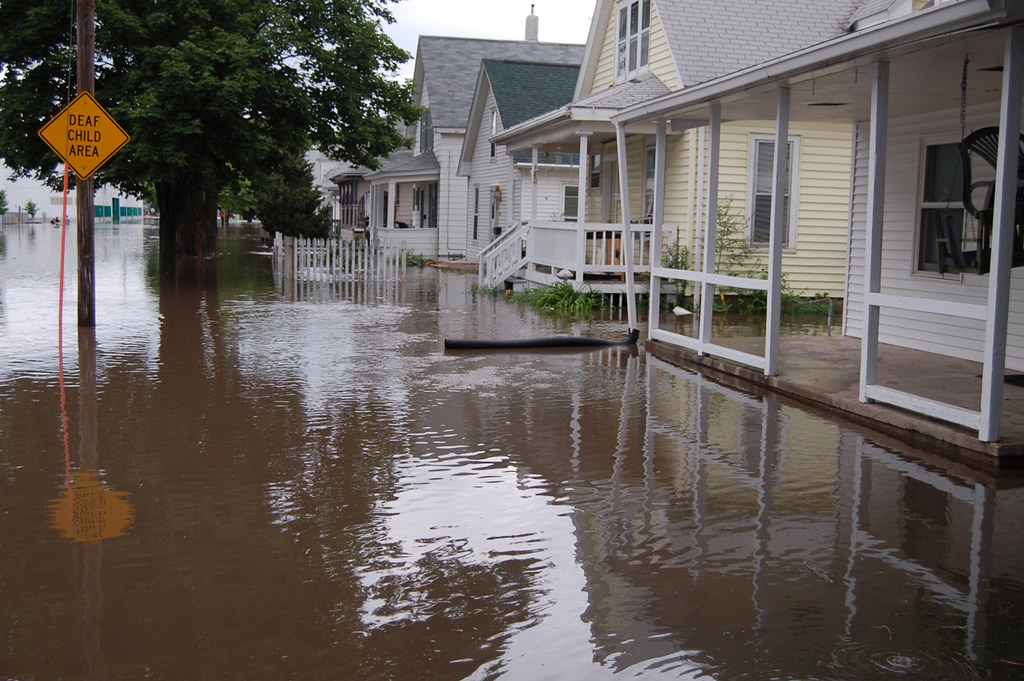
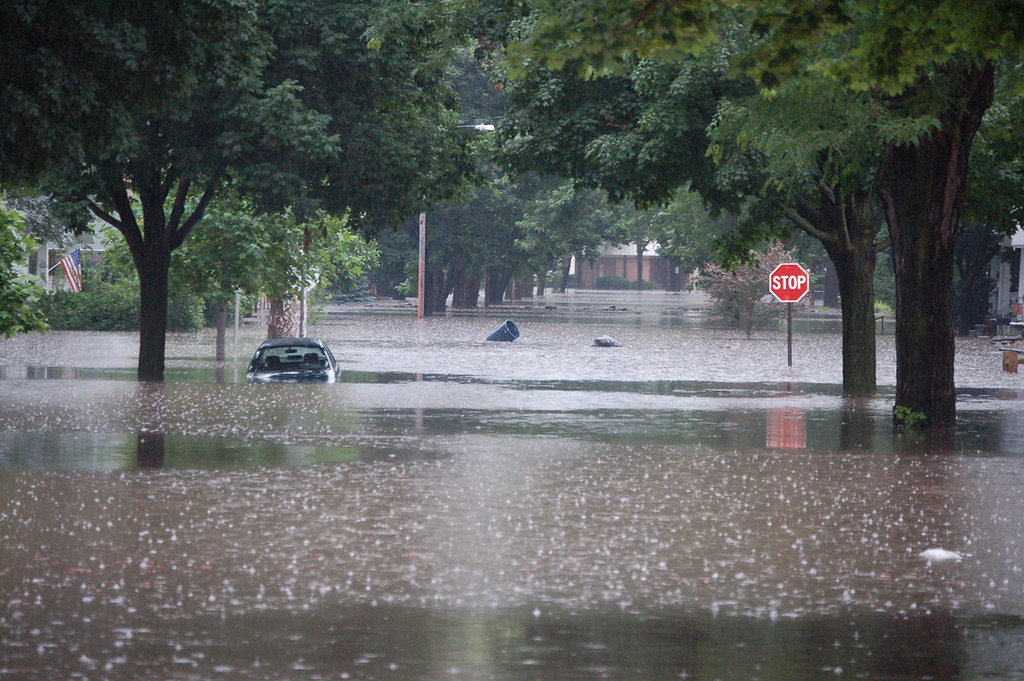
On July 16, 2026, the National Weather Service Salt Lake City issued a Flash Flood Warning for the St. George area at 4:51 PM MDT, with the event running through 8:00 PM MDT. When floodwaters moved through the region, homes and businesses were left with water damage, structural concerns, and a long road to recovery. The Disaster Repair Team (DRT) responded immediately — and this guide documents what happened, what worked, and what property owners can take away from the experience.
If you are still dealing with damage from this event or a similar flood, our team is standing by 24/7.
Call now: 385-287-6344
What Affected Residents and Business Owners Did — and What You Should Do After a Flood
In the immediate aftermath of the July 2026 flash flood, the property owners who fared best were those who acted quickly and methodically. Here is the step-by-step approach that proved most effective:
- Prioritized family and personal safety first — Before assessing damage, residents ensured all family members were accounted for and clear of any flood-affected areas.
- Documented all damage with photos and video — Thorough documentation taken before any cleanup began became critical evidence for insurance claims and restoration scoping.
- Avoided structurally compromised areas — Floodwater weakens foundations, floors, and walls. Residents were advised not to enter areas showing signs of structural damage until a professional had assessed them.
- Contacted their insurance company promptly — Early notification helped expedite claims and allowed DRT to work directly with adjusters on the affected properties' behalf.
- Called DRT for emergency restoration — Reaching out to a local, experienced restoration team as early as possible minimized secondary damage such as mold growth and structural deterioration.
Need help now following a flood? Call DRT 24/7: 385-287-6344
How DRT Responded: Services Deployed During the July 2026 Recovery
DRT crews mobilized across the St. George and Cedar City areas within hours of the warning being issued. The full scope of services deployed during this event included:
- Emergency water extraction — Standing water was removed quickly to prevent further absorption into flooring, walls, and structural materials.
- Structural drying — Industrial drying equipment was placed throughout affected structures to eliminate moisture before mold could take hold.
- Board-up and property securing — Compromised entry points were secured to protect properties from additional weather exposure and unauthorized entry.
- Mold remediation — In cases where response was delayed or moisture had penetrated deeply, DRT handled full mold assessment and remediation.
- Smoke and soot removal — Where secondary fire or electrical damage occurred alongside flooding, DRT addressed all restoration needs under one coordinated response.
- Full rebuild coordination — DRT managed the restoration process from initial emergency response through complete structural rebuild, working as a single point of contact for homeowners and insurers alike.
- Direct insurance coordination — DRT worked side-by-side with insurance adjusters, reducing the administrative burden on property owners during an already stressful time.
Lessons Learned from the July 2026 Flash Flood
Having worked through this event and many others across Southern Utah, DRT's team came away with clear takeaways that every property owner in flood-prone areas should know:
1. Speed Is the Single Biggest Factor in Damage Outcomes
Properties where restoration began within the first 24 to 48 hours saw dramatically better outcomes than those where action was delayed. Water moves fast — but mold, rot, and structural damage move faster than most people expect once moisture is left unchecked.
2. Documentation Can Make or Break an Insurance Claim
Homeowners who photographed and video-recorded damage before touching anything had smoother, faster insurance experiences. Timestamped photos from multiple angles — including inside cabinets, closets, and beneath sinks — made a measurable difference in claim outcomes.
3. Flash Floods in St. George and Cedar City Carry Unique Risks
Southern Utah's desert terrain means water has nowhere to absorb quickly. Runoff moves fast, carries debris, and can deposit sediment and contaminants into homes that ordinary water damage does not. This requires specialized extraction and cleaning protocols — not just standard water removal.
4. DIY Drying Is Rarely Sufficient
Several property owners who attempted to dry their homes with fans and household dehumidifiers discovered weeks later that moisture had remained trapped in walls and subfloors, leading to mold problems that were more costly to remediate than the original water damage would have been.
5. Having a Local Team Already Familiar with the Area Matters
DRT's familiarity with St. George and Cedar City — local building styles, soil conditions, drainage patterns, and regional insurance norms — allowed for faster scoping and more accurate restoration planning. Working with a local team that has responded to events in your specific community is a meaningful advantage over national chains dispatching unfamiliar crews.
6. Preparation Before the Next Event Reduces Recovery Time
Homeowners who had already saved their insurance policy numbers, documented pre-flood conditions of their property, and knew who to call were able to begin the recovery process hours sooner than those who had to gather that information under stress.
DRT: Southern Utah's Experienced Local Restoration Team
The July 2026 flash flood was not the first time DRT responded to an emergency in St. George or Cedar City — and it will not be the last. We have built our processes, our equipment inventory, and our local knowledge specifically around the kinds of weather events that affect Southern Utah: flash floods, monsoon moisture, high desert storms, and more.
When the next warning is issued, we will be ready. And if you are still working through damage from a past event, it is not too late to call. Moisture and mold issues discovered weeks or months after a flood are well within our scope, and we are here to help you finish the recovery the right way.
Call DRT anytime — 24/7 emergency and non-emergency restoration:
385-287-6344
We work directly with your insurance company, respond locally, and have been through this before. Let us put that experience to work for you.
```Most homeowner policies cover sudden water damage (burst pipes, appliance failures). Natural flooding typically requires separate flood insurance. Either way, DRT documents everything from day one — moisture readings, photos, scope of work — so your claim is supported whether it goes through your standard policy or a flood policy.
Frequently Asked Questions
How quickly does mold grow after flooding?
Will my homeowner's insurance cover flood damage restoration?
What should I NOT do after my home floods?
How quickly can DRT respond?
Do I need to file my insurance claim before calling DRT?
DRT serves St. George and surrounding areas. View our full St. George service area page for more about our restoration services in your area, or browse all service areas.
Need Help Now?
The Disaster Repair Team provides 24/7 emergency restoration services across Utah.
Request Help Online