Emergency Flood & Water Damage Restoration — Hurricane
- Recovery resources and next steps
- Insurance claim guidance
- Lessons learned for future prevention
- Professional restoration support
Mold can start growing within 24–48 hours of water exposure. Fast extraction and drying dramatically reduce secondary damage and health risks.
Live Conditions
Real-time weather radar for Utah
How DRT Helped Hurricane, Ivins, Santa Clara & Surrounding Communities Recover from the July 2026 Flash Flood Warning
A Case Study & Recovery Resource from the Disaster Repair Team
About This Event
On July 23, 2026, the National Weather Service in Salt Lake City issued a Flash Flood Warning for the Hurricane area from 6:37 PM MDT through 9:45 PM MDT. Communities across Washington County — including Hurricane, Ivins, Santa Clara, and neighboring areas — experienced rapid flooding that caught many homeowners and business owners off guard.
The Disaster Repair Team (DRT) mobilized immediately and worked alongside affected residents in the hours, days, and weeks that followed. This page documents what happened, what we learned, and how we can help anyone still dealing with the aftermath — or preparing for the next storm.
If you're still dealing with flood damage from this event or any other, we're ready to help now. Call us 24/7: 385-287-6344
What Homeowners and Businesses Faced
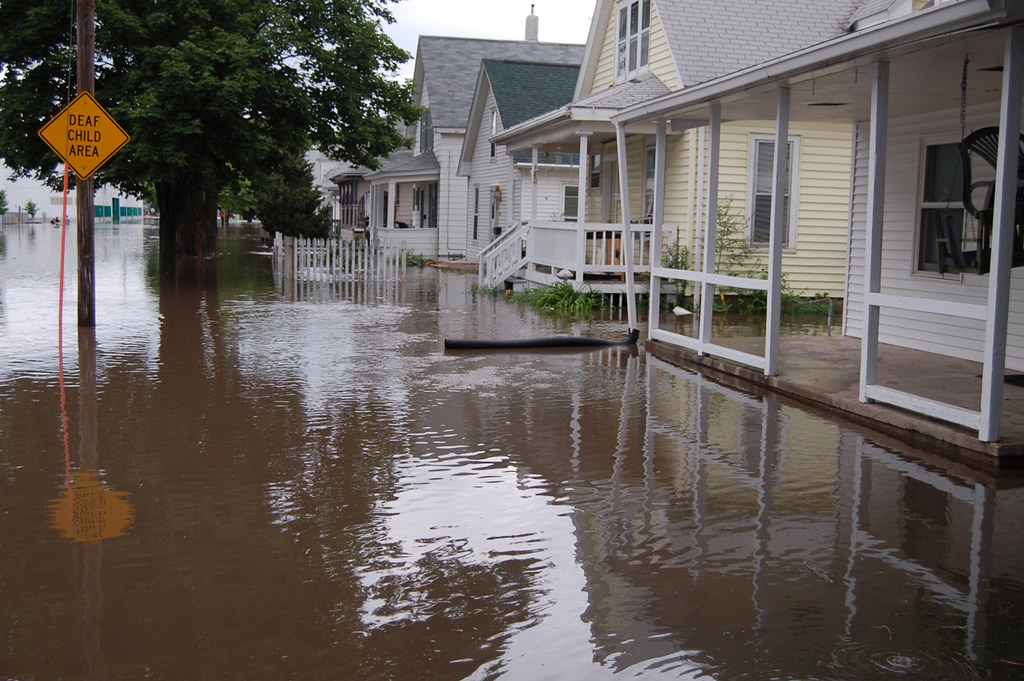
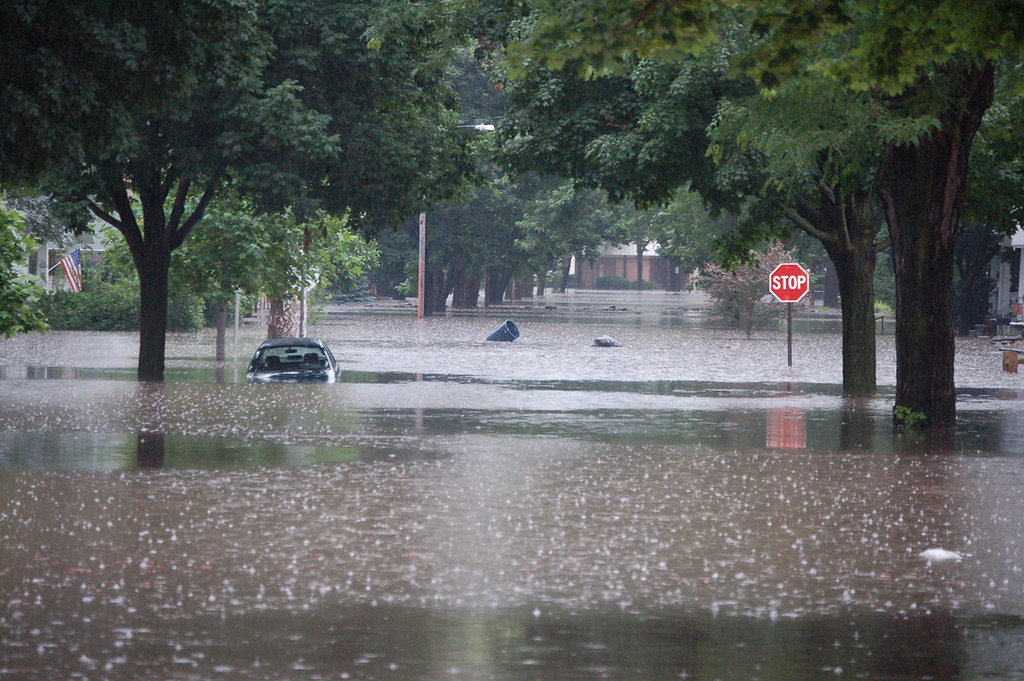
Flash floods in the St. George and Hurricane valley area move fast. Unlike slow-rising river floods, the desert terrain funnels stormwater rapidly into neighborhoods, parking lots, and structures. During the July 2026 event, many residents had little warning before water entered their homes. The damage ranged from flooded garages and crawl spaces to compromised foundations and saturated drywall — problems that worsen significantly if not addressed within the first 24–72 hours.
What to Do After a Flash Flood — The Steps That Mattered Most
Based on our response to the July 2026 event and dozens of similar flood jobs throughout Washington County, here is the action plan we walked every client through:
- Confirm your family's safety first. No property is worth risking injury. Floodwater can hide downed power lines, structural damage, and contamination.
- Document everything before cleanup begins. Photos and video of all damage — walls, flooring, belongings, exterior — are critical for insurance claims. Date-stamp everything.
- Avoid structurally compromised areas. Saturated drywall, buckled flooring, and weakened subfloors can give way without warning.
- Contact your insurance company as soon as possible. Starting the claims process early helps avoid delays in getting restoration work approved and covered.
- Call DRT right away — even if you're not sure of the extent of the damage. Moisture migrates fast. What looks minor on the surface can mean significant hidden damage inside walls and under floors. Early extraction and drying prevents mold from taking hold.
Ready to talk to our team? Call 24/7: 385-287-6344
How DRT Responded
When the July 2026 warning was issued, DRT was already monitoring the NWS alert. Our crews were staged and ready to respond before the warning period ended. In the days that followed, we provided the full range of emergency restoration services to homes and businesses across the Hurricane valley:
- Emergency water extraction and surface drying
- Structural drying with commercial-grade dehumidifiers and air movers
- Moisture mapping and thermal imaging to find hidden water intrusion
- Board-up and tarping where structural openings were exposed
- Mold remediation for properties where response was delayed
- Smoke and soot removal where secondary damage occurred
- Full rebuild coordination — from insulation and drywall to flooring and paint
- Direct insurance billing and claims documentation support
We worked directly with homeowners' insurance companies throughout the process, helping clients navigate the claims process and get restoration work covered without unnecessary delays.
Lessons Learned from the July 2026 Flash Flood
Every disaster job teaches us something. Here is what the July 2026 event reinforced for our team — and what we now share with every client in Washington County:
1. The 72-Hour Window Is Real
Mold can begin to colonize in as little as 24–72 hours in a moist environment. Several homeowners who waited to "see how bad it was" ended up with significantly more extensive remediation work than those who called immediately. Time matters more than most people realize.
2. Desert Flooding Is Deceptive
Many residents in the Hurricane and Santa Clara area were caught off guard because the storm didn't look severe overhead — the water came from upstream drainage and overland flow. Flash floods in this region can strike even when it's not raining at your exact location.
3. Crawl Spaces and Garages Are Easy to Miss
In the July 2026 response, some of the worst hidden moisture damage was in spaces homeowners hadn't fully inspected — crawl spaces, attached garages, and utility areas. These spaces became incubators for mold when left unaddressed.
4. Insurance Documentation Done Right Makes a Big Difference
Clients who had thorough photo documentation and who called their insurance company within the first 24 hours consistently had smoother, faster claims experiences. Those who delayed — even by a day or two — sometimes faced questions about the timeline and extent of damage.
5. Having a Local Team Already Familiar with Your Area Speeds Everything Up
DRT is based in Washington County. We know the drainage patterns, the building styles common in Hurricane and Ivins, and the specific challenges of restoring homes in a high-desert climate. That local knowledge translated into faster assessments, better drying strategies, and fewer surprises during rebuild.
Still Dealing with Damage from This Event — or Any Storm?
If your home or business experienced flooding during the July 2026 event and you are still dealing with lingering moisture, mold concerns, structural issues, or an unresolved insurance claim, DRT can help. We have worked on properties weeks and months after initial flood events and know how to assess and remediate delayed or secondary damage.
We also remain the team Washington County calls when the next storm comes.
Call us any time, day or night: 385-287-6344
We provide 24/7 emergency and non-emergency restoration services. We work directly with your insurance company and handle the full scope of work from initial extraction through final rebuild.
DRT — Disaster Repair Team — serving Hurricane, Ivins, Santa Clara, St. George, and all of Washington County, Utah.
```Most homeowner policies cover sudden water damage (burst pipes, appliance failures). Natural flooding typically requires separate flood insurance. Either way, DRT documents everything from day one — moisture readings, photos, scope of work — so your claim is supported whether it goes through your standard policy or a flood policy.
Frequently Asked Questions
How quickly does mold grow after flooding?
Will my homeowner's insurance cover flood damage restoration?
What should I NOT do after my home floods?
How quickly can DRT respond?
Do I need to file my insurance claim before calling DRT?
DRT serves Hurricane and surrounding areas. View our full Hurricane service area page for more about our restoration services in your area, or browse all service areas.
Need Help Now?
The Disaster Repair Team provides 24/7 emergency restoration services across Utah.
Request Help Online