July 2026 Flash Flood Warning — Hurricane, Ivins, Santa Clara & more — Emergency Restoration
- Recovery resources and next steps
- Insurance claim guidance
- Lessons learned for future prevention
- Professional restoration support
Mold can start growing within 24–48 hours of water exposure. Fast extraction and drying dramatically reduce secondary damage and health risks.
Live Conditions
Real-time weather radar for Utah
- Do NOT stand in water near electrical outlets or appliances
- Shut off main water supply if the source is a pipe or appliance
- Turn off electricity to affected areas at the breaker — only if safe to reach
- Do NOT use household vacuums on standing water
- Move to higher ground if water is rising rapidly
How DRT Helped Utah Recover from the July 2026 Flash Flood Warning — Hurricane, Ivins, Santa Clara & Surrounding Areas
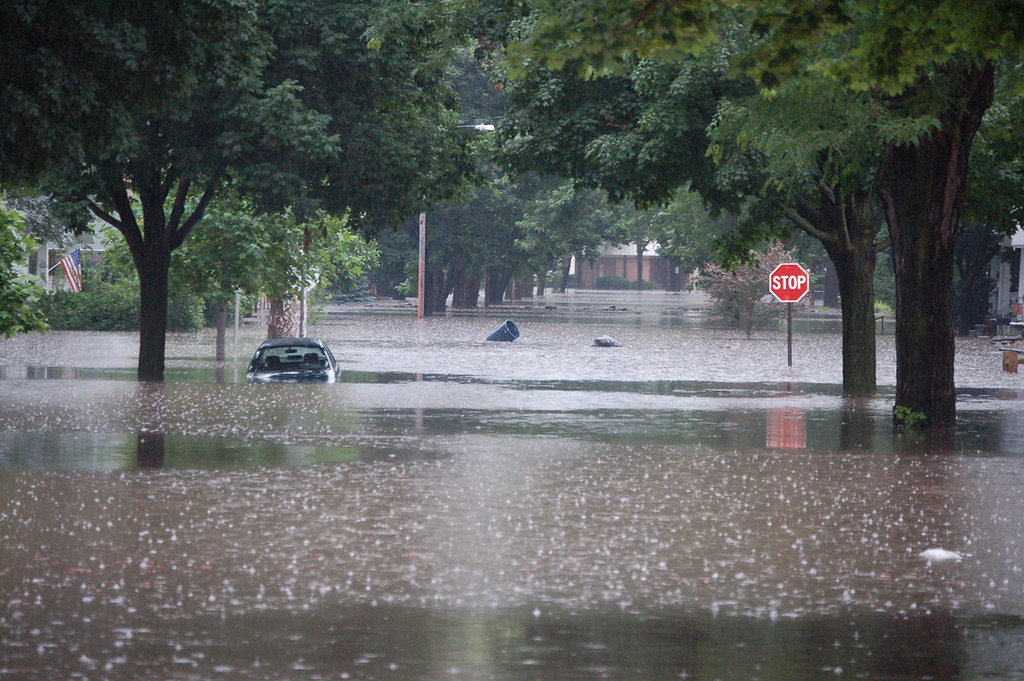
On July 23, 2026, the National Weather Service Salt Lake City issued a Flash Flood Warning at 6:37 PM MDT, affecting communities across Washington County — including Hurricane, Ivins, Santa Clara, and neighboring areas — through 9:45 PM MDT. Within hours, the Disaster Repair Team was on the ground, helping homeowners and businesses navigate one of the most disruptive flood events the region had seen that summer.
This page serves as a recovery resource and case study for anyone affected by that event — or any flash flood like it. If you are dealing with flood damage right now, don't wait.
Call DRT 24/7: 385-287-6344
What Happened on July 23, 2026
The flash flood warning caught many residents off guard during evening hours. Stormwater moved rapidly through washes and low-lying areas, entering homes and commercial properties across the affected region. Roads flooded, yards eroded, and water found its way into basements, garages, and ground-floor living spaces throughout Hurricane, Ivins, Santa Clara, and beyond.
DRT mobilized immediately, taking calls through the night and dispatching crews as soon as conditions were safe enough to enter affected neighborhoods.
What Homeowners and Businesses Did Right — A Recovery Checklist
The residents who recovered fastest were the ones who acted quickly and systematically. Here is the step-by-step approach that worked:
- Prioritized family safety first — Before assessing any damage, residents confirmed everyone was safe and accounted for, and avoided flood waters that could conceal hazards or carry electrical risk.
- Documented all damage with photos and video — Before touching or moving anything, thorough photo and video documentation was captured. This proved essential for insurance claims.
- Avoided structurally compromised areas — Flood-saturated walls, floors, and foundations can be unstable. Residents who waited for a professional assessment avoided additional injury and liability.
- Contacted their insurance company promptly — Early notification opened claims faster and helped coordinate coverage for emergency services.
- Called DRT without delay — The faster water extraction begins, the less secondary damage occurs. Mold can begin developing within 24–48 hours of water intrusion. Early intervention saved many homeowners thousands of dollars in remediation costs.
Dealing with flood damage now? Call DRT: 385-287-6344
How DRT Responded — Services Deployed After the July 2026 Flood
DRT provided comprehensive emergency restoration services to affected homes and businesses throughout the region, including:
- 24/7 emergency water extraction — Crews arrived on-site with industrial extraction equipment to remove standing water as quickly as possible.
- Structural drying — Commercial-grade dehumidifiers and air movers were deployed to dry out walls, subfloors, and structural cavities before hidden moisture could cause lasting damage.
- Board-up and site security — Properties with compromised windows, doors, or structural openings were secured against further exposure or unauthorized entry.
- Mold remediation — In cases where response was delayed or moisture had been present for more than 48 hours, DRT's certified remediation teams assessed and addressed mold risk.
- Full rebuild coordination — From flooring and drywall to complete structural restoration, DRT managed the rebuild process so homeowners didn't have to juggle multiple contractors.
- Direct insurance billing — DRT worked directly with homeowners' insurance carriers, reducing paperwork burden and helping ensure maximum coverage was applied.
Lessons Learned from the July 2026 Flood Event
After working through the recovery process with dozens of affected property owners, DRT's team identified several consistent patterns — things that made recovery smoother, and things that made it harder.
What Made Recovery Easier
- Acting within the first few hours. Properties where water extraction began the same evening or early the following morning had dramatically better outcomes. Secondary damage — swollen framing, buckled flooring, mold growth — was far less severe.
- Having insurance documentation ready. Homeowners who had photos of their property's pre-flood condition (stored in the cloud or off-site) were able to substantiate claims much more effectively.
- Calling one point of contact. Residents who tried to coordinate multiple contractors independently experienced longer timelines and more gaps in service. Having a single restoration partner handle the full scope — extraction through rebuild — reduced stress and delays significantly.
- Trusting the drying process. Some homeowners wanted to rush back in before structural drying was complete. Those who allowed the full drying process avoided costly mold and structural issues down the road.
What Made Recovery Harder
- Waiting to call for help. Every hour of delay after a flood increases the risk of mold, structural damage, and irreversible loss of personal property. Several properties required full subfloor replacement that could have been avoided with faster response.
- Disturbing damaged materials before documentation. Moving or disposing of damaged items before photographing them complicated insurance claims and, in some cases, reduced settlement amounts.
- Assuming the damage was minor. Flash flood water often travels through walls and into cavities that aren't visibly wet. Multiple properties that appeared to have surface-level damage were found to have significant hidden moisture during professional inspection.
- Not knowing who to call. Having a trusted local restoration company's number saved in your phone before disaster strikes makes an enormous difference. When the warning was issued, the homeowners who called DRT first got the fastest response.
How to Prepare Before the Next Event
- Save DRT's number now: 385-287-6344
- Review your homeowner's or business insurance policy for flood and water damage coverage
- Photograph your property's interior and exterior annually and store images off-site or in the cloud
- Know where your water main shutoff is located
- Clear drains, gutters, and wash areas near your property before monsoon season
About DRT — Your Local Restoration Team
The Disaster Repair Team is a locally based emergency restoration company serving Hurricane, Ivins, Santa Clara, St. George, and communities throughout Washington County and Southern Utah. We have responded to flash floods, water intrusions, fire damage, and major weather events across the region — and we understand the specific challenges that Utah's monsoon season and desert terrain present.
When the July 2026 flash flood warning was issued, DRT was already preparing. That's what local experience looks like.
We work directly with all major insurance carriers, offer 24/7 emergency dispatch, and see every job through from initial extraction to complete rebuild. You don't have to figure this out alone.
Call DRT any time, day or night: 385-287-6344
Frequently Asked Questions After a Flash Flood
How soon after flooding should I call for help?
Immediately. Mold can begin growing within 24–48 hours, and structural materials absorb water quickly. The sooner extraction and drying begins, the better your outcome will be — and the lower your total restoration cost.
Will my insurance cover flash flood damage?
Coverage depends on your specific policy. Standard homeowner's insurance often covers sudden water damage from storms but may exclude rising groundwater. DRT can help you navigate your claim and communicate directly with your adjuster.
What if I already cleaned up the water myself?
Surface water removal is only the first step. Hidden moisture inside walls, under flooring, and in structural cavities requires professional drying equipment and moisture meters to detect and address. Even if your floors look dry, call DRT for a professional assessment.
Do you serve areas outside of Hurricane and St. George?
Yes. DRT serves communities throughout Washington County and surrounding Southern Utah areas. Call us at 385-287-6344 to confirm service in your location.
This page was created as a post-event recovery resource following the National Weather Service Flash Flood Warning issued July 23, 2026 for areas of Washington County, Utah. If you are currently experiencing a flood emergency, call DRT immediately at 385-287-6344.
```Affected Areas
Select a city for location-specific emergency information and restoration resources.
What to Expect When You Call
Here's how DRT responds to emergency calls:
Need Help Now?
The Disaster Repair Team provides 24/7 emergency restoration services across Utah.
Request Help Online