Emergency Flood & Water Damage Restoration — Washington City
- Recovery resources and next steps
- Insurance claim guidance
- Lessons learned for future prevention
- Professional restoration support
Mold can start growing within 24–48 hours of water exposure. Fast extraction and drying dramatically reduce secondary damage and health risks.
Live Conditions
Real-time weather radar for Utah
How DRT Helped Washington City Recover from the July 2026 Flash Flood Warning
A Recovery Case Study — Hurricane, Ivins, Santa Clara & Washington City, Utah
On July 23, 2026, the National Weather Service Salt Lake City issued a Flash Flood Warning for Washington City and surrounding communities — including Hurricane, Ivins, and Santa Clara — effective from 6:37 PM MDT until 9:45 PM MDT. In the hours and days that followed, the Disaster Repair Team (DRT) mobilized to help affected homeowners and businesses begin the recovery process.
This page serves as a permanent resource for Southern Utah residents who have experienced flash flooding — whether from this event or any future storm. If you are dealing with flood damage right now, we are still here.
Call DRT anytime, 24/7: 385-287-6344
What the July 2026 Flash Flood Affected
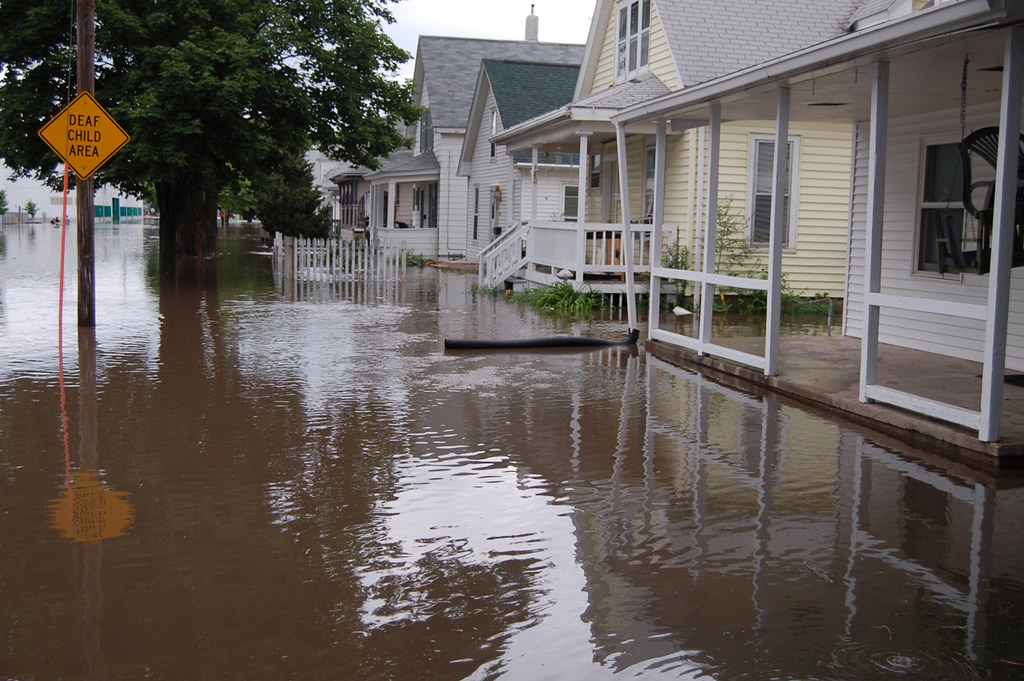
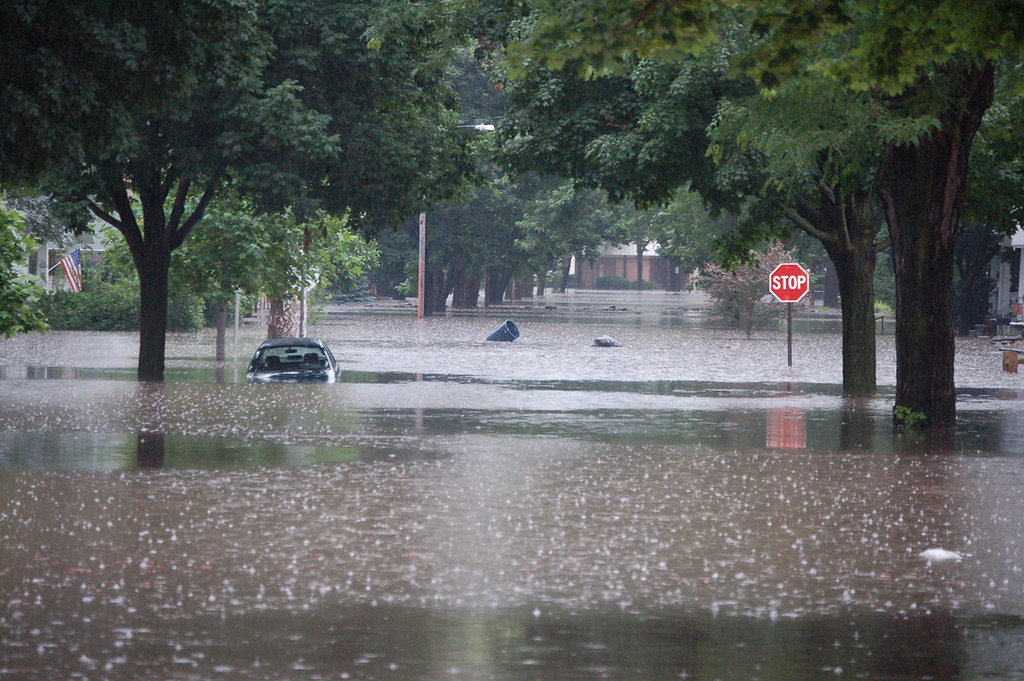
Flash flooding in Washington County moves fast. The July 2026 event brought rapid water intrusion into residential foundations, garages, and ground-floor living spaces across Washington City, with similar impacts reported in Hurricane, Ivins, and Santa Clara. Stormwater overwhelmed drainage in low-lying areas, and many homeowners faced standing water, soaked drywall, and compromised flooring within minutes of the warning being issued.
DRT crews were on the ground responding to calls before the warning had even expired.
What Homeowners Did Right After the Flood
The residents who saw the best recovery outcomes following the July 2026 event took these steps quickly. Whether you are recovering from this storm or a future one, this checklist still applies:
- Prioritized family safety first — No property damage is worth a personal injury. Residents who waited until conditions were safe before re-entering their homes avoided serious risk.
- Documented all damage immediately with photos and video — Thorough documentation before any cleanup began was critical for insurance claims and restoration scoping.
- Avoided structurally compromised areas — Floodwater can destabilize walls, floors, and electrical systems. Affected homeowners were right to stay out until a professional assessed the structure.
- Contacted their insurance company early — Starting the claims process quickly helped avoid delays in getting restoration work approved and funded.
- Called DRT for emergency water extraction and drying — The sooner standing water was removed, the less secondary damage — including mold — residents faced in the weeks that followed.
Dealing with flood damage now? These steps still apply. Call us: 385-287-6344
How DRT Responded — Services Deployed After the July 2026 Flood
DRT provided full-spectrum emergency restoration services to Washington City-area homes and businesses in the aftermath of the July 2026 flash flood event. Our crews handled:
- 24/7 Emergency Water Extraction — Rapid removal of standing water to minimize structural saturation and prevent mold conditions
- Structural Drying — Industrial dehumidification and air movement equipment deployed throughout affected properties
- Board-Up and Temporary Weatherproofing — Protecting compromised structures from additional exposure
- Mold Remediation — Addressing secondary mold growth that developed in properties where water was not extracted quickly enough
- Smoke and Soot Removal — Where storm damage intersected with fire risk or existing conditions
- Full Rebuild Coordination — Managing the complete restoration process from initial extraction through final reconstruction
- Direct Insurance Coordination — Working with homeowners' insurance carriers to document damage, submit scopes, and streamline claims
DRT is locally based in Southern Utah. When Washington County floods, we are not dispatching from Las Vegas or Salt Lake City — we are already here.
Need restoration services now? Call 385-287-6344 — available 24/7.
Lessons Learned: What the July 2026 Flood Taught Southern Utah Homeowners
1. Flash Floods in Washington County Move Faster Than People Expect
The window between a NWS warning and active flooding in low-lying areas of Washington City, Hurricane, and Santa Clara can be less than 30 minutes. Homeowners who had already identified their shut-off valves, kept important documents accessible, and knew their evacuation routes fared significantly better in the immediate aftermath.
2. The First 24–48 Hours Are Critical for Limiting Long-Term Damage
Properties where water extraction began within the first day experienced dramatically less secondary damage than those where standing water remained for 72 hours or more. Mold can begin developing in as little as 24–48 hours in Utah's summer heat. Speed matters enormously.
3. Insurance Documentation Cannot Be Recreated After Cleanup Begins
Several homeowners who began cleanup before thoroughly documenting their damage faced challenges with insurance claims. Photograph and video everything — every room, every affected wall, every damaged item — before moving or discarding anything.
4. Not All Restoration Companies Are Local
Following the July 2026 event, some Washington County residents were contacted by out-of-area contractors who had no familiarity with local building conditions, soil drainage patterns, or Southern Utah's specific climate considerations. Local knowledge matters in restoration — especially for drying protocols in high-desert environments where exterior humidity and temperature affect moisture readings differently than other regions.
5. Having a Restoration Contact Before a Disaster Is an Advantage
Homeowners who had already saved DRT's number were able to get crews on-site faster than those who spent time searching during the crisis. We encourage every Washington County homeowner to save our number now, before the next storm season.
Save it now: 385-287-6344
About the Disaster Repair Team — Southern Utah's Local Restoration Experts
DRT has responded to flooding events, fire damage, and storm emergencies across Washington County and the greater Southern Utah region. We are not a national franchise. We are your neighbors, and we have been through storms like the July 2026 flood before — and we will be here for the next one.
We provide 24/7 emergency restoration services including water extraction, structural drying, board-up, mold remediation, smoke and soot removal, and full rebuild coordination. We work directly with your insurance company to make the claims and restoration process as straightforward as possible.
Serving: Washington City, Hurricane, Ivins, Santa Clara, St. George, and surrounding Southern Utah communities.
Experiencing flood or storm damage? Call DRT now — 24 hours a day, 7 days a week:
385-287-6344
Most homeowner policies cover sudden water damage (burst pipes, appliance failures). Natural flooding typically requires separate flood insurance. Either way, DRT documents everything from day one — moisture readings, photos, scope of work — so your claim is supported whether it goes through your standard policy or a flood policy.
Frequently Asked Questions
How quickly does mold grow after flooding?
Will my homeowner's insurance cover flood damage restoration?
What should I NOT do after my home floods?
How quickly can DRT respond?
Do I need to file my insurance claim before calling DRT?
DRT serves Washington City and surrounding areas. View our full Washington City service area page for more about our restoration services in your area, or browse all service areas.
Need Help Now?
The Disaster Repair Team provides 24/7 emergency restoration services across Utah.
Request Help Online