Emergency Flood & Water Damage Restoration — Ivins
- Recovery resources and next steps
- Insurance claim guidance
- Lessons learned for future prevention
- Professional restoration support
Mold can start growing within 24–48 hours of water exposure. Fast extraction and drying dramatically reduce secondary damage and health risks.
Live Conditions
Real-time weather radar for Utah
How DRT Helped Ivins Recover from the July 2026 Flash Flood — A Recovery Resource for Ivins, Santa Clara & Surrounding Communities
On July 23, 2026, the National Weather Service Salt Lake City issued a Flash Flood Warning for Ivins, Santa Clara, and surrounding Washington County communities, effective from 6:37 PM MDT until 9:45 PM MDT. In the hours and days that followed, the Disaster Repair Team (DRT) mobilized to help homeowners and businesses assess damage, begin water extraction, and navigate the recovery process.
This page serves as a permanent resource for anyone affected by that event — or any future flash flood in the St. George area. If you are dealing with flood damage right now, our team is available 24/7.
Call DRT anytime: 385-287-6344
What the July 2026 Flash Flood Looked Like in Ivins & Santa Clara
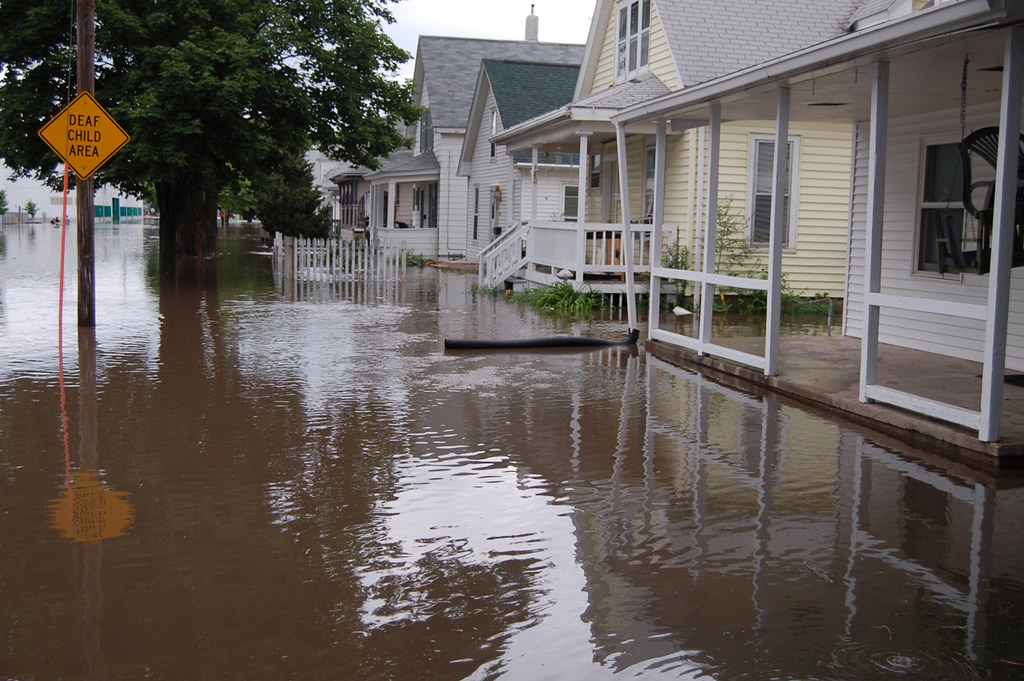
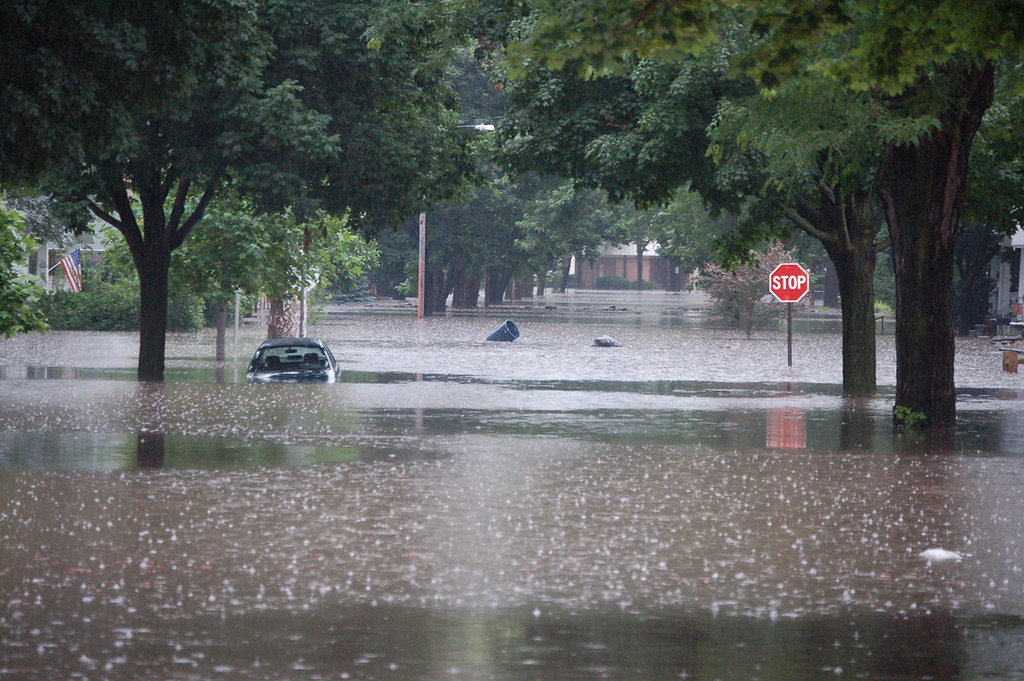
Flash floods in the red rock terrain around Ivins and Santa Clara can move fast and hit hard. Water that gathers in the surrounding mesas and washes can funnel into residential areas with very little warning, even when skies appear clear nearby. The July 23 event followed this familiar pattern — a brief but intense monsoon cell produced rapid runoff that entered properties through garage doors, window wells, and low-lying entries before residents had time to fully prepare.
DRT crews responded to calls across the affected area throughout the evening and into the following days, performing emergency water extraction, structural moisture assessments, and coordinating directly with insurance adjusters on behalf of property owners.
What to Do After a Flash Flood — The Checklist DRT Recommends
Whether you experienced this event or are preparing for the next one, here is the step-by-step guidance DRT provided to every homeowner we worked with:
- Prioritize your family's safety first. Do not return to your home until authorities have confirmed the area is clear and floodwaters have fully receded.
- Document all damage thoroughly before touching anything. Photograph and video every affected room, wall, floor, and item. This documentation is critical for your insurance claim.
- Do not enter structurally compromised areas. Floodwater can weaken foundations, floors, and walls in ways that are not immediately visible. When in doubt, wait for a professional assessment.
- Contact your insurance company as soon as possible. Report the loss promptly and ask about your coverage for water damage and additional living expenses if your home was uninhabitable.
- Begin water extraction and drying within 24–48 hours. Standing water and saturated materials create ideal conditions for mold growth within 48 hours. Speed matters significantly.
- Call DRT for professional restoration. Our team handles water extraction, structural drying, mold prevention, board-up, and full rebuild coordination — and we work directly with your insurance company. 385-287-6344
How DRT Helped — Our Restoration Process
When DRT arrived at affected properties after the July 2026 event, our crews followed the same proven process we use for every flood response:
- Emergency water extraction — Industrial pumps and wet vacuums removed standing water from floors, crawlspaces, and basements as quickly as possible.
- Structural drying — Commercial dehumidifiers and air movers were deployed to dry wall cavities, subfloors, and framing materials, verified with moisture meters over multiple days.
- Mold remediation — In cases where drying was delayed or moisture had already penetrated deeply, DRT performed full mold remediation to protect indoor air quality and structural integrity.
- Board-up and securing — Properties with compromised entries, windows, or doors were secured to prevent further damage and unauthorized access.
- Insurance coordination — DRT worked directly with insurance adjusters, providing documentation, moisture readings, and scope-of-work reports to help homeowners get fair, timely settlements.
- Full rebuild coordination — For properties requiring structural repairs, flooring replacement, or full room rebuilds, DRT managed the entire process from demo through final walk-through.
Ready to start your recovery? Call DRT 24/7: 385-287-6344
Lessons Learned — What Ivins & Santa Clara Residents Told Us After the July 2026 Flood
After working with dozens of property owners through this event, DRT gathered consistent feedback about what made recovery easier — and what made it harder. Here is what we heard:
What helped
- Acting fast made a significant difference. Homeowners who called within the first few hours after floodwaters receded had far less secondary damage — particularly mold — than those who waited several days to begin drying.
- Having photos and video ready sped up insurance claims. Residents who documented damage thoroughly before any cleanup began reported smoother, faster claims processes.
- Having a restoration company already in mind meant no wasted time. Several residents who had heard of DRT before the event called immediately rather than spending critical hours searching for help.
- Keeping important documents in waterproof storage or offsite paid off. Insurance policies, property records, and financial documents that were accessible made the claims process faster and less stressful.
What residents wished they had done differently
- Not waiting to see if it would "dry out on its own." Concrete, drywall, and wood framing hold moisture far longer than they appear to on the surface. Multiple homeowners discovered mold behind walls weeks later because visible surfaces seemed dry.
- Checking garage door and window well seals before monsoon season. Many entry points that allowed water in were gaps that could have been sealed or sandbagged proactively.
- Understanding their flood insurance coverage before the event. Standard homeowner's insurance typically does not cover flood damage. Residents who had separate flood insurance through the NFIP or a private carrier were in a much stronger position.
- Not discarding damaged items before the insurance adjuster visited. While it can feel urgent to clean up, removing damaged materials before documentation and adjuster review can complicate claims.
Preparedness steps DRT now recommends for every Ivins and Santa Clara homeowner
- Review your flood insurance coverage each spring before monsoon season begins.
- Inspect and clear drainage channels, window wells, and garage door thresholds annually.
- Keep a bag of sandbags or water-activated flood barriers accessible.
- Save DRT's number in your phone before you need it: 385-287-6344
Why Local Homeowners Trust DRT for Flood Recovery
DRT is based in Washington County and has responded to flash flood events across Ivins, Santa Clara, Hurricane, St. George, and the broader Dixie region multiple times. We understand the specific drainage patterns, soil conditions, and construction types common to this area. When a monsoon cell drops water on the red rock benches above Ivins, we know what that means for the homes below — and we know how to respond effectively.
We are not a national franchise dispatching crews from out of state. We are your neighbors, and we were here before, during, and after the July 2026 event — just as we will be for the next one.
If your home or business has been affected by flooding — whether from this event or any other — call DRT now for a free assessment:
385-287-6344 — Available 24 hours a day, 7 days a week
We work directly with all major insurance carriers and can begin the documentation and extraction process immediately upon arrival.
```Most homeowner policies cover sudden water damage (burst pipes, appliance failures). Natural flooding typically requires separate flood insurance. Either way, DRT documents everything from day one — moisture readings, photos, scope of work — so your claim is supported whether it goes through your standard policy or a flood policy.
Frequently Asked Questions
How quickly does mold grow after flooding?
Will my homeowner's insurance cover flood damage restoration?
What should I NOT do after my home floods?
How quickly can DRT respond?
Do I need to file my insurance claim before calling DRT?
DRT serves Ivins and surrounding areas. View our full Ivins service area page for more about our restoration services in your area, or browse all service areas.
Need Help Now?
The Disaster Repair Team provides 24/7 emergency restoration services across Utah.
Request Help Online