Emergency Flood & Water Damage Restoration - St. George (Southern Utah Flash Flood Warning)
- Recovery resources and next steps
- Insurance claim guidance
- Lessons learned for future prevention
- Professional restoration support
Mold can start growing within 24–48 hours of water exposure. Fast extraction and drying dramatically reduce secondary damage and health risks.
Live Conditions
Real-time weather radar for Utah
How DRT Helped St. George Recover from the July 2026 Flash Flood Warning
A Recovery Case Study & Resource Guide for Hurricane, Ivins, Santa Clara & Surrounding Communities
On July 23, 2026, the National Weather Service Salt Lake City issued a Flash Flood Warning for the St. George area from 6:37 PM MDT through 9:45 PM MDT. The storms that rolled through Washington County that evening left homes, businesses, and families across St. George, Hurricane, Ivins, Santa Clara, and neighboring communities dealing with the aftermath of sudden, significant flooding.
The Disaster Repair Team (DRT) responded immediately and worked alongside local homeowners, business owners, and insurance adjusters in the days and weeks that followed. This guide captures what happened, what we learned, and what you should know if your property was affected — or if you want to be better prepared for the next event.
Questions about flood damage to your property? Call DRT anytime: 385-287-6344
What Happened: The July 23, 2026 Flash Flood Event
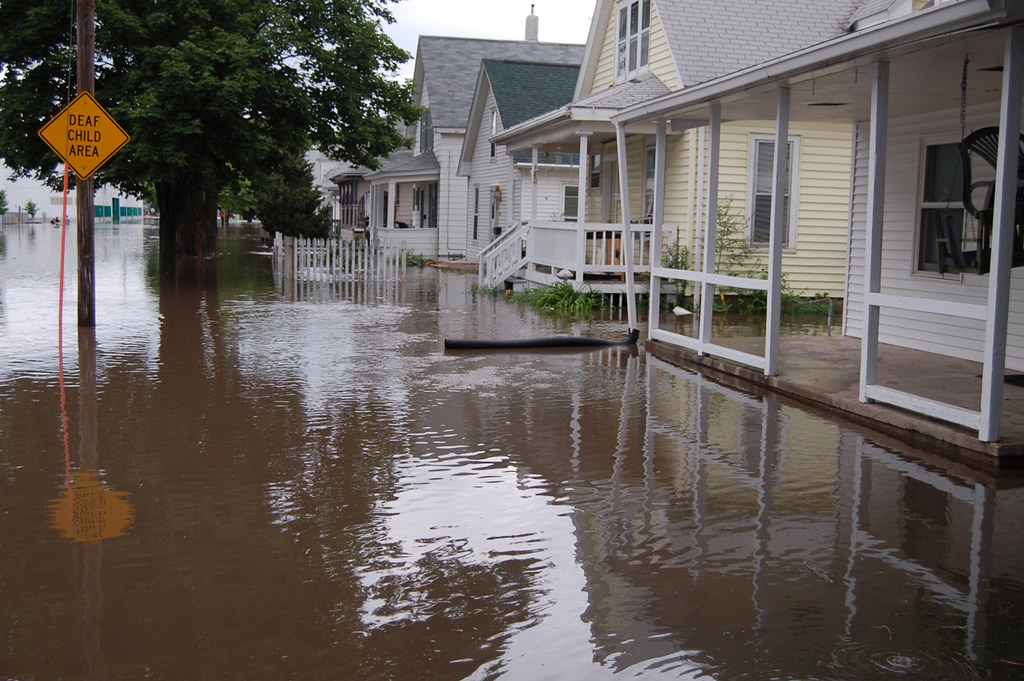
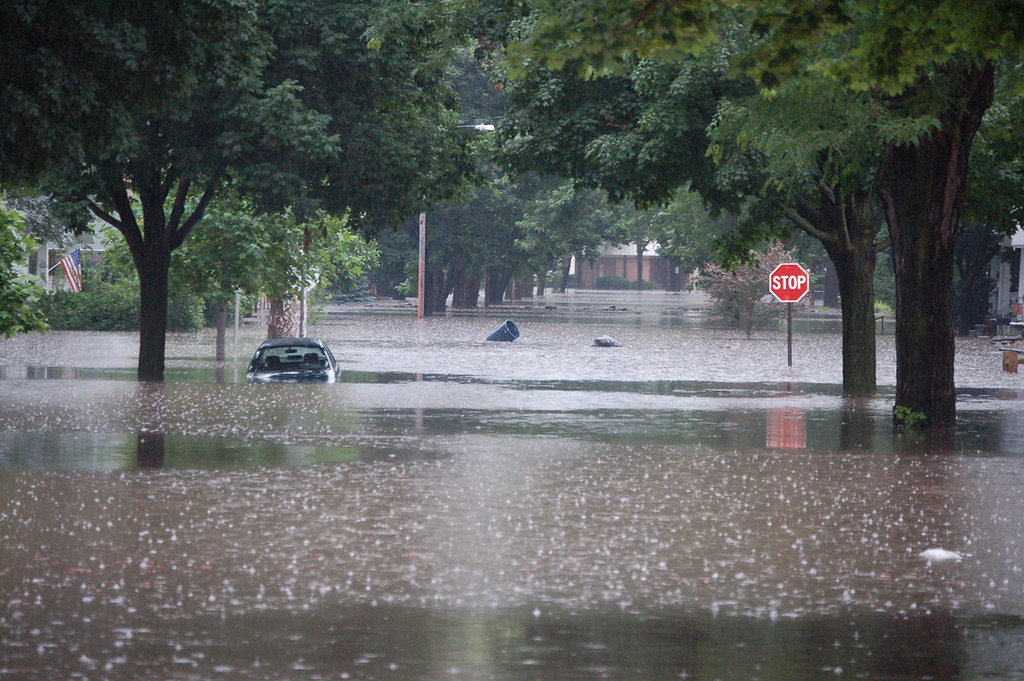
Flash flooding in Washington County is not unusual during monsoon season, but the July 23rd event moved quickly and caught many residents off guard. Storm runoff overwhelmed drainage systems in low-lying areas, and water entered homes and commercial buildings with little warning. Communities along washes and flood-prone corridors — including parts of Hurricane, Ivins, and Santa Clara — saw some of the heaviest impacts.
DRT crews were deployed that same evening and continued working through the following days to help affected property owners begin the recovery process.
What Property Owners Did Right After the Flood
The homeowners and business owners who fared best in the recovery process were those who acted quickly and systematically in the immediate aftermath. Here is the same step-by-step guidance DRT provided on the ground during the July 2026 response — advice that applies to any flood event in the St. George area:
- Put safety first. Before re-entering any flooded structure, residents confirmed the building was structurally sound and that utilities had been shut off or inspected. Water and electricity are a deadly combination.
- Document everything before touching it. Property owners who photographed and videoed all visible damage — walls, flooring, furniture, personal belongings, exterior — had a significantly smoother insurance claims process. They captured damage from multiple angles and kept a written inventory of affected items.
- Avoided structurally compromised areas. Floodwaters can compromise foundations, load-bearing walls, and flooring. When there was any doubt, residents stayed out and waited for a professional assessment.
- Contacted their insurance company promptly. Early notification gave adjusters time to schedule inspections quickly and helped prevent delays in claims processing.
- Called DRT for emergency water extraction and drying. The faster standing water was removed and structural drying began, the less secondary damage — including mold — property owners faced. Every hour matters with water damage.
Dealing with flood damage now or have lingering questions from the July event? Call DRT: 385-287-6344
How DRT Supported the Recovery
DRT provided comprehensive restoration services throughout the July 2026 response and recovery period, including:
- Emergency water extraction — Removing standing water from affected basements, main floors, and crawl spaces as quickly as possible
- Structural drying — Industrial dehumidifiers and air movers deployed to dry walls, subfloors, and framing to prevent mold and structural deterioration
- Mold remediation — Identifying and addressing mold growth in properties where moisture was present for an extended period before treatment began
- Board-up and tarping — Securing properties that sustained structural damage or broken windows
- Full rebuild coordination — Managing repairs from drywall and flooring replacement through complete structural rebuilds for the most severely damaged properties
- Insurance coordination — Working directly with adjusters on documentation, scope of work, and claims support so property owners did not have to navigate that process alone
DRT is locally based and licensed in Utah. Our crews know Washington County — the soil, the drainage patterns, the construction styles common in this area — and that local knowledge made a real difference in how efficiently we were able to assess and respond during the July event.
Lessons Learned: What the July 2026 Flood Taught Us
Every disaster response teaches us something. Here is what the July 23, 2026 event reinforced for our team and for the property owners we worked with:
1. Monsoon season in Washington County demands preparation, not reaction.
St. George and surrounding communities sit in a region where flash flooding can develop in minutes. The July event was a reminder that the window between a weather warning and water in your home can be extremely short. Homeowners who had already cleared their gutters, checked their drainage, and knew their shutoff valve locations were better positioned to respond safely.
2. The first 24–48 hours are critical.
Several property owners who waited a few days to begin water extraction faced significantly more damage — and higher repair costs — than those who called immediately. Mold can begin developing within 24–48 hours in the right conditions. Southern Utah's heat accelerates that timeline. Speed matters.
3. Documentation is your best friend with insurance.
Claims that moved quickly almost always had thorough photo and video documentation taken before any cleanup began. A few minutes spent documenting damage before touching anything saved property owners significant time and stress during the claims process.
4. Not all restoration companies are the same.
During and after the July event, we heard from property owners who had initially called out-of-area companies that were slow to respond, unfamiliar with local conditions, or difficult to reach after the initial service call. Local matters. DRT lives and works here.
5. Flood damage is rarely just water.
Several properties that appeared to have minor surface flooding were found to have moisture inside wall cavities, under flooring, and in substructures. Professional moisture assessment — not just visible inspection — is essential to ensuring a property is genuinely dry and safe.
6. Insurance coordination is a skill, not an afterthought.
Property owners who had a restoration company working alongside their insurance adjuster — rather than trying to manage both relationships separately — reported smoother, faster resolutions. DRT handled that coordination directly, which removed a significant burden from families already dealing with a stressful situation.
Is Your Property Fully Recovered? Signs You May Still Have Hidden Damage
If your home or business was affected by the July 2026 flooding and you are not certain the recovery was complete, watch for these warning signs of lingering moisture or structural issues:
- Musty or earthy odor that does not go away
- Visible mold or dark discoloration on walls, ceilings, or flooring
- Warped, buckling, or soft flooring
- Paint that is bubbling, peeling, or staining
- Persistent allergy symptoms or respiratory irritation indoors
- Doors or windows that suddenly stick or no longer align properly
These can all be indicators of moisture that was not fully addressed. DRT offers assessments for properties with suspected ongoing issues from past flood events.
Think you may have unresolved damage from the July flood? Call DRT today: 385-287-6344
Prepare Now for the Next Event
Flash flooding is a recurring reality in Washington County. The best time to prepare is before the next warning is issued. Here are steps every property owner in St. George, Hurricane, Ivins, Santa Clara, and surrounding areas should take before monsoon season:
- Know where your main water shutoff is located and make sure every adult in your household knows too
- Clear gutters, downspouts, and drainage paths around your property
- Review your homeowner's or commercial property insurance policy — specifically flood-related coverage and exclusions
- Keep DRT's number saved: 385-287-6344
- Have a go-bag and family emergency plan ready
- Follow NWS Salt Lake City alerts and Washington County Emergency Management
About Disaster Repair Team (DRT)
DRT is a locally owned and operated disaster restoration company serving St. George, Hurricane, Ivins, Santa Clara, Washington, and the greater Washington County area. We provide 24/7 emergency response for water damage, flood damage, fire and smoke damage, mold remediation, and full structural rebuild services. We work directly with all major insurance carriers and are committed to making the recovery process as straightforward as possible for property owners.
We were here for the July 2026 event. We will be here for the next one — and for whatever your property needs between now and then.
Call DRT 24/7: 385-287-6344
```Most homeowner policies cover sudden water damage (burst pipes, appliance failures). Natural flooding typically requires separate flood insurance. Either way, DRT documents everything from day one — moisture readings, photos, scope of work — so your claim is supported whether it goes through your standard policy or a flood policy.
Frequently Asked Questions
How quickly does mold grow after flooding?
Will my homeowner's insurance cover flood damage restoration?
What should I NOT do after my home floods?
How quickly can DRT respond?
Do I need to file my insurance claim before calling DRT?
DRT serves St. George and surrounding areas. View our full St. George service area page for more about our restoration services in your area, or browse all service areas.
Need Help Now?
The Disaster Repair Team provides 24/7 emergency restoration services across Utah.
Request Help Online