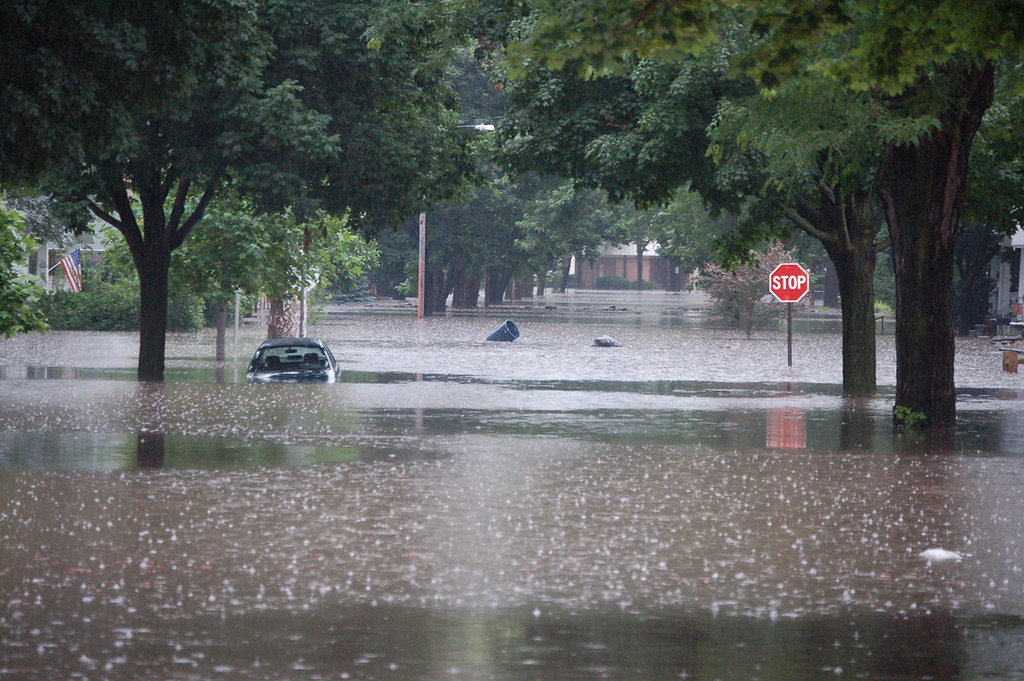
July 2026 Flash Flood Warning — St. George — Emergency Restoration
- Recovery resources and next steps
- Insurance claim guidance
- Lessons learned for future prevention
- Professional restoration support
Mold can start growing within 24–48 hours of water exposure. Fast extraction and drying dramatically reduce secondary damage and health risks.
Live Conditions
Real-time weather radar for Utah
- Do NOT stand in water near electrical outlets or appliances
- Shut off main water supply if the source is a pipe or appliance
- Turn off electricity to affected areas at the breaker — only if safe to reach
- Do NOT use household vacuums on standing water
- Move to higher ground if water is rising rapidly
How DRT Helped Utah Recover from the July 2026 Flash Flood Warning — St. George
Flash Flood Warning issued July 15, 2026 at 3:12PM MDT until 6:15PM MDT by NWS Salt Lake City, UT
When the National Weather Service issued a flash flood warning for affected areas of Utah on July 15, 2026, the Disaster Repair Team was already mobilized. This page serves as a recovery resource and case study documenting how DRT responded — and what homeowners and businesses in the St. George area learned from the experience.
If you are still dealing with flood damage from this event or a similar storm, our team is available around the clock.
Call anytime: 385-287-6344
What Affected Residents Did in the Immediate Aftermath
In the hours following the flash flood warning, the homeowners and business owners who fared best took these steps right away. If you are recovering from a flood now, this checklist still applies:
- Prioritized family safety and did not re-enter the property until it was confirmed structurally sound
- Documented all damage thoroughly with photos and video before touching anything
- Avoided structurally compromised areas, including rooms with sagging ceilings, buckled floors, or standing water near electrical panels
- Contacted their insurance company promptly to open a claim
- Called DRT to begin emergency water extraction and drying before mold could take hold — 385-287-6344
How DRT Responded
The Disaster Repair Team deployed crews across the affected areas of Washington County within hours of the warning expiring. Our scope of work included:
- Emergency water extraction from flooded basements, garages, and ground-floor living spaces
- Structural drying using industrial dehumidifiers and air movers
- Board-up and tarping services for properties with exterior damage
- Mold remediation for homes where water intrusion went unaddressed for more than 24–48 hours
- Full rebuild coordination, from drywall and flooring to structural repairs
- Direct insurance billing and claims support, so homeowners did not have to navigate the paperwork alone
We have been through events like this before. Southern Utah's monsoon season and flash flood terrain are not new to our team — and that experience meant faster, more effective recovery for every client we served.
Lessons Learned from the July 2026 Flash Flood
After working through the recovery process with dozens of affected properties, several clear patterns emerged. These lessons can help you respond more effectively if flooding affects your home or business in the future:
- Speed is everything. Homeowners who called within the first few hours after water entered their property avoided the mold remediation phase entirely in most cases. Every hour of delay increases the scope — and cost — of restoration.
- Photos save claims. Residents who documented damage before any cleanup began had significantly smoother insurance claims. Take video walkthroughs from multiple angles before moving anything.
- Flash floods move fast and leave hidden moisture. Water that appears to have drained away often lingers inside wall cavities, under flooring, and in subfloor materials. Professional moisture mapping caught damage that was invisible to the naked eye.
- Working with a contractor who coordinates directly with your insurer matters. Homeowners who let DRT handle insurance communication reported less back-and-forth, faster approvals, and fewer out-of-pocket surprises.
- Having an emergency contact saved in your phone before a storm hits is underrated. Several of our fastest response calls came from homeowners who had saved our number after reading resources like this one. Save it now: 385-287-6344.
Still Dealing with Flood Damage? DRT Is Ready.
Whether your damage is from the July 2026 event or a more recent storm, the Disaster Repair Team provides 24/7 emergency restoration services across St. George and the surrounding communities. We handle water extraction, structural drying, mold remediation, and full rebuild — and we work directly with your insurance company from start to finish.
You do not have to figure this out alone. We have been through this before, and we know exactly what it takes to bring your home or business back.
Call DRT now: 385-287-6344
```Affected Areas
Select a city for location-specific emergency information and restoration resources.
What to Expect When You Call
Here's how DRT responds to emergency calls:
Need Help Now?
The Disaster Repair Team provides 24/7 emergency restoration services across Utah.
Request Help Online