Emergency Flood & Water Damage Restoration - St. George (July 2026 Flash Flood Warning)
- Recovery resources and next steps
- Insurance claim guidance
- Lessons learned for future prevention
- Professional restoration support
Mold can start growing within 24–48 hours of water exposure. Fast extraction and drying dramatically reduce secondary damage and health risks.
Live Conditions
Real-time weather radar for Utah
How DRT Helped St. George Recover from the July 2026 Flash Flood Warning
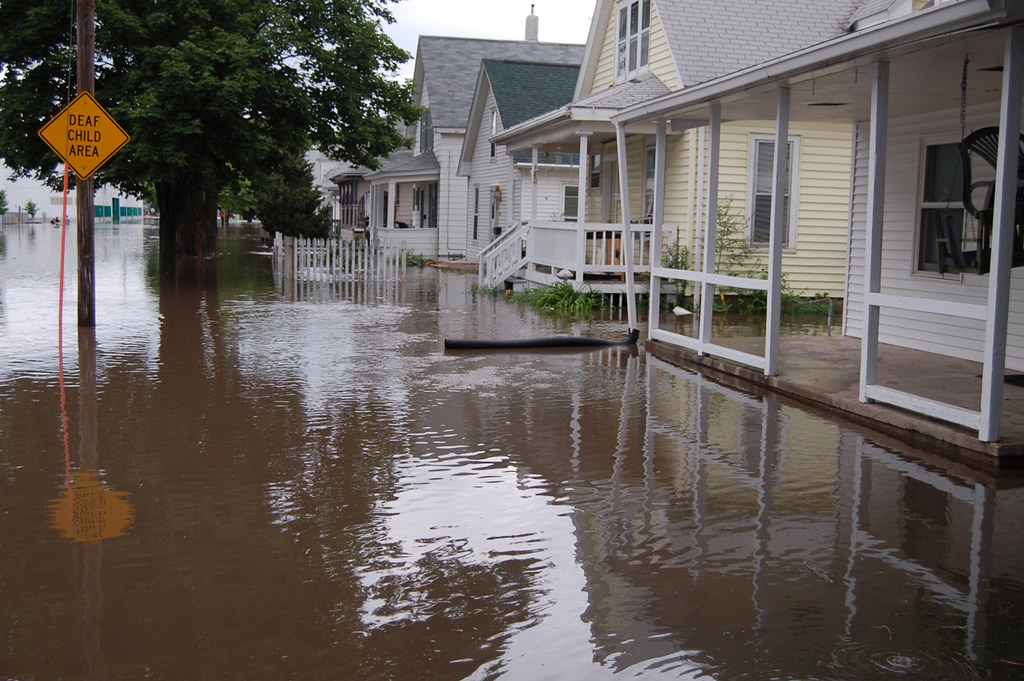
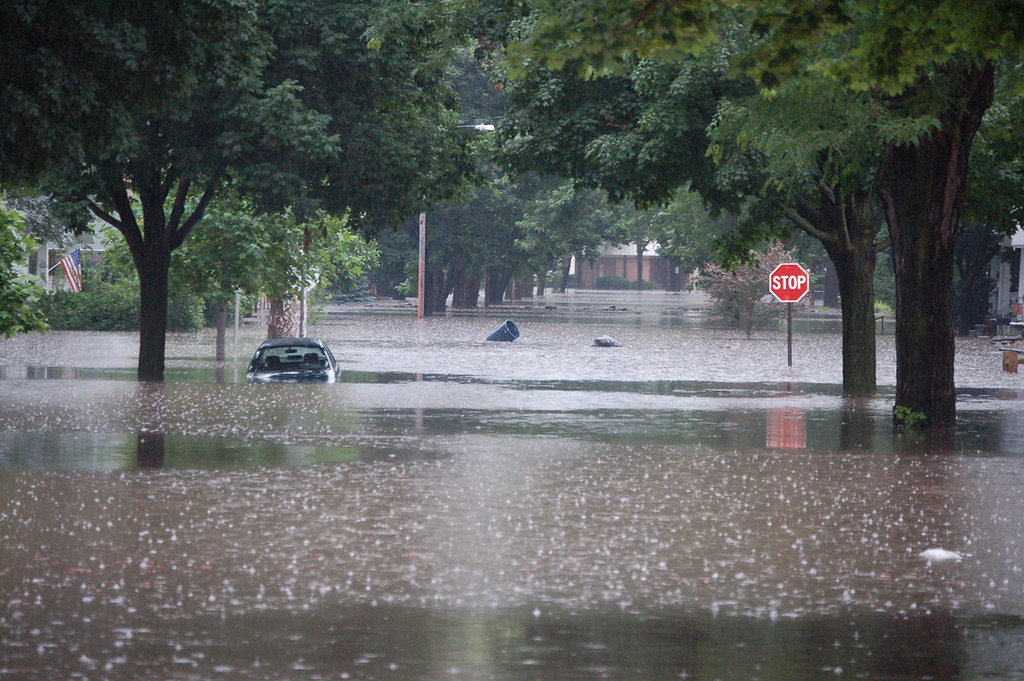
On July 15, 2026, the National Weather Service Salt Lake City issued a Flash Flood Warning for St. George from 3:12 PM MDT to 6:15 PM MDT. In the hours and days that followed, the Disaster Repair Team responded to dozens of affected homes and businesses across the area — extracting water, drying structures, and helping families get their lives back on track.
This page serves as a recovery resource and case study for St. George residents who experienced damage during that event, and for anyone who wants to understand what effective flood response looks like.
Have storm or flood damage now? We've been through this before and we're ready to help.
Call DRT 24/7: 385-287-6344
What Homeowners Did After the Flood — And What You Should Do Too
In the aftermath of the July 2026 flash flood, the homeowners who fared best acted quickly and methodically. Here's the checklist that guided successful recoveries:
- Prioritized family safety before re-entering any affected structure
- Documented all damage thoroughly with photos and video before touching anything
- Avoided entering structurally compromised areas until a professional cleared them
- Contacted their insurance company as soon as it was safe to do so
- Called DRT for emergency water extraction and restoration: 385-287-6344
How DRT Responded
DRT deployed 24/7 emergency restoration services throughout St. George in the days following the warning. Our crews handled water extraction, structural drying, board-up services, mold remediation, and full rebuild coordination. We worked directly with homeowners' insurance companies to streamline claims and reduce out-of-pocket stress.
Because we are a local team, we were on the ground fast — and we knew exactly which neighborhoods and soil conditions in St. George create the highest flash flood risk.
Lessons Learned from the July 2026 Flash Flood
After working through the recovery process with St. George residents, a few clear lessons emerged:
- Speed matters more than most people expect. Homes where water sat for more than 24–48 hours before extraction saw significantly higher mold risk and structural damage. Early calls to DRT made a measurable difference in total recovery cost and timeline.
- Documentation saved claims. Homeowners who photographed and videoed damage before cleanup received faster, more complete insurance payouts. Those who cleaned up first sometimes struggled to prove the extent of loss.
- Not all water damage is visible. Several homes appeared surface-dry but had moisture trapped inside walls and under flooring. Professional moisture mapping caught what the eye missed — and prevented mold from developing weeks later.
- Insurance coordination is a team effort. Homeowners who leaned on DRT to communicate directly with their adjusters moved through the claims process significantly faster than those who navigated it alone.
- St. George's flash flood risk is real and recurring. The geography and soil conditions in Washington County mean that intense summer storms can produce flooding with very little warning. Having a restoration team's number saved in your phone before an event is one of the simplest ways to protect your home.
Is Your Property Still Showing Signs of Damage?
If your home or business was affected by the July 2026 flood — or any storm since — and you're still dealing with water stains, musty odors, warped flooring, or other lingering issues, it's not too late to call. Some damage that wasn't addressed promptly becomes a bigger problem over time. DRT offers inspections and remediation for both fresh and long-standing flood damage.
Call DRT now: 385-287-6344
We're available 24/7 and we know St. George.
Most homeowner policies cover sudden water damage (burst pipes, appliance failures). Natural flooding typically requires separate flood insurance. Either way, DRT documents everything from day one — moisture readings, photos, scope of work — so your claim is supported whether it goes through your standard policy or a flood policy.
Frequently Asked Questions
How quickly does mold grow after flooding?
Will my homeowner's insurance cover flood damage restoration?
What should I NOT do after my home floods?
How quickly can DRT respond?
Do I need to file my insurance claim before calling DRT?
DRT serves St. George and surrounding areas. View our full St. George service area page for more about our restoration services in your area, or browse all service areas.
Need Help Now?
The Disaster Repair Team provides 24/7 emergency restoration services across Utah.
Request Help Online