Emergency Flood & Water Damage Restoration — Ephraim, Utah
- Recovery resources and next steps
- Insurance claim guidance
- Lessons learned for future prevention
- Professional restoration support
Mold can start growing within 24–48 hours of water exposure. Fast extraction and drying dramatically reduce secondary damage and health risks.
Live Conditions
Real-time weather radar for Utah
How DRT Helped Ephraim Recover from the July 2026 Monsoon Flooding
A Case Study & Recovery Resource — Central Utah: Price, Richfield, Ephraim, and Manti
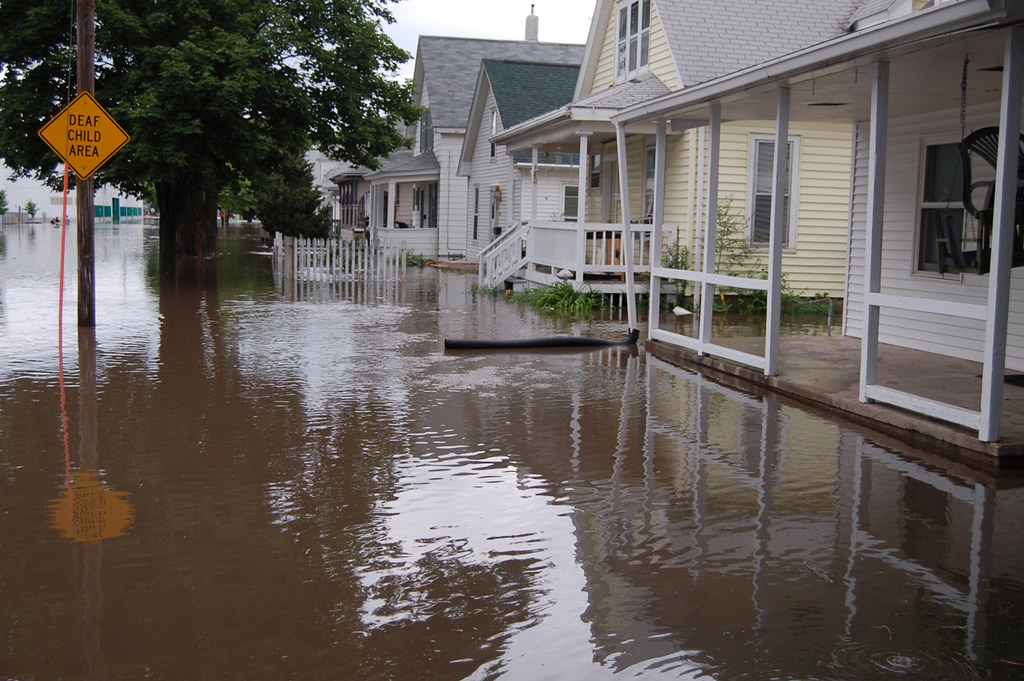
In July 2026, a Sanpete Valley Flood Watch brought destructive monsoon flooding to Ephraim, Manti, and surrounding communities across Sanpete County. Thunderstorms delivered intense localized rainfall, and canyon drainages along the Wasatch Plateau channeled runoff rapidly onto the valley floor — leaving homeowners and business owners scrambling to respond. The Disaster Repair Team (DRT) mobilized across the region, helping dozens of Central Utah families extract water, dry their structures, and navigate the insurance process. This page documents what happened, what worked, and what every property owner in the area should know before the next storm season.
If you are still dealing with flood damage from this event or a subsequent storm, help is available now.
Call 24/7: 385-287-6344
What Happened: The July 2026 Sanpete Valley Flood Event
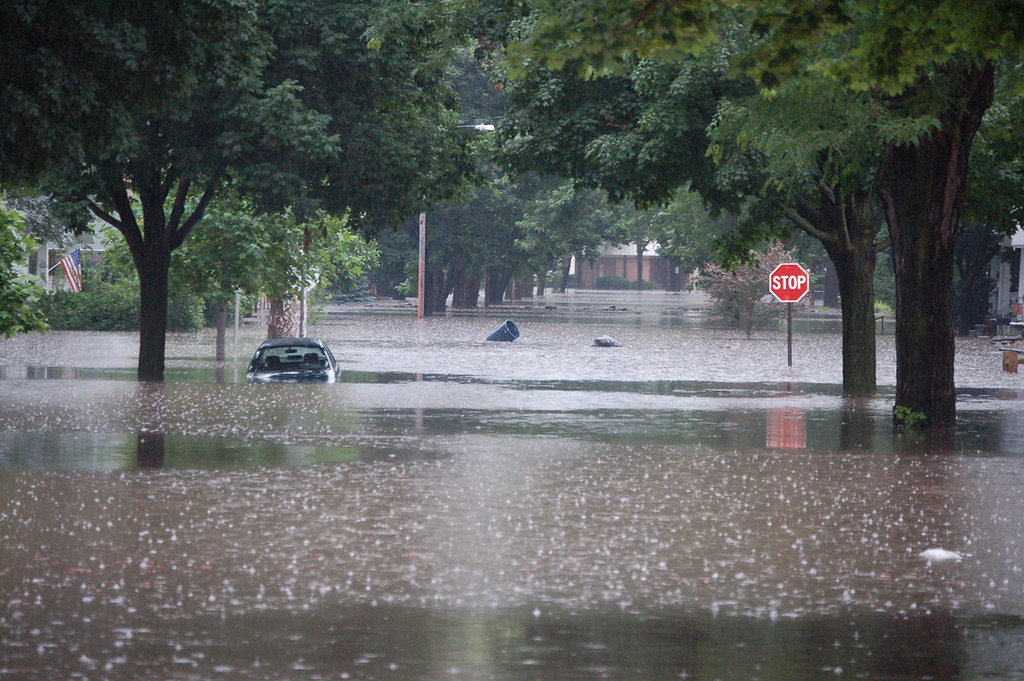
The National Weather Service issued a Sanpete Valley Flood Watch covering Ephraim, Manti, and neighboring communities through July 22, 2026. Monsoon-driven thunderstorms produced rainfall rates the valley floor could not absorb quickly enough. Burn scar flooding — a pattern already documented in neighboring Beaver County following the Cottonwood Fire — demonstrated just how rapidly conditions could escalate when saturated or fire-damaged soils lose their ability to slow runoff. In Sanpete County, the story was similar: water moved fast, entered homes with little warning, and left behind mud, contamination, and saturated building materials that required immediate professional attention.
What DRT Did: Emergency Response Across Central Utah
When the flooding hit, DRT crews responded throughout Ephraim, Manti, Price, and Richfield. The work included:
- Water extraction — rapid removal of standing water from basements, crawlspaces, and main living areas
- Structural drying — industrial air movers and dehumidifiers deployed to prevent long-term moisture damage inside walls, floors, and framing
- Mud and debris removal — clearing sediment and contaminated materials safely and efficiently
- Mold prevention — antimicrobial treatments applied early to stop secondary damage before it started
- Full insurance coordination — DRT worked directly with adjusters so homeowners did not have to manage documentation and claims alone
Same-day response was available throughout the event, and DRT crews were on-site across the county within hours of initial calls.
Dealing with lingering damage or a new water event? Call DRT 24/7: 385-287-6344
What to Do After a Flood: Practical Steps for Central Utah Homeowners
Whether you experienced flooding in July 2026 or are responding to a new event, the recovery steps are the same. Time is the critical variable — acting within the first 24–48 hours dramatically reduces total damage and restoration cost.
- Ensure the property is safe to enter. Do not re-enter until local authorities have confirmed there is no structural risk, active gas leak, or live electrical hazard.
- Document everything before cleanup begins. Photograph and video all damaged areas, contents, and building materials. This documentation is essential for your insurance claim.
- Call a professional restoration company immediately. Standing water causes structural damage and mold growth within 24–48 hours. DIY fans and dehumidifiers are rarely sufficient for flooded structures.
- Contact your insurance carrier to open a claim. DRT can assist with the documentation and communication process.
- Remove wet contents and materials that cannot be dried. Saturated drywall, insulation, and flooring typically must be removed to allow structural drying to work effectively.
- Do not ignore mud and sediment. Floodwater in Central Utah often carries agricultural and canyon runoff contamination. Proper cleanup requires more than mopping — it requires professional-grade sanitation.
- Monitor for mold. Even after drying, properties that were not treated with antimicrobials may develop mold within days to weeks. If you smell a musty odor, call for an inspection.
Need help right now? DRT is available 24 hours a day.
Call: 385-287-6344
Lessons Learned: What the July 2026 Event Taught Central Utah Homeowners
After working through dozens of flood-damaged properties across Sanpete County and the broader Central Utah region, DRT identified several patterns that made a meaningful difference in outcomes — and several mistakes that made recovery harder and more expensive than it needed to be.
What Made Recovery Easier
- Calling early. Homeowners who called within the first few hours of flooding consistently had lower total damage and lower restoration costs. Waiting — even by a single day — allowed moisture to migrate deeper into walls and subfloors.
- Having insurance documentation ready. Property owners who had their policy numbers, carrier contact information, and pre-loss photos available were able to open claims faster and with less friction.
- Trusting the drying process. Structural drying takes time. Homeowners who allowed the process to run to completion — verified by moisture readings, not guesswork — avoided callbacks for mold or warped flooring months later.
- Working with a local team. DRT crews familiar with Sanpete County's canyon drainage patterns, soil conditions, and local building stock were able to anticipate problems and respond faster than out-of-area contractors brought in during the event.
What Made Recovery Harder
- Waiting to see if it would dry on its own. Several properties sustained significant secondary damage — mold, buckled hardwood, deteriorating OSB subfloor — because the initial water intrusion was treated as minor. In Central Utah's summer heat, moisture trapped inside a structure can drive rapid mold growth.
- Removing damaged materials before documenting them. Homeowners who tore out flooring or drywall before photographing and notifying their insurer encountered claim complications. Always document first.
- Assuming flood damage was covered under standard homeowners insurance. Many Central Utah homeowners discovered that standard HO policies do not cover surface flood events. This is the time to review your policy and consider flood insurance through the NFIP before the next monsoon season.
- Using consumer-grade drying equipment. Box fans and household dehumidifiers are not engineered for flooded structures. They can give a false sense of progress while moisture remains trapped inside building assemblies.
What to Do Before the Next Storm Season
- Review your insurance coverage and confirm whether flood damage is included
- Take a video walkthrough of your home's interior and store it off-site or in cloud storage
- Know your local drainage patterns — if you are near a canyon mouth or seasonal wash, you are at higher risk
- Save DRT's number in your phone now: 385-287-6344
About DRT: Local Experience in Central Utah Flood Restoration
The Disaster Repair Team has served Ephraim, Manti, Price, Richfield, and communities across Central Utah through multiple flood and storm events. We are not a national chain that parachutes in during disasters — we are a local team that knows this region's terrain, building stock, and insurance landscape. When the July 2026 monsoon flooding hit Sanpete County, DRT was already here, and we will be here for the next event too.
We provide complete flood and water damage restoration services including water extraction, structural drying, mud and debris removal, mold prevention and remediation, and full insurance documentation and coordination.
If your property was affected by flooding — in July 2026 or at any time — call DRT for a free assessment.
Available 24/7: 385-287-6344
Most homeowner policies cover sudden water damage (burst pipes, appliance failures). Natural flooding typically requires separate flood insurance. Either way, DRT documents everything from day one — moisture readings, photos, scope of work — so your claim is supported whether it goes through your standard policy or a flood policy.
Frequently Asked Questions
How quickly does mold grow after flooding?
Will my homeowner's insurance cover flood damage restoration?
What should I NOT do after my home floods?
How quickly can DRT respond?
Do I need to file my insurance claim before calling DRT?
DRT serves Ephraim and surrounding areas. View our full Ephraim service area page for more about our restoration services in your area, or browse all service areas.
Need Help Now?
The Disaster Repair Team provides 24/7 emergency restoration services across Utah.
Request Help Online