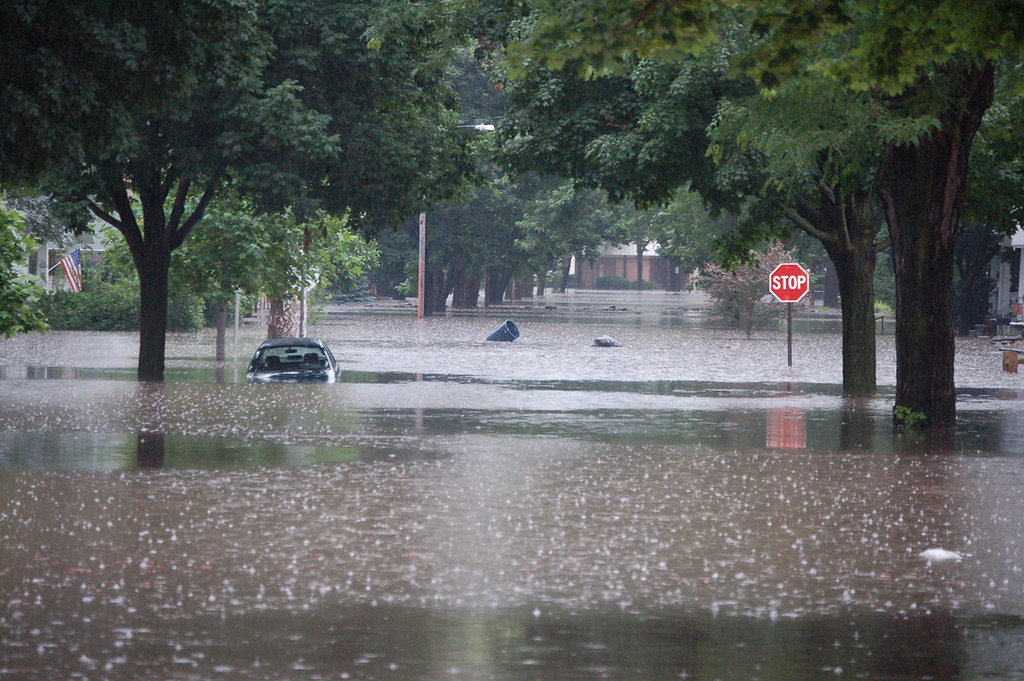
July 2026 Monsoon Flooding — Central Utah
- Recovery resources and next steps
- Insurance claim guidance
- Lessons learned for future prevention
- Professional restoration support
Mold can start growing within 24–48 hours of water exposure. Fast extraction and drying dramatically reduce secondary damage and health risks.
Live Conditions
Real-time weather radar for Utah
- Do NOT stand in water near electrical outlets or appliances
- Shut off main water supply if the source is a pipe or appliance
- Turn off electricity to affected areas at the breaker — only if safe to reach
- Do NOT use household vacuums on standing water
- Move to higher ground if water is rising rapidly
How DRT Helped Central Utah Recover from the July 2026 Monsoon Flooding
A Case Study & Recovery Resource for Price, Richfield, Ephraim, Manti, and Surrounding Communities
When monsoon storms swept through Carbon, Sevier, Sanpete, and Juab counties in July 2026, the Disaster Repair Team was on the ground — extracting water, drying structures, and helping families and businesses rebuild. This page documents what happened, what we learned, and what you should know if you're dealing with flood damage now or in the future.
Need help now? Call 24/7: 385-287-6344
What Happened: The July 2026 Central Utah Monsoon Event
In July 2026, intense monsoon moisture pushed through the central Utah corridor, producing heavy thunderstorms and triggering flash flood watches and warnings across Sanpete County (Ephraim, Manti, Mount Pleasant), Carbon County (Price, Helper), and Sevier County (Richfield, Salina). Localized rainfall overwhelmed drainages, canyons, and low-lying neighborhoods faster than many residents anticipated.
The event followed closely on the heels of Cottonwood Fire burn scar flooding that had already triggered a state of emergency in neighboring Beaver County — a stark reminder of how quickly Utah monsoon activity can escalate from a watch to a life-threatening, property-destroying emergency. In communities across the central corridor, basements filled, roadways washed out, and structures sustained serious water intrusion within hours.
DRT responded to calls across the region, deploying extraction and drying crews to dozens of homes and commercial properties throughout the affected counties.
What to Do After Your Home or Property Floods
Whether you experienced the July 2026 event or are dealing with flood damage today, these steps remain the same. Following them carefully protects both your safety and your insurance claim.
- Evacuate if water was rising rapidly — Before re-entering any flooded structure, confirm it is structurally safe and that utilities have been shut off or inspected.
- Do not drive through flooded or debris-covered roadways — Turn around, don't drown. This guidance applied during the July 2026 event and applies every monsoon season.
- Document all damage with photos and video before touching anything — A thorough visual record is the foundation of a successful insurance claim.
- Contact your insurance company to open a claim — Do this as early as possible. The sooner a claim is opened, the sooner remediation costs can be covered.
- Call DRT for a professional assessment — Water damage worsens rapidly. Mold can begin developing within 24–48 hours of a flood event. Early extraction and drying is critical. 385-287-6344
How DRT Responded — and What We Did
Throughout the July 2026 monsoon event and its aftermath, the Disaster Repair Team provided 24/7 emergency water damage restoration across Carbon, Sevier, Sanpete, and Juab counties. Our crews performed water extraction, structural drying, debris and mud removal, mold prevention treatments, air quality monitoring, and full reconstruction coordination for affected homeowners and businesses.
We worked directly with homeowners' insurance companies throughout the process — handling documentation, scope-of-loss coordination, and adjuster communication so that our clients could focus on their families rather than paperwork.
From Price to Richfield, Ephraim to Manti, DRT teams were embedded in these communities throughout recovery — and we remain available to respond when the next event occurs.
Questions about a past claim or current damage? Call us: 385-287-6344
Lessons Learned: What the July 2026 Event Taught Central Utah Homeowners
Having worked directly in the recovery from this event, DRT identified several patterns that made the difference between a manageable restoration and a far more costly outcome.
- Speed matters more than most people expect. Homeowners who called within the first 12–24 hours of flooding consistently saw better outcomes. Those who waited — hoping the water would dry on its own or that the damage wasn't as bad as it looked — often faced mold remediation on top of structural drying costs.
- Burn scars dramatically increase flash flood risk. Communities near recent wildfire areas, like those in counties adjacent to the Cottonwood Fire perimeter, experienced faster and more severe flooding than typical monsoon years. If your community is near a burn scar, treat any monsoon watch as an elevated threat.
- Canyon and drainage-adjacent properties need a plan before storm season. Many of the most severe flood intrusions in July 2026 occurred in homes located near canyon mouths and historic drainage paths. Having sandbags, a sump pump, and DRT's number saved some homeowners thousands of dollars.
- Insurance documentation should start the moment flooding begins. Homeowners who photographed rising water, damaged belongings, and structural intrusion in real time had significantly smoother claims processes. Don't wait until the water recedes to start documenting.
- Mud and debris removal is a specialty — not a DIY project. Several property owners who attempted their own cleanup discovered that improper handling spread contamination and complicated later remediation. DRT's mud and debris removal process is designed to protect both the structure and the occupants.
- Community preparedness conversations matter. Neighbors who had talked through emergency plans before the July 2026 storms — who had keys to each other's homes, who knew where shut-offs were — fared measurably better in the critical first hours of the event.
DRT Is the Central Utah Team That Has Been Through This Before
The July 2026 monsoon event was not the first time DRT responded to widespread flooding across central Utah, and it will not be the last. Utah's monsoon season, combined with the ongoing risk of burn scar flooding and aging drainage infrastructure in rural communities, means that flash flood events are a recurring reality for Price, Richfield, Ephraim, Manti, and the surrounding region.
DRT is locally based, regionally experienced, and available 24 hours a day, 7 days a week. We know these communities, we know these counties, and we know what it takes to bring a flooded property back to pre-loss condition.
If you are dealing with water damage — from this season or any past event — we are ready to help.
Call DRT 24/7: 385-287-6344
We serve Carbon, Sevier, Sanpete, Juab, and surrounding counties. Water extraction, structural drying, mold prevention, debris removal, and full reconstruction coordination. We work directly with your insurance company.
```Affected Areas
Select a city for location-specific emergency information and restoration resources.
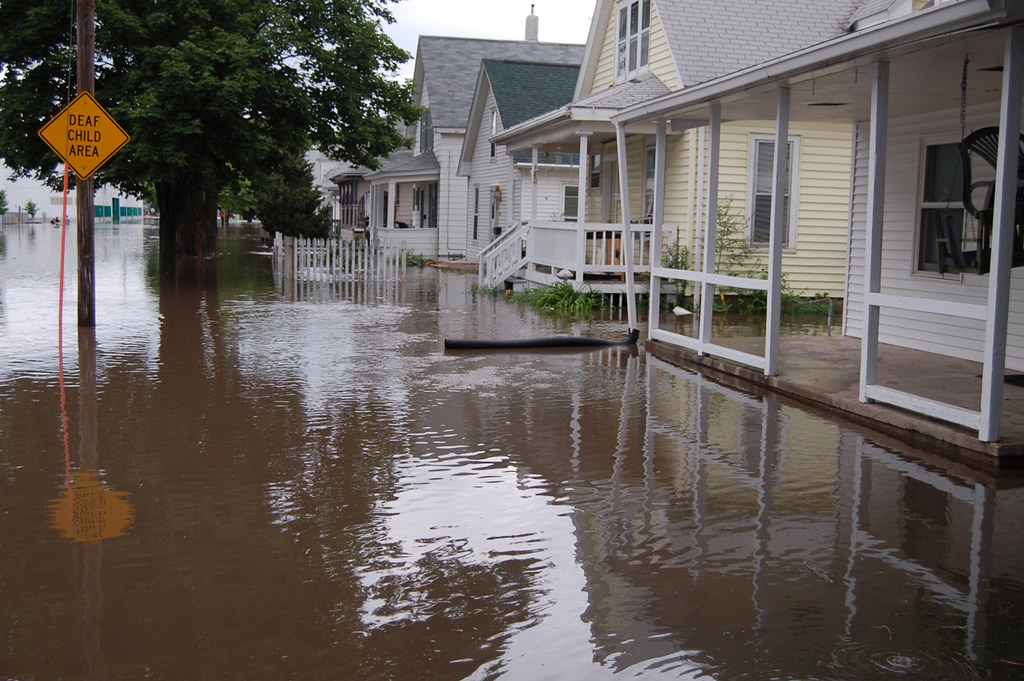
What to Expect When You Call
Here's how DRT responds to emergency calls:
Need Help Now?
The Disaster Repair Team provides 24/7 emergency restoration services across Utah.
Request Help Online