Emergency Flood & Water Damage Restoration — Richfield, Utah
- Recovery resources and next steps
- Insurance claim guidance
- Lessons learned for future prevention
- Professional restoration support
Mold can start growing within 24–48 hours of water exposure. Fast extraction and drying dramatically reduce secondary damage and health risks.
Live Conditions
Real-time weather radar for Utah
How DRT Helped Richfield Recover from the July 2026 Monsoon Flooding
A Recovery Case Study & Resource Guide — Central Utah (Price, Richfield, Ephraim, Manti)
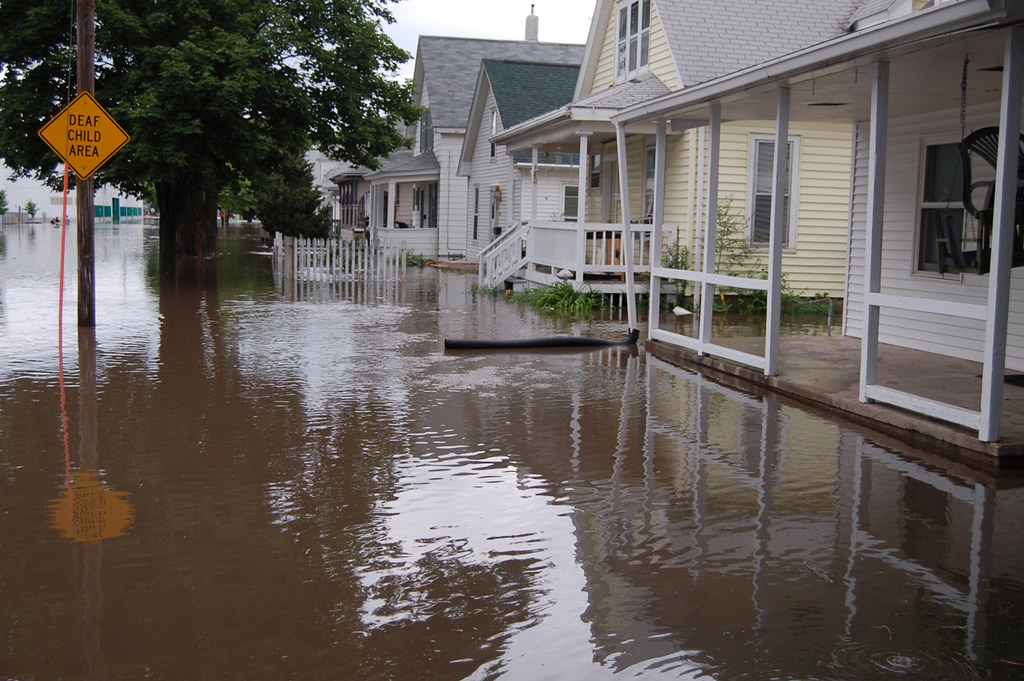
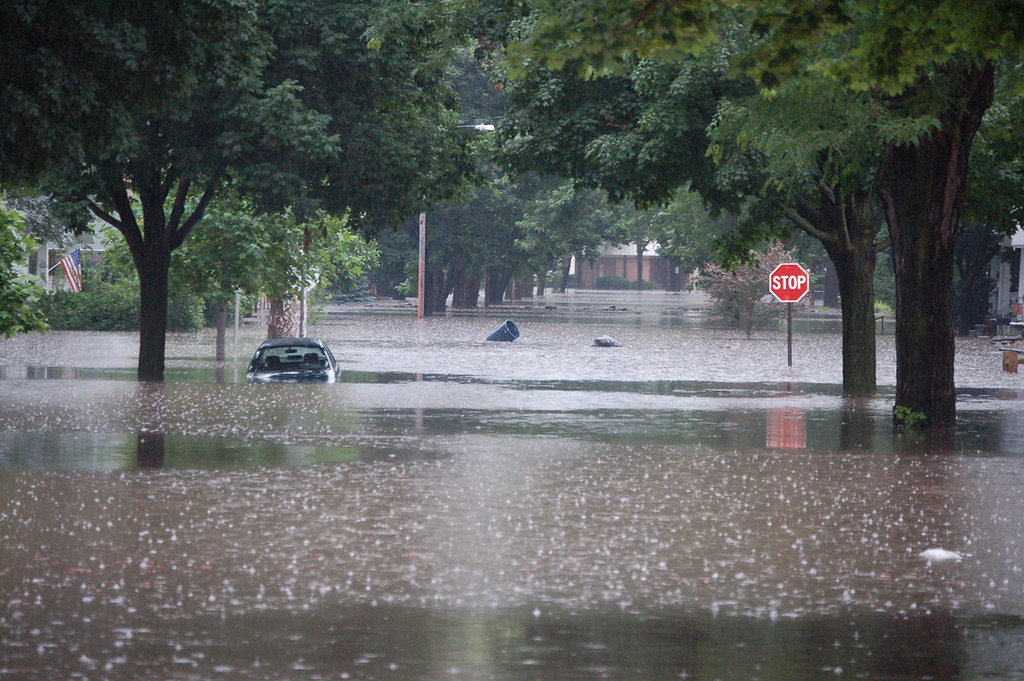
In July 2026, Sevier County experienced a significant flash flood event as intense monsoon storms moved through central Utah. The Richfield and Salina area — situated along the St. George–Richfield corridor — was identified by the National Weather Service as a zone of elevated excessive rainfall risk, with storms dropping half an inch or more of rain in under an hour. DRT responded to dozens of affected properties across the region. This guide documents what happened, how homeowners and businesses recovered, and what the experience taught our team and the communities we serve.
If you're dealing with flood or water damage now, don't wait. Call us 24/7: 385-287-6344
Why Central Utah Is Vulnerable to Flash Flooding
Richfield sits along I-70 and US-89 in the Sevier River valley — a natural drainage corridor that experienced rapid water rises during the July 2026 monsoon storms. Communities including Richfield, Salina, Monroe, Price, Ephraim, and Manti all faced varying degrees of flood impact. The geography that makes this region beautiful also makes it susceptible: valleys channel runoff quickly, and the ground has limited capacity to absorb sudden, intense rainfall. During the July 2026 event, that combination caught many property owners off guard.
Understanding this vulnerability is the first step toward being prepared. The July 2026 flooding was not a once-in-a-generation anomaly — it was consistent with the pattern of monsoon activity that central Utah sees every summer.
What Affected Property Owners Did Right: A Step-by-Step Recovery Guide
Based on what DRT's team observed and assisted with during the July 2026 response, here is the practical advice we gave — and continue to give — to property owners after a flood event:
1. Prioritize Safety Before Reentering
Homeowners who waited for official all-clear notices before reentering flooded properties avoided exposure to contaminated water, structural hazards, and downed electrical lines. Fast-moving water — even a few inches — had caused significant hidden damage in some structures. Do not reenter until local authorities have confirmed it is safe to do so.
2. Document Everything Before Touching It
The most successful insurance claims from the July 2026 event came from homeowners who photographed and video-recorded all damage before any cleanup began. This meant capturing standing water levels, damaged belongings, affected walls, flooring, and any visible structural issues. Thorough documentation from the start made the insurance coordination process significantly smoother.
3. Call a Professional Restoration Team Immediately
Time is the enemy after a flood. Properties where water extraction began within the first 24–48 hours experienced dramatically less secondary damage — particularly mold growth — than those where cleanup was delayed. DRT's same-day response during the July 2026 event allowed many Richfield-area property owners to avoid the more costly remediation work that sets in after 48–72 hours of moisture exposure.
4. Do Not Rely on Fans and Shop Vacs Alone
Several property owners who attempted DIY drying before calling DRT found that surface water removal was not sufficient. Water had wicked into subfloors, wall cavities, and insulation in ways that consumer equipment could not address. Professional structural drying equipment — industrial dehumidifiers, air movers, and moisture mapping tools — was required to fully dry affected structures and prevent mold.
5. Start the Insurance Process Early
DRT worked directly with insurance adjusters on behalf of Richfield-area clients during the July 2026 recovery. Property owners who contacted their insurers within the first 24 hours — and who had documentation ready — moved through the claims process faster. DRT's team handled the technical documentation, moisture readings, and scope-of-work reporting that adjusters required.
What DRT Did During the July 2026 Response
DRT mobilized across Sevier County and the broader central Utah region — including Richfield, Salina, Monroe, Price, Ephraim, and Manti — providing:
- Emergency water extraction — removing standing water from basements, ground floors, and crawl spaces
- Structural drying — deploying industrial drying systems and monitoring moisture levels over multiple days until structures reached safe dryness thresholds
- Debris removal — clearing flood-deposited sediment, damaged materials, and unsalvageable contents
- Mold prevention treatment — applying antimicrobial treatments to at-risk surfaces before mold could establish
- Insurance coordination — documenting damage and communicating directly with adjusters to support claims
DRT's familiarity with the central Utah region — its geography, its storm patterns, and its communities — meant our team knew where to respond first and how to scale quickly as the event unfolded.
Need help now? Call DRT 24/7: 385-287-6344
Lessons Learned: What the July 2026 Flooding Taught Central Utah Communities
Every major flood event leaves behind hard-won knowledge. Here is what the July 2026 monsoon season reinforced for DRT and for the communities we served:
Lesson 1: The Sevier River Valley Floods Faster Than People Expect
Many affected homeowners reported that water levels rose faster than they anticipated. The valley's drainage topography concentrates runoff quickly. Future preparedness plans should account for rapid onset — what looks like a modest storm upstream can translate to significant flooding downstream within minutes.
Lesson 2: Older Properties Are More Vulnerable
A significant portion of the July 2026 call volume came from older homes and commercial buildings that lacked modern moisture barriers, had aging foundation seals, or had crawl spaces that allowed water intrusion. Proactive waterproofing investments before storm season — not after — make a measurable difference.
Lesson 3: Waiting Costs More Than Acting
Properties where restoration was delayed by even 24–48 hours consistently required more extensive — and more expensive — remediation than those where DRT was called immediately. Mold can begin establishing in as little as 24–48 hours in warm, wet conditions. The July 2026 event, occurring during peak summer heat, accelerated that timeline.
Lesson 4: Insurance Documentation Is a First-Hour Priority
Property owners who treated documentation as their first task — before moving anything, before beginning any cleanup — had smoother claims outcomes. Those who cleaned up first and documented later often found gaps in their evidence that complicated the claims process.
Lesson 5: Local Knowledge Matters in Disaster Response
DRT's established presence in central Utah meant our team understood the specific flood dynamics of the Sevier River corridor, had existing relationships with local emergency management contacts, and could navigate the region efficiently during a high-demand event. Out-of-area contractors mobilized after large disasters often lack this contextual knowledge — and that gap shows in response time and coordination.
Lesson 6: Community Preparedness Reduces Individual Loss
Neighborhoods and businesses that had discussed flood response plans — knowing who to call, where shutoffs were located, and where to move vulnerable assets — fared better than those responding without any prior preparation. The July 2026 event is a case study in the value of pre-season planning.
DRT: Central Utah's Experienced Flood Restoration Team
DRT has served Richfield, Salina, Monroe, Price, Ephraim, Manti, and the broader central Utah region through flood events, water intrusion, and storm damage. The July 2026 monsoon was not our first response in this corridor — and the experience our team built through that event and others like it makes us a more effective partner for property owners facing water damage today.
We provide full-service flood restoration, including water extraction, structural drying, debris removal, mold prevention, and direct insurance coordination. Our team is available 24 hours a day, every day — because floods don't follow business hours.
If your property has been affected by flooding — whether from a recent storm or a past event with ongoing moisture problems — call DRT. We know this region, we know these storms, and we know how to help you recover.
Call DRT 24/7: 385-287-6344
```Most homeowner policies cover sudden water damage (burst pipes, appliance failures). Natural flooding typically requires separate flood insurance. Either way, DRT documents everything from day one — moisture readings, photos, scope of work — so your claim is supported whether it goes through your standard policy or a flood policy.
Frequently Asked Questions
How quickly does mold grow after flooding?
Will my homeowner's insurance cover flood damage restoration?
What should I NOT do after my home floods?
How quickly can DRT respond?
Do I need to file my insurance claim before calling DRT?
DRT serves Richfield and surrounding areas. View our full Richfield service area page for more about our restoration services in your area, or browse all service areas.
Need Help Now?
The Disaster Repair Team provides 24/7 emergency restoration services across Utah.
Request Help Online