Emergency Flood & Water Damage Restoration — Mount Pleasant, Utah
- Recovery resources and next steps
- Insurance claim guidance
- Lessons learned for future prevention
- Professional restoration support
Mold can start growing within 24–48 hours of water exposure. Fast extraction and drying dramatically reduce secondary damage and health risks.
Live Conditions
Real-time weather radar for Utah
How DRT Helped Mount Pleasant Recover from the July 2026 Monsoon Flooding
A Case Study & Recovery Resource for Central Utah — Serving Price, Richfield, Ephraim, Manti, and the Greater Sanpete Valley
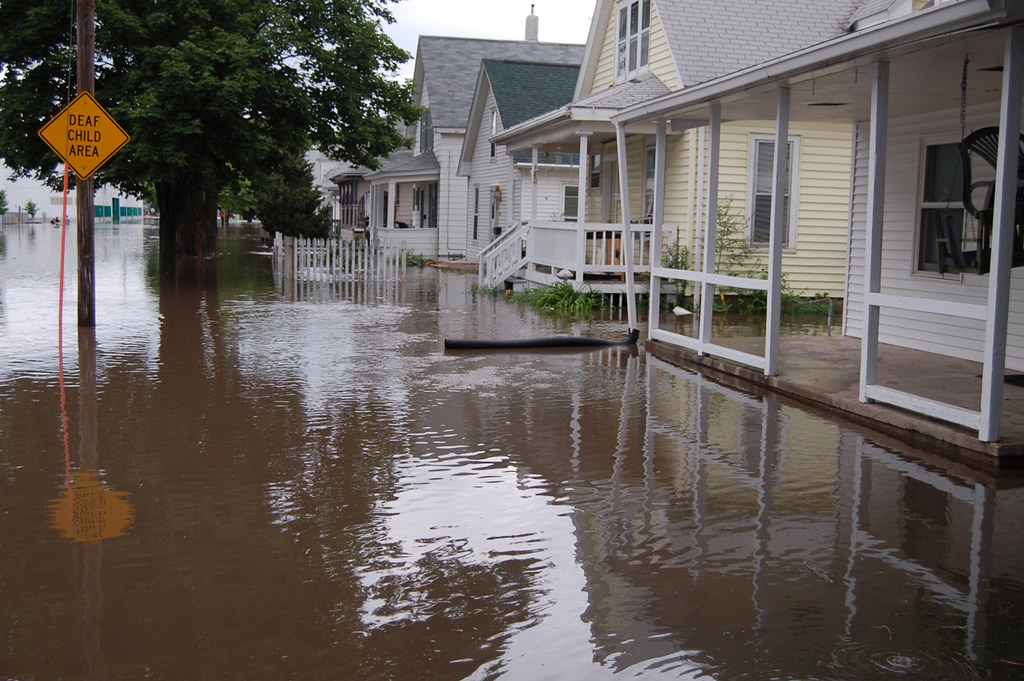
When the July 2026 monsoon system tracked across central Utah, Mount Pleasant and the surrounding Sanpete Valley communities faced some of the most severe flash flooding the region had seen in years. Canyon drainage systems surged with minimal warning. Homes, basements, and businesses across northern Sanpete County took on water fast — and residents needed help immediately.
The Disaster Repair Team (DRT) responded. This page documents what happened, how we helped, and what every Sanpete Valley homeowner should know if flooding ever strikes again.
If you're dealing with flood or water damage right now, don't wait — call us 24/7: 385-287-6344
Understanding the July 2026 Flood Event
Mount Pleasant sits in the northern Sanpete Valley, a geography that creates real flash flood vulnerability during heavy monsoon rainfall. In July 2026, the National Weather Service issued flash flood watches covering the full Sanpete Valley as storm cells repeatedly fired over the central Utah highlands.
The canyon drainage systems above Mount Pleasant, Moroni, Ephraim, and Manti channeled runoff into neighborhoods and low-lying properties with very little warning time — a pattern well-known to longtime residents but devastating when it finally arrives. Roads flooded. Crawl spaces and basements filled. Sediment and debris entered homes.
Communities throughout the valley — from Price in the north to Richfield in the south — experienced similar impacts as the monsoon system moved through the region.
How DRT Responded
Disaster Repair Team mobilized across northern Sanpete County within hours of the flooding. Our crews worked through Mount Pleasant, Moroni, and neighboring communities providing:
- Emergency water extraction — Removing standing water from basements, crawl spaces, and main living areas before saturation could cause deeper structural damage
- Industrial drying and dehumidification — Deploying commercial-grade air movers and dehumidifiers to dry out wall cavities, subfloors, and framing
- Debris and sediment cleanup — Clearing mud, silt, and flood-carried material that monsoon flooding typically deposits inside structures
- Mold prevention treatments — Applying antimicrobial treatments to stop mold growth before it started in the Utah summer heat
- Insurance documentation and coordination — Helping homeowners navigate the claims process with proper photo documentation, moisture readings, and scope-of-damage reporting
Need help now? We still serve the entire Sanpete Valley 24/7: 385-287-6344
What to Do After Flooding — Practical Steps That Made a Difference in 2026
Whether you're reviewing this as a precaution or dealing with water damage today, these are the steps that helped Mount Pleasant residents recover faster and avoid costly secondary damage:
- Call for professional water extraction immediately. Every hour of standing water increases structural saturation and the risk of mold. Residential wet-vacs are not enough for flood events — professional extraction equipment removes vastly more water, far faster.
- Document everything before cleanup begins. Photograph all water lines, damaged materials, and affected contents before anything is moved or removed. This documentation is critical for insurance claims.
- Do not run HVAC systems through flooded areas. Forced air through wet ductwork spreads contamination and airborne mold spores. Shut down central air until the structure has been assessed.
- Remove wet materials quickly. Drywall, insulation, carpet, and padding that stayed wet for more than 24–48 hours in the summer heat were far more likely to develop mold. Fast removal of saturated materials saved many homes from far larger remediation costs.
- Ventilate carefully. Opening windows and doors helps when outdoor humidity is lower than indoor humidity — but in monsoon conditions, outside air can be just as humid. Let your restoration team guide ventilation strategy.
- Contact your insurance provider early. File your claim as soon as possible and keep records of every conversation. DRT can assist with documentation to support your claim.
- Watch for delayed mold signs. Many residents who cleaned up surface water on their own discovered mold behind walls and under flooring 2–3 weeks later. If your home flooded and wasn't professionally dried, have it inspected.
Call DRT anytime — day or night: 385-287-6344
Lessons Learned from the July 2026 Monsoon Response
After working through dozens of flood-damaged properties across Mount Pleasant, Moroni, Ephraim, Manti, and the broader Sanpete and Sevier valleys, our crews came away with clear lessons that every central Utah homeowner should know:
Speed is everything in Utah's summer heat.
Mold can begin colonizing wet materials within 24–48 hours under normal conditions. In the July heat of central Utah, that window is shorter. Homeowners who called DRT within the first few hours of flooding consistently had better outcomes and lower total repair costs than those who waited even a day or two.
Canyon drainage events move faster than weather alerts.
The Sanpete Valley's canyon-fed flood pattern means water can arrive in neighborhoods before official warnings reach residents. Homeowners who had already identified their vulnerability — and had DRT's number saved — were able to get help on the way before the worst damage set in.
Flood damage hides.
The most expensive damage from the 2026 event wasn't always obvious at first glance. Water wicked up inside wall cavities, saturated subfloor sheathing, and pooled under vapor barriers in crawl spaces — invisible to the eye but measurable with moisture meters. Professional assessment found hidden moisture in dozens of properties that owners believed were "mostly dry."
Insurance outcomes improved with professional documentation.
Homeowners who had DRT on-site to document moisture readings, affected square footage, and material loss before any cleanup began received faster claim approvals and more complete settlements. Self-documented claims without professional data were often challenged or underpaid.
The Sanpete Valley is vulnerable every monsoon season.
July 2026 was a significant event — but it was not the first, and it will not be the last. The geography of central Utah means monsoon flooding is a recurring risk for communities from Price to Richfield. Preparation matters.
DRT Knows Central Utah — We've Worked Every Corner of the Sanpete and Sevier Valleys
Disaster Repair Team is a locally rooted restoration company serving central and eastern Utah. We've responded to flooding, water damage, and storm events across Mount Pleasant, Moroni, Ephraim, Manti, Fairview, Spring City, Price, Helper, Richfield, Salina, and surrounding communities.
We know the canyon drainage patterns. We know the soil types that slow drainage and trap moisture. We know how Utah's summer heat accelerates mold growth in saturated structures. And we know what insurance adjusters in this region need to process claims efficiently.
When flooding hits the Sanpete Valley again — and it will — DRT will be ready. We maintain 24/7 response capability throughout central Utah year-round.
Save our number now: 385-287-6344
Services We Provided During the July 2026 Response — And Offer Year-Round
- Emergency water extraction (24/7)
- Structural drying and dehumidification
- Flood debris and sediment removal
- Crawl space and basement flood cleanup
- Mold prevention and remediation
- Insurance claim documentation and coordination
- Content pack-out and protection
- Post-flood structural assessment
Serving Mount Pleasant, Moroni, Ephraim, Manti, Fairview, Spring City, Price, Richfield, Salina, and all of Sanpete and Sevier Counties.
Call Disaster Repair Team 24/7: 385-287-6344
We've been through this before. We'll be ready when you need us.
```Most homeowner policies cover sudden water damage (burst pipes, appliance failures). Natural flooding typically requires separate flood insurance. Either way, DRT documents everything from day one — moisture readings, photos, scope of work — so your claim is supported whether it goes through your standard policy or a flood policy.
Frequently Asked Questions
How quickly does mold grow after flooding?
Will my homeowner's insurance cover flood damage restoration?
What should I NOT do after my home floods?
How quickly can DRT respond?
Do I need to file my insurance claim before calling DRT?
DRT serves Mount Pleasant and surrounding areas. View our full Mount Pleasant service area page for more about our restoration services in your area, or browse all service areas.
Need Help Now?
The Disaster Repair Team provides 24/7 emergency restoration services across Utah.
Request Help Online