Emergency Flood & Water Damage Restoration — Price, Utah
- Recovery resources and next steps
- Insurance claim guidance
- Lessons learned for future prevention
- Professional restoration support
Mold can start growing within 24–48 hours of water exposure. Fast extraction and drying dramatically reduce secondary damage and health risks.
Live Conditions
Real-time weather radar for Utah
How DRT Helped Price Recover from the July 2026 Monsoon Flooding
A Recovery Case Study & Resource Guide — Central Utah (Price, Richfield, Ephraim, Manti)
When July 2026 monsoon storms swept through central Utah, communities across Carbon County faced some of the most significant flash flooding in recent memory. The Disaster Repair Team (DRT) was on the ground — extracting water, removing mud and debris, and helping homeowners and businesses begin the long road back. This guide documents what happened, what worked, and what every property owner in central Utah should know before the next storm season.
If you're dealing with flood damage now, we're still here. Call 24/7: 385-287-6344
Understanding the July 2026 Flood Event: What Carbon County Faced
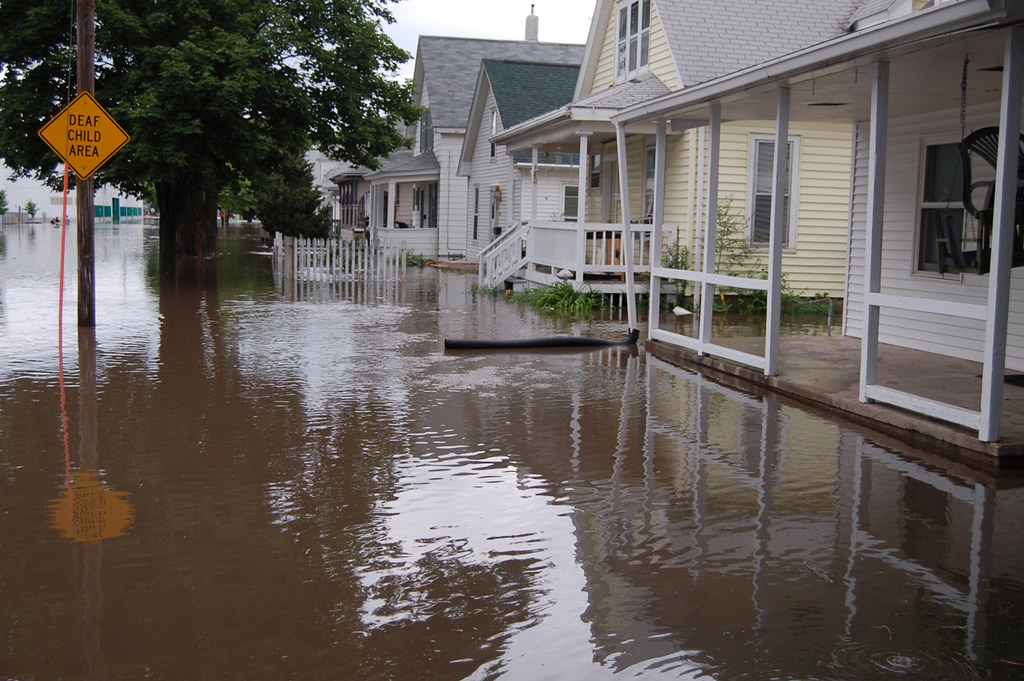
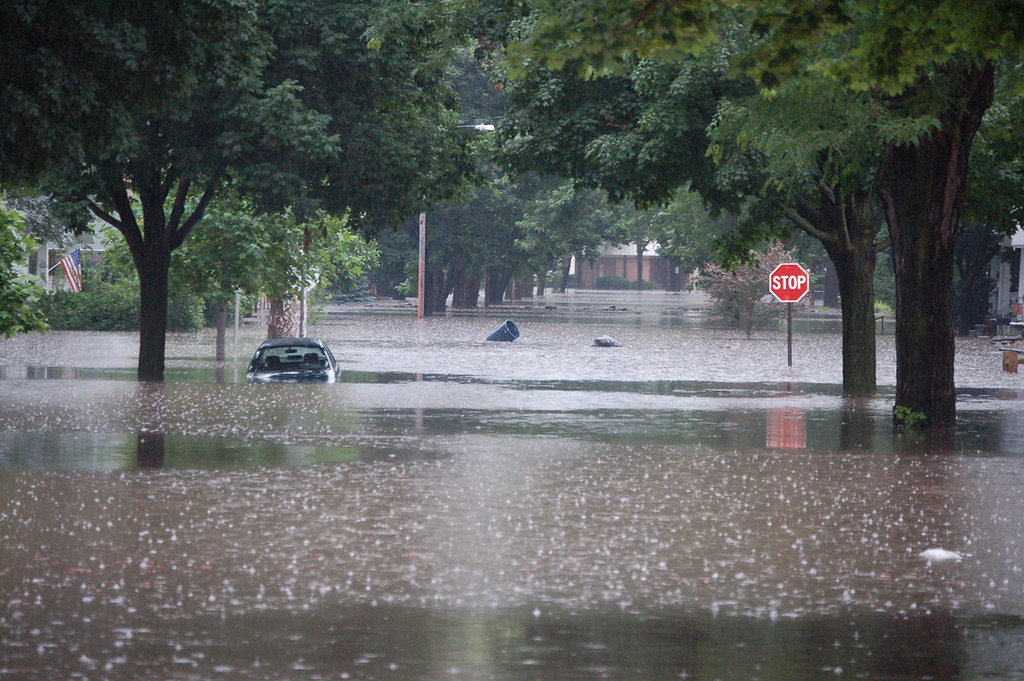
Price and the surrounding Carbon County area sit at the base of canyon drainage systems that channeled heavy runoff rapidly during the July 2026 monsoon storms. Moisture-laden storm cells tracked across the region in quick succession, giving the Price River corridor and surrounding drainages little time to recover between events. Water levels rose with minimal warning. Basements flooded. Ground-floor commercial spaces took on inches of standing water and debris within hours. Properties that had never flooded before were caught off guard.
Communities in Helper, Wellington, Richfield, Ephraim, and Manti faced similar conditions as the storm system moved through the broader central Utah region. The speed and scale of the flooding overwhelmed many property owners who had no prior plan in place.
What Property Owners Did After the Flooding — A Practical Recovery Guide
Based on our work during the July 2026 response, here is the step-by-step process that helped affected homeowners and businesses recover as quickly and safely as possible. These steps apply to any flood event in central Utah.
Step 1: Prioritize Safety Before Re-Entering
Many of the properties DRT responded to in July 2026 had compromised structural elements or hidden electrical hazards masked by standing water. Before re-entering any flooded building, property owners who fared best waited for confirmation that the structure was safe and utilities had been shut off at the source.
Step 2: Document Everything Before Cleanup Begins
Insurance claims moved faster for property owners who photographed and video-documented flood damage before any extraction or removal work began. Capture every affected room, every damaged item, and every visible waterline mark on walls and flooring. DRT's team can help coordinate this documentation alongside extraction — but the earlier it starts, the stronger the claim.
Step 3: Begin Water Extraction Immediately
Standing water left in place for more than 24–48 hours significantly increases the risk of mold growth and structural damage to subfloors, drywall, and framing. During the July 2026 response, DRT deployed extraction equipment to properties across Carbon County within hours of the initial calls. Speed of extraction was directly tied to how much secondary damage property owners ultimately faced.
Step 4: Remove Mud, Debris, and Saturated Materials
Flash flood water carries sediment, contaminants, and debris that embed in flooring, insulation, and wall cavities. Saturated drywall, insulation, and flooring materials that cannot be dried within the critical window must be removed. DRT handled full mud-out and debris removal for dozens of properties during the July 2026 event.
Step 5: Structural Drying with Professional Equipment
Industrial air movers and dehumidifiers operate differently than household fans. DRT used moisture mapping and professional drying equipment to reach moisture trapped inside wall assemblies and subfloors — moisture that causes mold and structural decay even when surfaces appear dry to the touch.
Step 6: Mold Prevention Treatment
Central Utah's post-monsoon heat and humidity create ideal conditions for rapid mold colonization. Antimicrobial treatment applied to affected structural surfaces during the drying phase was a key step in preventing mold problems from developing in the weeks and months after the July 2026 floods.
Step 7: Insurance Coordination
DRT worked directly with insurance adjusters on behalf of affected property owners throughout the July 2026 recovery. We documented scope of damage, provided drying logs and moisture readings, and communicated directly with carriers — reducing the administrative burden on property owners during an already stressful period.
Questions about your flood recovery options? Call DRT 24/7: 385-287-6344
Lessons Learned: What the July 2026 Floods Taught Central Utah Property Owners
Every major flood event leaves behind practical knowledge. Here is what DRT observed — and what property owners told us — in the aftermath of the July 2026 monsoon flooding.
Lesson 1: Carbon County's Canyon Drainage Geography Makes Speed Non-Negotiable
Properties near the Price River corridor and canyon drainages saw water arrive and recede faster than owners expected. There was often very little time between first warning and active flooding. Property owners who had already identified a restoration contractor — and had the number saved — were able to get help dispatched significantly faster than those who spent time researching options after the fact.
Lesson 2: "It's Never Flooded Before" Is Not a Reliable Predictor
A notable portion of the properties DRT responded to in July 2026 had no prior flood history. Changing precipitation patterns and monsoon intensity mean that historical flood maps and personal experience are incomplete guides. Flood preparedness matters even for properties that have never had a water event.
Lesson 3: Waiting to "See If It Dries Out" Cost Property Owners More
Several property owners who delayed professional extraction by 48–72 hours after the flood — hoping conditions would resolve on their own — faced significantly higher remediation costs due to mold growth and deeper structural saturation. Early intervention consistently produced better outcomes and lower overall restoration costs.
Lesson 4: Insurance Documentation Gaps Were the Most Common Complication
The single most frequent challenge DRT encountered during insurance coordination was insufficient pre-extraction documentation. Property owners who called DRT first, before beginning any cleanup themselves, had a much smoother claims process. The lesson: document before you touch anything, and let professionals handle removal.
Lesson 5: A Local Team That Knows the Region Makes a Difference
DRT's familiarity with central Utah geography, the specific drainage and flood behavior of the Carbon County area, and established relationships with local insurance adjusters allowed us to respond faster and communicate more effectively than out-of-area contractors who arrived later in the event. Local knowledge is a practical advantage in a regional disaster.
Lesson 6: Mold Prevention Cannot Be Skipped in Central Utah's Summer Climate
Properties that received extraction and drying without antimicrobial treatment in the July 2026 timeframe faced mold issues within weeks, particularly in enclosed wall cavities and under flooring. Post-flood mold prevention treatment is not optional in Utah's monsoon season climate — it is a necessary part of the restoration process.
About DRT's Central Utah Flood Response Capabilities
The Disaster Repair Team provides 24/7 emergency water damage restoration across central Utah, including Price, Helper, Wellington, Richfield, Ephraim, Manti, and throughout Carbon, Emery, and Sanpete Counties. Our services include:
- Emergency water extraction
- Structural drying with moisture mapping
- Mud-out and flood debris removal
- Mold prevention treatment
- Full insurance coordination and documentation support
- Structural repair and full restoration
We have worked through flash flood events, canyon drainage flooding, and monsoon storm damage across this region. When the next event comes, we will be ready — and we want you to be ready too.
Save our number now. Call or text 24/7: 385-287-6344
Don't wait until you're standing in water to find a restoration contractor. The property owners who recovered fastest from the July 2026 floods were the ones who knew who to call.
Call DRT: 385-287-6344 — Available 24 hours a day, 7 days a week, for flood and water damage emergencies throughout central Utah.
```Most homeowner policies cover sudden water damage (burst pipes, appliance failures). Natural flooding typically requires separate flood insurance. Either way, DRT documents everything from day one — moisture readings, photos, scope of work — so your claim is supported whether it goes through your standard policy or a flood policy.
Frequently Asked Questions
How quickly does mold grow after flooding?
Will my homeowner's insurance cover flood damage restoration?
What should I NOT do after my home floods?
How quickly can DRT respond?
Do I need to file my insurance claim before calling DRT?
DRT serves Price and surrounding areas. View our full Price service area page for more about our restoration services in your area, or browse all service areas.
Need Help Now?
The Disaster Repair Team provides 24/7 emergency restoration services across Utah.
Request Help Online