Emergency Flood & Water Damage Restoration — Manti, Utah
- Recovery resources and next steps
- Insurance claim guidance
- Lessons learned for future prevention
- Professional restoration support
Mold can start growing within 24–48 hours of water exposure. Fast extraction and drying dramatically reduce secondary damage and health risks.
Live Conditions
Real-time weather radar for Utah
How DRT Helped Manti Recover from the July 2026 Monsoon Flooding
A Recovery Case Study & Resource Guide — Central Utah: Price, Richfield, Ephraim, and Manti
When July 2026 monsoon storms tracked through central Utah, Sanpete County faced some of the most aggressive flash flooding the region had seen in years. The Disaster Repair Team (DRT) responded across Manti, Ephraim, Richfield, and Price — extracting water, drying structures, and helping families get back into their homes. This page documents what happened, what we learned, and what you should do if flooding ever strikes your property again.
If you're dealing with flood or water damage right now, don't wait — call us 24/7: 385-287-6344
What Happened: The July 2026 Sanpete Valley Flood Event
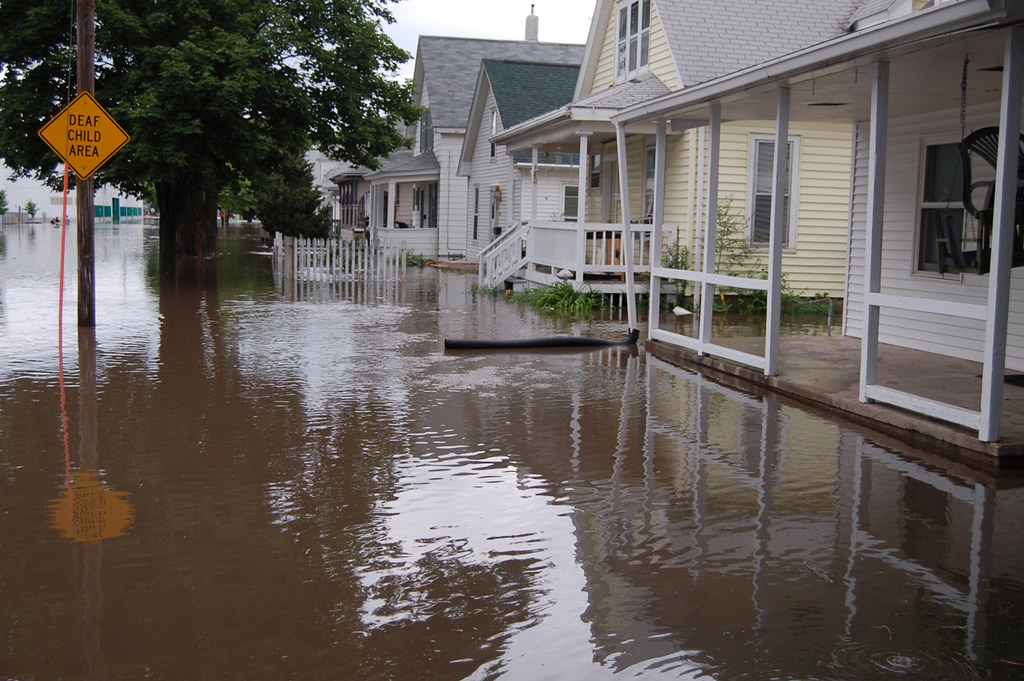
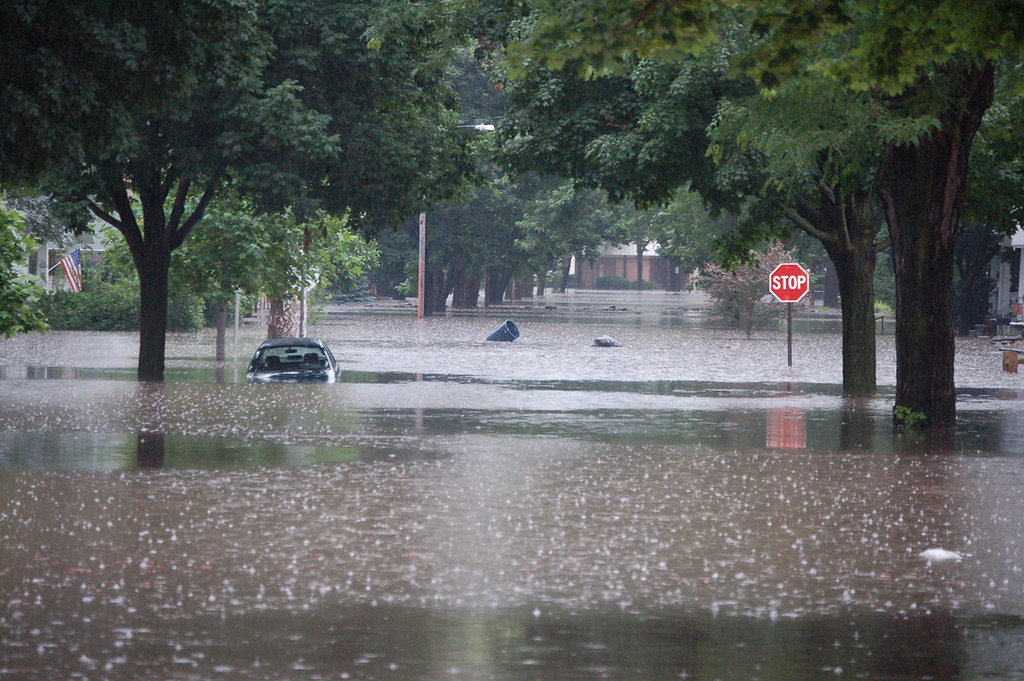
Manti sits below the Wasatch Plateau canyon drainages that feed directly into the Sanpete Valley during heavy storms. In July 2026, a sustained monsoon pattern brought repeated rounds of intense thunderstorms across central Utah, triggering a NWS Sanpete Valley Flood Watch and producing flash flood conditions with little warning. Canyon runoff moved rapidly down drainages, overwhelming culverts and flowing into homes, basements, and businesses throughout the valley.
Communities from Price in the north to Richfield in the south were affected. In Manti and Ephraim, residents found themselves with standing water inside their homes within minutes of the storms hitting. Many had never experienced flooding of this speed or scale before.
How DRT Responded
DRT crews mobilized across the region within hours of initial reports. Our teams provided:
- Emergency water extraction — removing standing water from homes and structures before secondary damage could set in
- Structural drying — deploying industrial air movers and dehumidifiers to dry walls, subfloors, and framing
- Mud and debris removal — clearing the sediment-laden floodwater that monsoon events typically leave behind
- Mold prevention treatment — applying antimicrobials to at-risk surfaces within the critical early window
- Insurance claim coordination — working directly with adjusters to document damage and support homeowners through the claims process
Same-day response was available throughout the event, and our familiarity with Sanpete County geography — the canyon drainages, the soil composition, the older housing stock — meant our crews knew exactly what to look for and where hidden moisture was likely to travel.
Call DRT 24/7 for flood and water damage restoration: 385-287-6344
What to Do After a Flood: Practical Steps for Central Utah Homeowners
Whether you're recovering from a past event or preparing for the next monsoon season, these are the steps that made the biggest difference for homeowners we worked with in 2026:
- Don't re-enter until it's safe. Confirm that floodwaters have receded, that there are no structural hazards, and that utilities have been inspected before going back inside.
- Document everything before cleanup begins. Photograph and video all damage — walls, flooring, personal property, exterior — before touching anything. This documentation is critical for insurance claims.
- Call a restoration professional immediately. The window to prevent mold growth is narrow — typically 24 to 48 hours. Every hour of delay increases the risk of secondary damage.
- Do not use household fans to dry a flooded space. Without proper moisture measurement and airflow management, standard fans can spread moisture into unaffected areas and walls.
- Watch for mud and sediment in hidden areas. Monsoon flooding carries fine sediment that works into wall cavities, under flooring, and into HVAC systems. A visual inspection of visible surfaces is not enough.
- Contact your insurance provider early. Report the claim as soon as possible and ask your adjuster about coverage for temporary housing, contents, and structural repairs.
- Ask your restoration contractor about mold testing. After drying is complete, a clearance test confirms that moisture levels are back to normal and that no mold colonization occurred.
Lessons Learned: What the July 2026 Event Taught Us
After working through one of central Utah's most significant recent flood events, our team came away with hard-won knowledge we now share with every homeowner we serve:
Canyon Drainages Move Faster Than People Expect
Many Manti and Ephraim residents were caught off guard by how quickly water arrived. The Wasatch Plateau drainages can deliver large volumes of water to valley-floor neighborhoods within minutes of a storm cell hitting the upper elevations. By the time radar shows rain over town, runoff from the canyons may already be on its way. In future monsoon seasons, don't wait for water at your door — if a flash flood watch is issued for Sanpete County, begin moving valuables to higher levels of your home immediately.
Older Construction Requires Closer Inspection
Much of the housing stock in Manti, Ephraim, and surrounding communities includes older masonry and adobe-influenced construction. These materials absorb and hold moisture differently than modern framing. During the 2026 response, we found significant moisture in wall assemblies that showed no visible surface damage — underscoring the importance of moisture mapping with professional equipment rather than relying on visual assessment alone.
Mud Is a Restoration Problem, Not Just a Cleanup Problem
Monsoon floodwater is not clean water. The fine sediment left behind by the July 2026 storms infiltrated subfloor cavities, HVAC returns, and wall bases in ways that required specialized extraction and cleaning — not just mopping and drying. Homeowners who attempted DIY cleanup without addressing the sediment in concealed spaces faced mold problems weeks later.
Early Coordination with Insurance Saves Time and Money
Homeowners who called their insurance providers within the first 24 hours — and who had thorough photo documentation — moved through the claims process significantly faster than those who waited. DRT's on-site documentation support helped many clients avoid coverage disputes over the extent of damage.
Community Preparation Makes a Real Difference
Neighborhoods where residents had a restoration contact ready — and knew the basic steps to take before help arrived — experienced less secondary damage. Having a plan, knowing what not to do (running fans, discarding damaged materials before documentation), and making a single early call to a professional team compressed recovery timelines meaningfully.
DRT Serves Central Utah — We Know This Region
The Disaster Repair Team is based in central Utah and has served Manti, Ephraim, Price, Richfield, and communities throughout Sanpete, Carbon, and Sevier counties through multiple weather events. We understand the local geography, the building stock, and the way monsoon flooding behaves in this valley. When the next storm comes — and in central Utah, it will — you don't want to explain your situation to a call center. You want a local team that has already been there.
We provide emergency water damage restoration including water extraction, structural drying, mud and debris removal, mold prevention, and full insurance claim coordination. Same-day response is available throughout our service area.
Save our number now — available 24/7: 385-287-6344
Ready When You Need Us
If your home or property has been affected by flooding — whether from a recent storm or a past event you're still dealing with — call the Disaster Repair Team. We've helped this community recover before, and we're ready to help again.
```Most homeowner policies cover sudden water damage (burst pipes, appliance failures). Natural flooding typically requires separate flood insurance. Either way, DRT documents everything from day one — moisture readings, photos, scope of work — so your claim is supported whether it goes through your standard policy or a flood policy.
Frequently Asked Questions
How quickly does mold grow after flooding?
Will my homeowner's insurance cover flood damage restoration?
What should I NOT do after my home floods?
How quickly can DRT respond?
Do I need to file my insurance claim before calling DRT?
DRT serves Manti and surrounding areas. View our full Manti service area page for more about our restoration services in your area, or browse all service areas.
Need Help Now?
The Disaster Repair Team provides 24/7 emergency restoration services across Utah.
Request Help Online