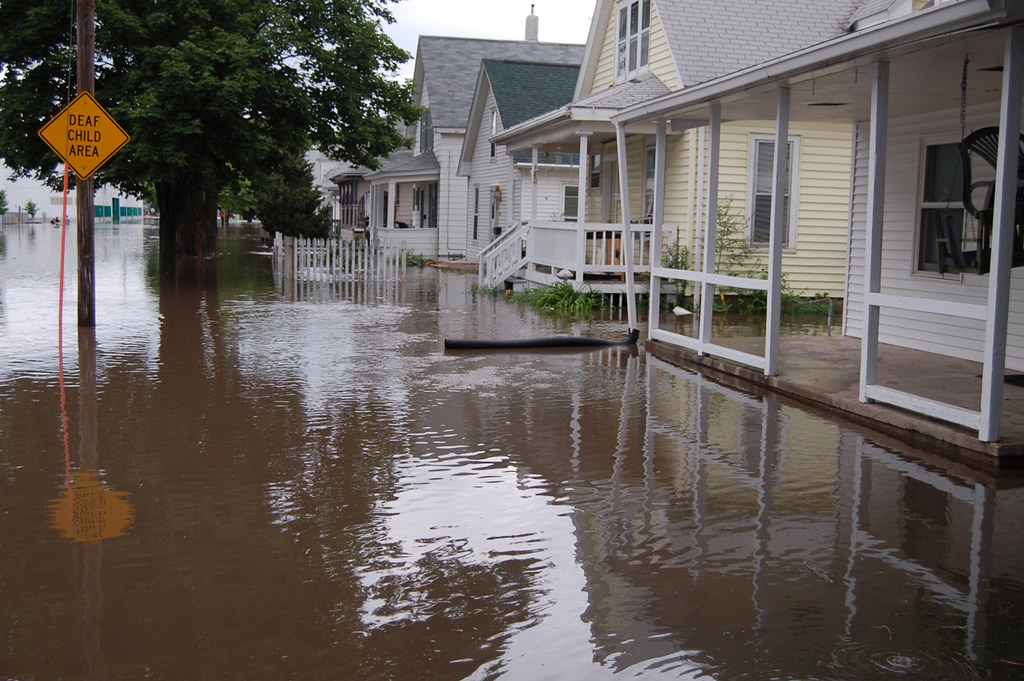
Eagle Idaho Flooding — Emergency Water Damage Response
- Recovery resources and next steps
- Insurance claim guidance
- Lessons learned for future prevention
- Professional restoration support
Mold can start growing within 24–48 hours of water exposure. Fast extraction and drying dramatically reduce secondary damage and health risks.
Live Conditions
Real-time weather radar for Idaho
DRT Response Guide: Flooding in Eagle, Idaho
When flooding conditions spread across Ada County, Eagle homeowners can face severe water intrusion. DRT is available 24/7 to respond throughout the region, including Eagle and surrounding Ada County communities. If you are dealing with water intrusion right now, call immediately:
385-287-6344 — 24/7 Emergency Line
Why Eagle Is Vulnerable to Flooding
Eagle's proximity to the Boise River and its network of irrigation canals creates elevated flooding risk during heavy rainfall events. As storm drainage becomes overwhelmed, groundwater pressure increases rapidly — and basements and crawl spaces are the first places homeowners feel it.
Homes in Dry Creek, Beacon Light, and established downtown Eagle neighborhoods present different foundation types and water intrusion patterns. Understanding how flooding behaves across Eagle's varied housing stock helps homeowners respond appropriately.
Water Intrusion Warning Signs to Watch For
These are the most common early signs Eagle residents notice that require immediate professional response:
- Water entering through basement walls, floor drains, or window wells
- Sump pumps running continuously or unable to keep up with incoming water
- Wet insulation discovered in crawl spaces or attic areas
- Cracks in foundations with water actively weeping through
- Damp smell or visible moisture forming on concrete walls
- Standing water in basements, crawl spaces, or garages
If you are seeing any of these signs, do not wait. Early intervention is the single biggest factor in limiting damage and preventing mold.
Professional Restoration vs. DIY: What the Difference Looks Like
Many homeowners initially attempt to manage water intrusion with consumer fans and dehumidifiers. While those tools dry the air, they do not dry structural materials. Walls, subfloor, and framing can hold significant moisture long after surfaces feel dry to the touch — and mold begins developing inside wall cavities within 48 to 72 hours of initial intrusion.
DRT deploys industrial drying systems that work three to five times faster than consumer equipment, and uses thermal imaging cameras to locate water trapped behind drywall before it becomes a mold problem. Moisture mapping at the start and end of each job provides documentation homeowners need for insurance claims.
What Eagle Homeowners Should Know About Flooding
The nature of flooding in the Eagle area creates patterns worth understanding before an emergency occurs:
- Call sooner than feels necessary. Homeowners who wait 24 to 48 hours to call consistently face larger remediation scopes and higher costs than those who call at the first sign of intrusion.
- Sump pump failure is a leading cause of loss. Testing your sump pump annually and having a battery backup in place is one of the highest-value preventive steps an Eagle homeowner can take.
- Crawl spaces are frequently overlooked. Homeowners focused on visible basement water often have undetected moisture in crawl spaces that later requires separate remediation. Any flooding event warrants a crawl space inspection.
- Insurance documentation matters from the first hour. Having a restoration company document conditions before any cleanup produces significantly smoother claims processes. Moisture reports and drying logs support claims directly.
- Neighborhood drainage patterns repeat. Specific streets and subdivisions experience flooding in predictable ways based on grading and canal proximity. If your neighbors flooded, your property warrants inspection even if you see no immediate signs.
What to Do After a Flooding Event in Eagle
- Do not enter areas with standing water until you have confirmed electrical systems in that area are shut off.
- Call DRT immediately — water mitigation is time-sensitive and response order matters.
- Document everything with photos and video before moving or removing anything.
- Contact your insurance carrier to open a claim and ask for a claim number.
- Do not run HVAC systems through flooded areas, as this can spread contamination.
- Remove standing water with a wet vac if safe to do so, but do not attempt to dry structural materials yourself.
- Keep all receipts for any emergency expenses.
DRT Is Ready to Respond in Eagle and Ada County
DRT is available 24/7 for water damage emergencies throughout Eagle, Boise, Nampa, and surrounding Ada County communities. When flooding occurs — whether from a major weather event or a single failed appliance — call us. The sooner we respond, the better the outcome.
385-287-6344 — 24/7 Emergency Line
435-619-9594 — Additional dispatch line
Most homeowner policies cover sudden water damage (burst pipes, appliance failures). Natural flooding typically requires separate flood insurance. Either way, DRT documents everything from day one — moisture readings, photos, scope of work — so your claim is supported whether it goes through your standard policy or a flood policy.
Frequently Asked Questions
How quickly does mold grow after flooding?
Will my homeowner's insurance cover flood damage restoration?
What should I NOT do after my home floods?
How quickly can DRT respond?
Do I need to file my insurance claim before calling DRT?
DRT serves Eagle and surrounding areas. View our full Eagle service area page for more about our restoration services in your area, or browse all service areas.
Need Help Now?
The Disaster Repair Team provides 24/7 emergency restoration services across Idaho.
Request Help Online