Meridian Idaho Flooding 2026 — Emergency Water Damage Restoration
- Recovery resources and next steps
- Insurance claim guidance
- Lessons learned for future prevention
- Professional restoration support
Mold can start growing within 24–48 hours of water exposure. Fast extraction and drying dramatically reduce secondary damage and health risks.
Live Conditions
Real-time weather radar for Idaho
- Do NOT stand in water near electrical outlets or appliances
- Shut off main water supply if the source is a pipe or appliance
- Turn off electricity to affected areas at the breaker — only if safe to reach
- Do NOT use household vacuums on standing water
- Move to higher ground if water is rising rapidly
DRT Responds to Idaho Flooding Events: What Homeowners Need to Know
When flooding events hit communities in Meridian and Eagle, Idaho, homeowners face an urgent, time-critical recovery process. The Disaster Repair Team monitors regional emergencies and is available to dispatch crews to Ada County and surrounding Idaho communities when flooding occurs. This page is an evergreen resource for anyone recovering from flood damage in the Meridian and Eagle area — now or in the future.
If floodwater has entered your home, the clock is running. Call DRT now — every hour of standing water multiplies structural damage and mold risk:
385-287-6344 — 24/7 Emergency Response
435-619-9594 — Additional Line
What Happens During a Meridian-Area Flooding Event
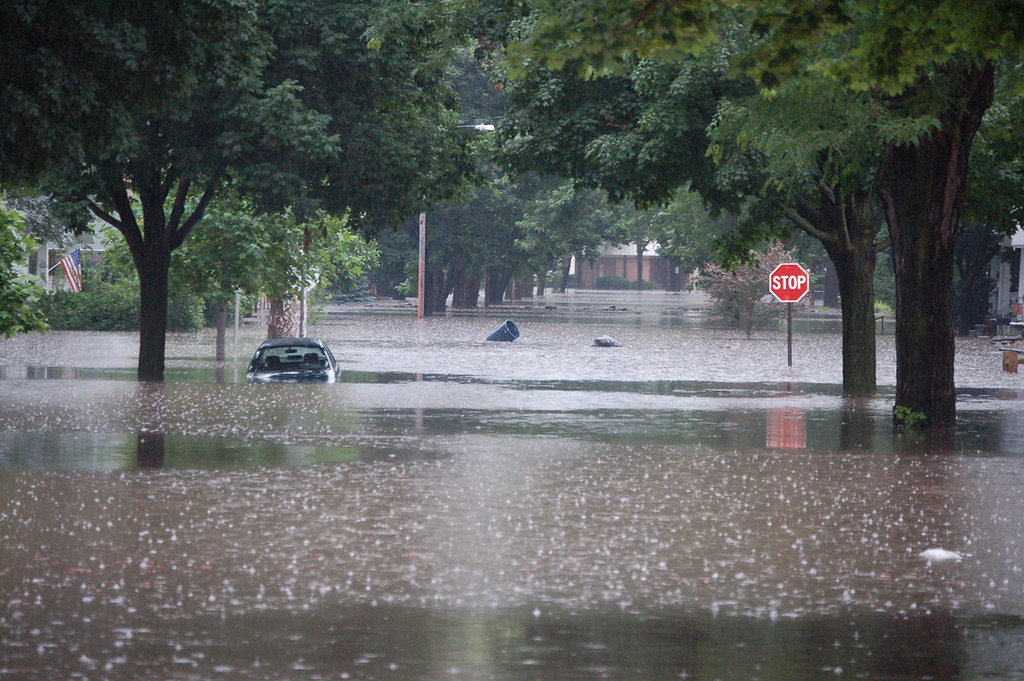
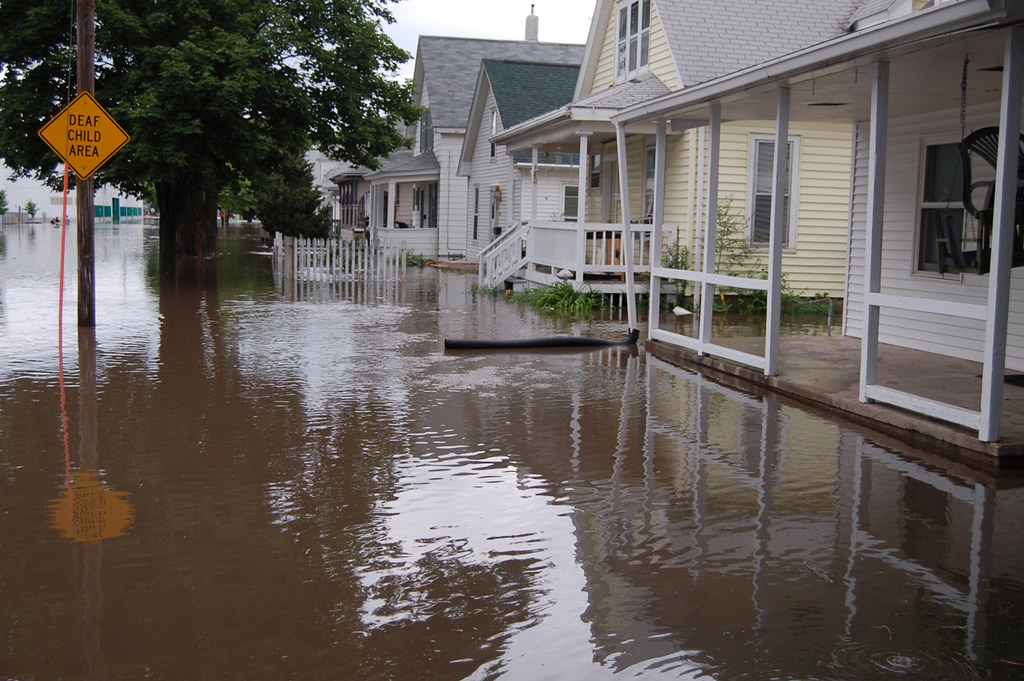
- Widespread street flooding: Storm runoff overwhelms drainage infrastructure throughout Meridian and surrounding Ada County communities
- Basement intrusion: Groundwater and surface runoff enter basements across affected areas
- Escalating risk: Every hour of standing water increases structural damage and accelerates mold growth — making speed of response one of the defining factors in recovery outcomes
Why Water Damage Response Speed Determines Recovery Outcomes
Water damage is one of the most time-critical restoration scenarios that exists. Within the first hour, water saturates building materials and begins penetrating walls, subfloor, and structural framing. Within 24 hours, mold begins colonizing wet surfaces. By 48 to 72 hours, structural damage in homes that have not yet received professional intervention becomes significantly more costly — and in some cases, irreversible without major reconstruction.
Basement flooding from street runoff and groundwater intrusion is especially hazardous because the water often carries contaminants from sewer overflow and surface runoff, classifying it as Category 2 or Category 3 water. This level of contamination requires specialized extraction equipment and antimicrobial treatment — not a shop vac and fans — and homeowners who attempt DIY mitigation frequently face secondary mold and contamination problems weeks later.
How DRT Responds: Flood Restoration Services
- 24/7 emergency water extraction — truck-mounted equipment removes hundreds of gallons per hour from affected structures
- Structural drying with industrial air movers and dehumidifiers placed throughout affected areas and monitored daily
- Moisture mapping — thermal imaging cameras and calibrated moisture meters identify hidden water trapped inside walls and subfloor cavities
- Category 2/3 water treatment — antimicrobial application to all surfaces that contacted contaminated floodwater
- Mold prevention protocols applied within the first 24 hours to stop growth before it can establish
- Content removal and pack-out — salvageable belongings moved to dry, climate-controlled storage during the drying process
- Insurance documentation — detailed moisture logs, time-stamped photo documentation, and direct claim coordination with adjusters
- Full structural repair and reconstruction — drywall, flooring, and framing restoration after certified drying is complete
What Flooding Teaches Homeowners: Key Lessons for Ada County Properties
- Calling within the first hour makes a measurable difference. Homeowners who contact a restoration company before water has stood for 24 hours consistently have lower total restoration costs, shorter drying timelines, and no secondary mold claims.
- Category 3 water is not a DIY situation. Floodwater that enters through floor drains, window wells, or overwhelmed sump systems is contaminated. Professional-grade antimicrobial treatment at the time of extraction is not optional for this water category.
- Hidden moisture causes the most expensive secondary damage. Thermal imaging reveals water trapped inside wall cavities and under flooring that is completely invisible on the surface. Structures dried with consumer fans without moisture mapping frequently develop active mold colonies within two weeks.
- Insurance documentation starts at extraction, not at claim time. Homeowners who have a professional restoration company on-site from day one benefit from real-time moisture logs and photo documentation that support claim approvals.
- Sump pumps and backflow valves are worth the investment. Battery backup sump systems and drain backflow valves are among the highest-value preventive measures an Idaho homeowner can install before storm season.
- Community flooding events overwhelm regional restoration capacity fast. Having a restoration company number saved before an emergency — rather than searching during one — is a genuine advantage.
If You Are Dealing With Flood Damage Now
DRT is available 24/7 for water damage emergencies throughout Idaho and the broader Intermountain West. Whether you are responding to an active flooding event or dealing with the aftermath, call us immediately for an assessment and response:
385-287-6344 — 24/7 Emergency Response
435-619-9594 — Additional Line
Affected Areas
Select your area below for specific local information and to request emergency response or a post-flood assessment.
Affected Areas
Select a city for location-specific emergency information and restoration resources.
What to Expect When You Call
Here's how DRT responds to emergency calls:
Need Help Now?
The Disaster Repair Team provides 24/7 emergency restoration services across Idaho.
Request Help Online