Meridian Idaho Flooding — Emergency Water & Basement Restoration
- Recovery resources and next steps
- Insurance claim guidance
- Lessons learned for future prevention
- Professional restoration support
Mold can start growing within 24–48 hours of water exposure. Fast extraction and drying dramatically reduce secondary damage and health risks.
Live Conditions
Real-time weather radar for Idaho
DRT Response Guide: Flooding in Meridian, Idaho
When heavy flooding hits Meridian, Idaho, water enters basements throughout Ada County and the recovery process is urgent and time-sensitive. The Disaster Repair Team is available 24/7 to respond throughout Ada County and surrounding Idaho communities. If you are dealing with water damage right now, call us immediately:
385-287-6344 — Call Now, 24/7
What Happens During Meridian Flooding Events
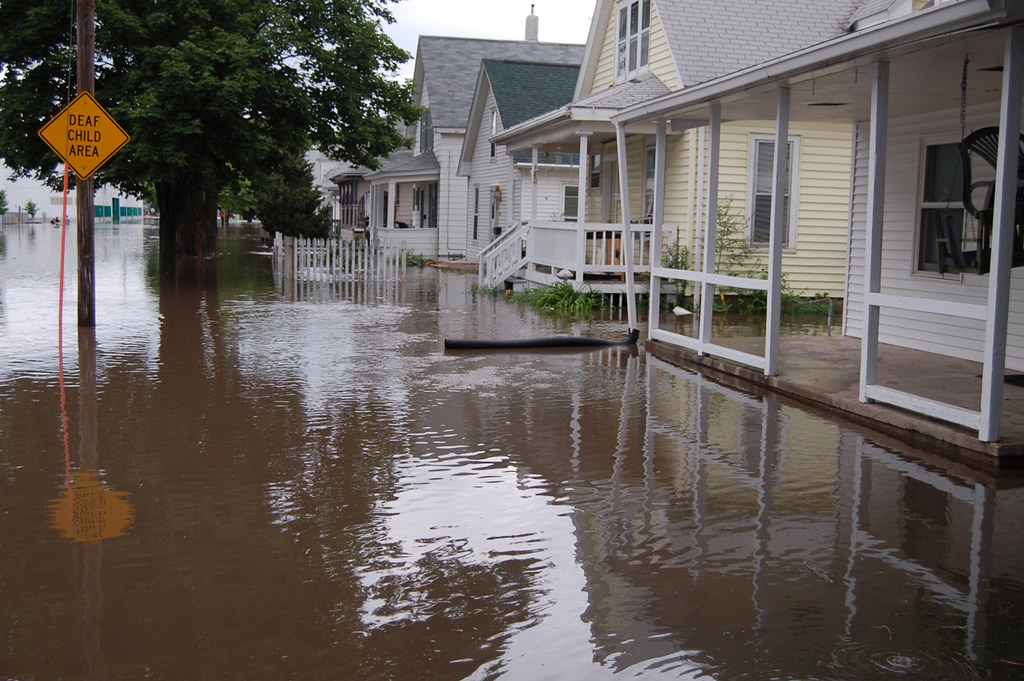
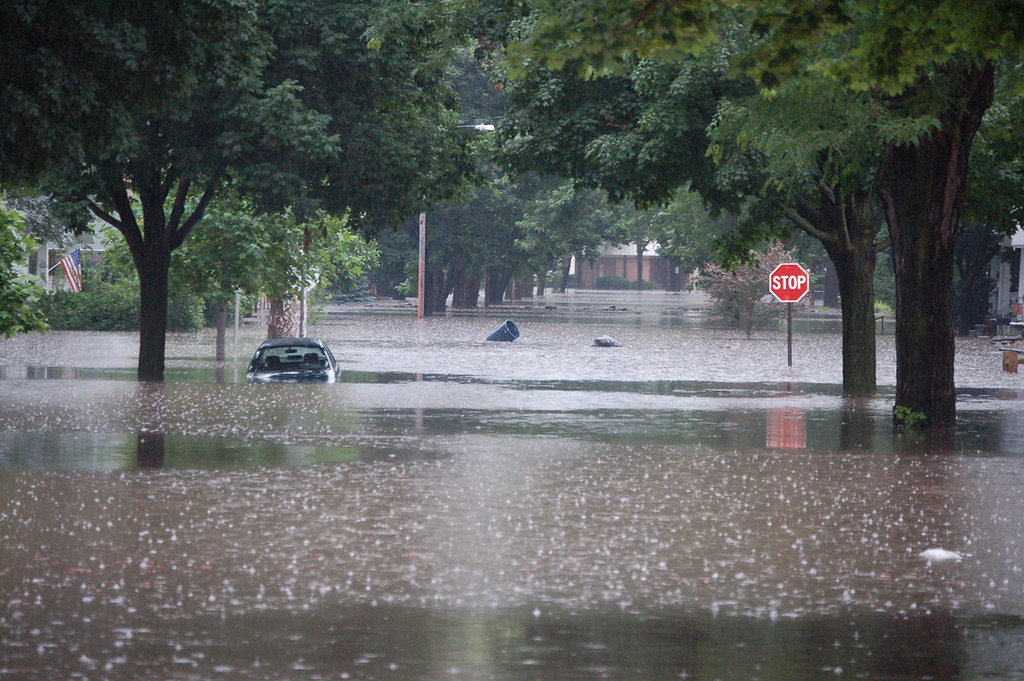
Heavy precipitation can overwhelm storm drainage infrastructure across Meridian, causing widespread street flooding and basement water intrusion throughout Ada County. The area's terrain and naturally high water table during heavy rain events means groundwater rapidly enters homes through foundation cracks, window wells, and floor drains.
Signs Your Home Needs Emergency Water Damage Restoration
These warning signs require immediate action — the sooner a professional responds, the less structural damage results:
- Standing water on the basement floor — even a thin layer
- Water seeping through foundation walls or floor cracks
- Wet carpet, warping hardwood floors, or bubbling drywall
- Sump pump failure during the storm
- Sewage backup or drain overflow mixed with floodwater
- A developing musty smell — an early indicator of mold growth
If you are seeing these signs now, do not wait:
What DRT Does When We Arrive
Every DRT response follows the same proven process — the same process used on every job:
- Rapid dispatch — crews deploy immediately after each call
- Immediate water extraction — truck-mounted pumps begin the moment crews arrive on site
- Full moisture assessment — including hidden moisture behind walls and under floors that homeowners cannot see
- Industrial drying equipment set within the first hour to begin structural drying before secondary damage can set in
- Contamination treatment for any properties where floodwater involves sewer backup or surface runoff
- Daily monitoring until moisture readings return to normal baseline levels
- Insurance coordination — DRT documents everything so homeowners have a complete record for their claims
What Meridian Homeowners Should Know About Flooding
The nature of flooding in Ada County creates patterns that every Meridian homeowner should keep in mind:
- Time is the most critical factor. Homes where water sits for more than a few hours before extraction begins consistently require more extensive — and more expensive — repairs. Permanent damage to flooring, drywall, and structural materials begins within hours, not days.
- Hidden moisture causes the biggest problems. Many homeowners believe their home is dry after visible water is removed. Moisture trapped behind walls and under subfloors drives mold growth days later in properties not properly assessed with moisture meters.
- Sump pump maintenance matters. Sump pump failures during sustained load are a leading cause of basement flooding damage. Annual testing and a battery backup system are among the highest-value preventive steps a Meridian homeowner can take.
- Ada County's water table is not forgiving. Even minor cracks in foundations that have never been a problem can become active entry points during a high-water-table event. Sealing known foundation vulnerabilities before storm season is worth the investment.
- Insurance documentation starts at arrival, not after drying. Homeowners who have a professional restoration company document conditions on day one have smoother, faster claims. Waiting to call until after attempting DIY cleanup often complicates the insurance process.
- Sewage contamination is more common than expected. When storm drains are overwhelmed, sewer systems back up into floor drains. Water that appears clean after a storm event is not always safe — professional contamination testing is essential.
DRT Is Available for Meridian and Ada County
DRT is available 24/7 for water damage emergencies throughout Meridian, Boise, Nampa, and surrounding Ada County communities. Whether you are responding to an active event or assessing damage after the fact, call us immediately — the sooner we respond, the better the outcome.
Most homeowner policies cover sudden water damage (burst pipes, appliance failures). Natural flooding typically requires separate flood insurance. Either way, DRT documents everything from day one — moisture readings, photos, scope of work — so your claim is supported whether it goes through your standard policy or a flood policy.
Frequently Asked Questions
How quickly does mold grow after flooding?
Will my homeowner's insurance cover flood damage restoration?
What should I NOT do after my home floods?
How quickly can DRT respond?
Do I need to file my insurance claim before calling DRT?
DRT serves Meridian and surrounding areas. View our full Meridian service area page for more about our restoration services in your area, or browse all service areas.
Need Help Now?
The Disaster Repair Team provides 24/7 emergency restoration services across Idaho.
Request Help Online