Emergency Flood & Water Damage Restoration — Ivins
- Recovery resources and next steps
- Insurance claim guidance
- Lessons learned for future prevention
- Professional restoration support
Mold can start growing within 24–48 hours of water exposure. Fast extraction and drying dramatically reduce secondary damage and health risks.
Live Conditions
Real-time weather radar for Utah
How DRT Helped Ivins Recover from the October 2026 Flash Flood — A Local Recovery Case Study
Flash Flood Warning: October 11, 2026 | 2:59 PM – 6:00 PM MDT | Issued by NWS Salt Lake City, UT | Affected Areas: Ivins, Hurricane, Santa Clara & surrounding Washington County communities
When the National Weather Service issued a Flash Flood Warning for the Ivins area on October 11, 2026, the Disaster Repair Team (DRT) was already on the ground. In the hours and days that followed, our crew helped dozens of homeowners and businesses across Ivins, Santa Clara, and Hurricane assess damage, begin emergency restoration, and navigate the insurance process — getting families back into their homes as quickly and safely as possible.
This page serves as a resource for anyone who experienced flooding during this event, or who wants to understand what the recovery process looked like — and how DRT can help when the next storm hits.
Questions about a past or current flood event? Call us: 385-287-6344
What Happened: The October 2026 Flash Flood Event
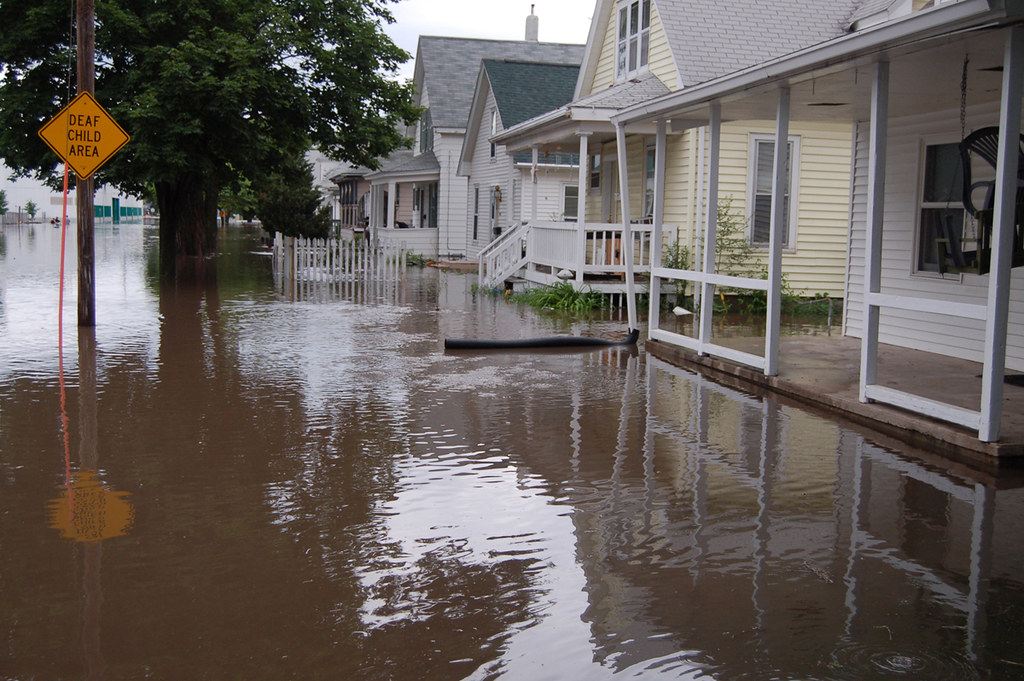
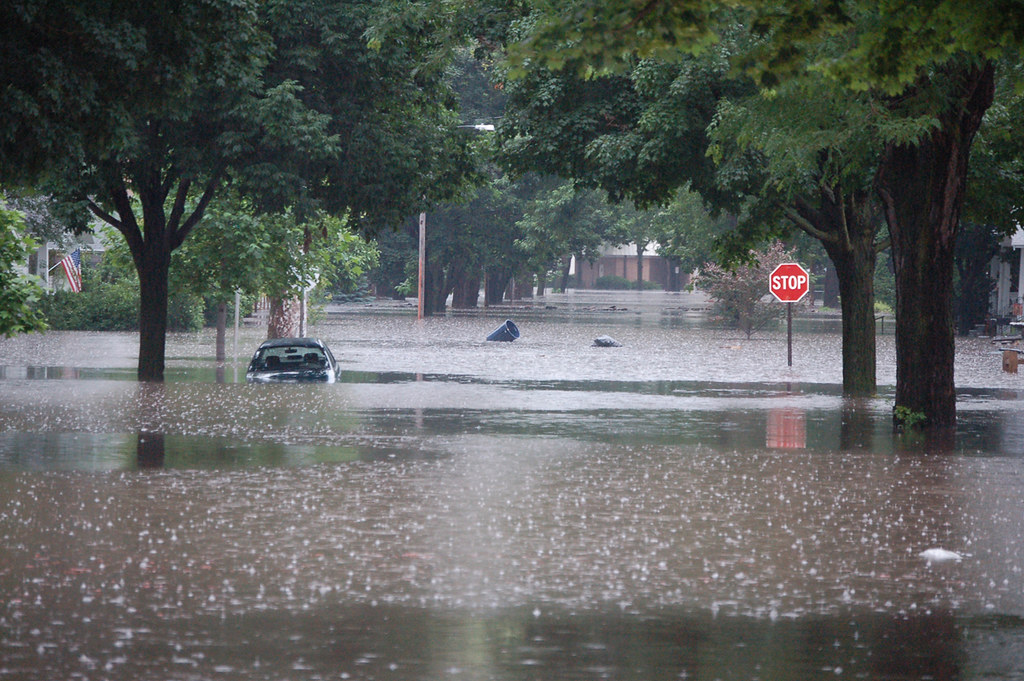
On the afternoon of October 11, 2026, a rapidly developing storm system triggered a Flash Flood Warning across Washington County. Within minutes of the warning being issued, low-lying areas in Ivins, Santa Clara, and Hurricane began experiencing significant water intrusion. Stormwater overwhelmed drainage systems, flowed into residential foundations, garages, and crawlspaces, and left behind mud, debris, and saturated building materials that — if not addressed quickly — would have led to widespread mold growth and structural damage.
DRT crews mobilized immediately and remained on call through the duration of the event and the weeks of recovery that followed.
What Homeowners Should Do After a Flash Flood Event
Whether you're recovering from the October 2026 event or a future storm, the steps below are what DRT advised every affected homeowner and business owner to take in the immediate aftermath:
- Prioritize your family's safety first. Do not re-enter your home until local authorities confirmed it was safe to do so. Floodwater can compromise structural integrity and carry electrical hazards.
- Document all damage thoroughly. Before touching or moving anything, photograph and video every affected area — walls, floors, ceilings, personal belongings, and exterior damage. This documentation proved critical during insurance claims.
- Avoid structurally compromised areas. Saturated drywall, swollen door frames, and buckled floors were warning signs that structural damage may have occurred. When in doubt, DRT crews performed a free safety assessment before homeowners re-entered.
- Contact your insurance company promptly. Notifying your insurer early helped preserve claim eligibility and sped up the approval process. DRT worked directly with adjusters on behalf of our clients.
- Call DRT to begin water extraction as quickly as possible. The first 24–48 hours after flooding are the most critical. Standing water that remained for more than 48 hours dramatically increased the likelihood of mold growth. Call 385-287-6344 — we offer 24/7 emergency response.
How DRT Supported the October 2026 Recovery Effort
DRT provided full-spectrum emergency restoration services throughout the affected communities. Here's what that looked like on the ground:
- Emergency water extraction — Industrial-grade pumps and vacuums removed standing water from basements, crawlspaces, garages, and living areas within hours of our arrival.
- Structural drying — High-capacity dehumidifiers and air movers were deployed to dry out walls, subfloors, and framing materials before mold could take hold.
- Board-up and tarping — Homes with exterior damage were secured against further weather exposure.
- Mold remediation — For properties where moisture had already begun fostering microbial growth, DRT performed full remediation in compliance with industry standards.
- Full rebuild coordination — Once the emergency phase was complete, DRT's reconstruction team managed repairs from drywall replacement to flooring, cabinetry, and painting — restoring homes to pre-loss condition.
- Direct insurance billing — DRT handled documentation, estimates, and direct communication with insurance carriers so homeowners could focus on their families.
Need help with ongoing flood damage from a past storm? We're still here. Call: 385-287-6344
Lessons Learned: What the October 2026 Flood Taught Washington County Homeowners
Having worked through this event alongside the Ivins, Hurricane, and Santa Clara communities, DRT came away with a clear set of takeaways that every homeowner in flash flood-prone areas of Southern Utah should know:
- Speed matters more than anything else. The homeowners who fared best were those who called for help within the first few hours. Every hour of delay allowed water to penetrate deeper into building materials and increased remediation costs significantly.
- Flash floods don't look like hurricanes — and that's what makes them dangerous. Many residents initially underestimated the October 2026 event because it developed so quickly and ended relatively fast. But water that enters a home in 30 minutes can cause months of problems if not addressed immediately.
- Documentation saved thousands of dollars in insurance claims. Homeowners who photographed damage before any cleanup began received fuller claim settlements. Those who cleaned up first — even with good intentions — sometimes found their claims disputed.
- Mold can begin developing within 24–48 hours. Southern Utah's climate — including the warm, humid conditions that often follow fall storms — accelerated mold growth in several properties where water extraction was delayed. Early intervention was the single most effective mold prevention measure.
- Your drainage and grading matter year-round. Several affected homes had pre-existing drainage issues that allowed stormwater to pool against foundations. DRT recommends annual exterior inspections before monsoon season to identify and correct these vulnerabilities.
- Know your restoration team before disaster strikes. Homeowners who already had DRT's number saved critical time. We encourage every Washington County resident to save our contact information now, before the next event.
DRT: Southern Utah's Local Flood Recovery Team
The Disaster Repair Team is locally owned and operated, serving Ivins, Santa Clara, Hurricane, St. George, Washington City, and the broader Washington County area. We've been through Southern Utah's storms — the monsoons, the flash floods, the wind events — and we understand the specific challenges that desert flash flooding presents to local homes and businesses.
When the October 2026 warning was issued, we didn't wait to be called. We positioned crews, staged equipment, and began fielding calls within minutes. That local knowledge and preparedness is what separates DRT from out-of-area disaster chasers who arrive after major events with no understanding of local conditions, building types, or community needs.
If your home or business experienced damage during the October 2026 flash flood event — or any subsequent storm — it's not too late to address lingering moisture, mold concerns, or structural issues. Call us for a free assessment.
Schedule a Free Post-Flood Assessment
Whether you're dealing with immediate damage or concerns about long-term moisture and mold from a past event, DRT is ready to help. We offer free inspections, work directly with all major insurance carriers, and have the local experience to get Washington County homes and businesses back to normal — fast.
📞 Call DRT 24/7: 385-287-6344
We're your neighbors. We've been through this with you. And we'll be ready for whatever comes next.
```Most homeowner policies cover sudden water damage (burst pipes, appliance failures). Natural flooding typically requires separate flood insurance. Either way, DRT documents everything from day one — moisture readings, photos, scope of work — so your claim is supported whether it goes through your standard policy or a flood policy.
Frequently Asked Questions
How quickly does mold grow after flooding?
Will my homeowner's insurance cover flood damage restoration?
What should I NOT do after my home floods?
How quickly can DRT respond?
Do I need to file my insurance claim before calling DRT?
DRT serves Ivins and surrounding areas. View our full Ivins service area page for more about our restoration services in your area, or browse all service areas.
Need Help Now?
The Disaster Repair Team provides 24/7 emergency restoration services across Utah.
Request Help Online