October 2026 Flash Flood Warning — Hurricane, Ivins, Santa Clara & more — Emergency Restoration
- Recovery resources and next steps
- Insurance claim guidance
- Lessons learned for future prevention
- Professional restoration support
Mold can start growing within 24–48 hours of water exposure. Fast extraction and drying dramatically reduce secondary damage and health risks.
Live Conditions
Real-time weather radar for Utah
- Do NOT stand in water near electrical outlets or appliances
- Shut off main water supply if the source is a pipe or appliance
- Turn off electricity to affected areas at the breaker — only if safe to reach
- Do NOT use household vacuums on standing water
- Move to higher ground if water is rising rapidly
How DRT Helped Utah Recover from the October 2026 Flash Flood — Hurricane, Ivins, Santa Clara & More
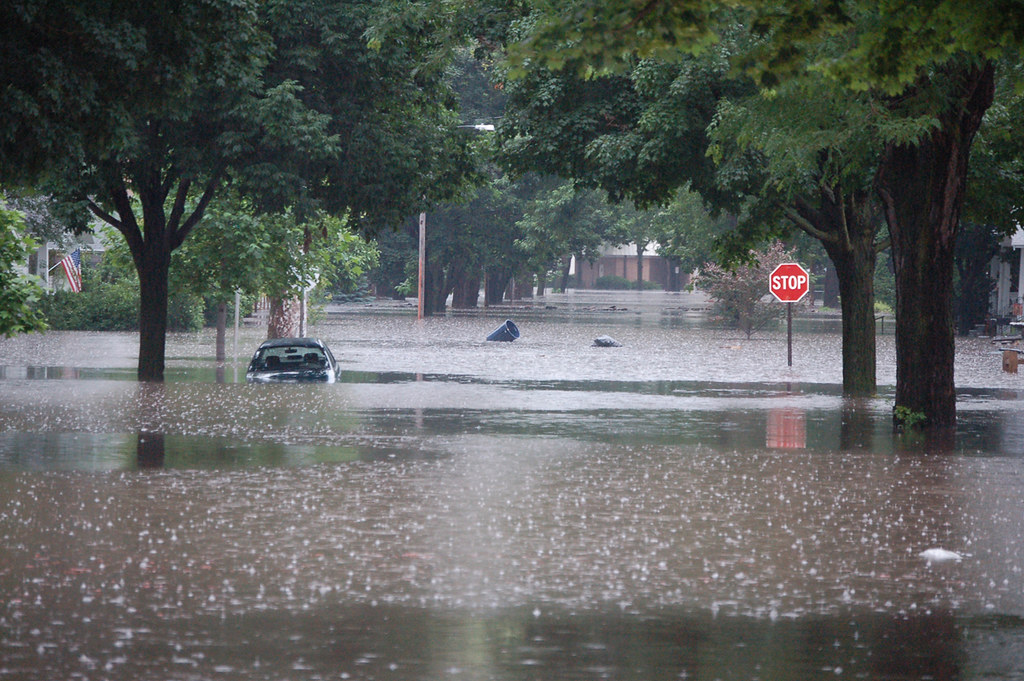
On October 11, 2026, the National Weather Service Salt Lake City issued a Flash Flood Warning at 2:59 PM MDT, affecting communities across Washington County including Hurricane, Ivins, Santa Clara, and surrounding areas. By 6:00 PM MDT, the storm had passed — but for many homeowners and businesses, the real work was just beginning.
The Disaster Repair Team (DRT) mobilized immediately and spent the days and weeks that followed helping affected residents restore their properties, navigate insurance claims, and get back to normal. This page serves as a permanent resource for anyone who experienced damage during this event — or who wants to be better prepared for the next one.
If you're still dealing with damage from this storm or a similar event, we're here to help. Call us anytime: 385-287-6344
What Homeowners and Businesses Were Advised to Do After the Flooding
In the immediate aftermath of the October 2026 flash flood, DRT guided affected residents through the following critical steps. These steps remain the right approach after any flooding event:
- Prioritize your family's safety. Residents were urged not to re-enter their homes until floodwaters had fully receded and the structure was confirmed safe.
- Document all damage with photos and video before any cleanup began — this documentation proved essential for insurance claims.
- Avoid structurally compromised areas. Flash flooding can undermine foundations, weaken walls, and create hidden hazards. When in doubt, stay out.
- Contact your insurance company promptly to open a claim and understand your coverage before restoration work began.
- Call DRT for professional water damage restoration — the sooner mitigation started, the less secondary damage (including mold) homeowners faced.
Dealing with flood damage now? The same advice applies. Call DRT 24/7: 385-287-6344
How DRT Responded to the October 2026 Flash Flood
DRT provided round-the-clock emergency restoration services throughout the affected Washington County communities. Our crews handled:
- Emergency water extraction — removing standing water quickly to minimize structural damage and reduce mold risk
- Structural drying — using industrial dehumidifiers and air movers to thoroughly dry walls, floors, and cavities
- Board-up and site security — protecting damaged properties from further exposure and unauthorized entry
- Mold remediation — addressing mold growth that developed in the weeks following the storm
- Full rebuild coordination — managing repairs from initial mitigation through final reconstruction
- Direct insurance billing — working alongside adjusters to streamline the claims process for our clients
DRT worked directly with homeowners' insurance companies throughout this event, reducing stress and out-of-pocket uncertainty for the families we served.
Lessons Learned from the October 2026 Flash Flood
Having responded to this event firsthand, our team came away with insights that can help Utah residents be better prepared for future storms. Here's what the October 2026 flood taught us — and the homeowners we worked with:
1. Speed of Response Determines the Extent of Damage
Properties where water extraction began within the first 24–48 hours consistently experienced less secondary damage than those where mitigation was delayed. Mold can begin developing within 24–72 hours of water intrusion. The homeowners who called us immediately — even before they fully understood the extent of their damage — were far better off in the long run.
2. Documentation Saved Claims
Homeowners who photographed and video-recorded damage before any cleanup had significantly smoother insurance experiences. Those who started cleaning up first and documented later sometimes struggled to substantiate the full extent of their losses. Always document before you touch anything.
3. Flash Floods Can Affect Homes That "Never Flood"
Several of the homeowners DRT assisted in Hurricane, Ivins, and Santa Clara had never experienced water intrusion before. The speed and volume of the October 2026 event overwhelmed drainage systems in areas that had historically been low-risk. Washington County's flash flood risk is real and can affect nearly any property during an intense storm.
4. Insurance Gaps Were a Surprise for Many
A number of residents discovered that standard homeowners insurance policies do not cover flood damage. If you are in a flash-flood-prone area of Southern Utah, review your policy now and consider whether a separate flood insurance policy through the NFIP or a private carrier makes sense for your situation.
5. Having a Restoration Team's Number Saved Time
Homeowners who already knew who to call were able to get crews on-site faster. In a widespread event like this, restoration companies prioritize existing relationships and early callers. Save DRT's number now — before you need it.
Why Washington County Residents Trusted DRT
DRT is a locally rooted restoration team serving Hurricane, Ivins, Santa Clara, St. George, and surrounding Southern Utah communities. We've responded to flash floods, water main breaks, sewage backups, fire damage, and more across Washington County. We understand the terrain, the weather patterns, and the specific challenges Utah desert flash flooding creates — including the way hard, dry soil can cause rapid, unexpected runoff even during moderate rain events.
When the October 2026 warning was issued, we were already preparing to respond. When it was over, we were already on-site. That's the DRT difference.
Still Dealing with Damage? We're Ready to Help.
Whether you're still addressing issues from the October 2026 event, or you've experienced new damage from a more recent storm, DRT is available 24 hours a day, 7 days a week. We provide free assessments, work directly with your insurance company, and have the local experience to get your property restored the right way.
Call us anytime — day or night: 385-287-6344
Don't wait. Every hour matters when it comes to water damage.
```Affected Areas
Select a city for location-specific emergency information and restoration resources.
What to Expect When You Call
Here's how DRT responds to emergency calls:
Need Help Now?
The Disaster Repair Team provides 24/7 emergency restoration services across Utah.
Request Help Online