Emergency Flood & Water Damage Restoration — St. George
- Recovery resources and next steps
- Insurance claim guidance
- Lessons learned for future prevention
- Professional restoration support
Mold can start growing within 24–48 hours of water exposure. Fast extraction and drying dramatically reduce secondary damage and health risks.
Live Conditions
Real-time weather radar for Utah
How DRT Helped St. George Recover from the October 2026 Flash Flood Warning
A Recovery Case Study: Hurricane, Ivins, Santa Clara & Surrounding Communities
On October 11, 2026, the National Weather Service Salt Lake City issued a Flash Flood Warning for the St. George area — effective from 2:59 PM MDT through 6:00 PM MDT. Neighborhoods across St. George, Hurricane, Ivins, Santa Clara, and surrounding Washington County communities experienced rapid flooding, property damage, and displacement.
The Disaster Repair Team (DRT) responded immediately, mobilizing crews across the affected area to help homeowners and businesses begin the recovery process. This page documents what happened, what we learned, and what to do if your property was — or ever is — affected by flash flooding in Southern Utah.
Dealing with flood damage now or in the future? We're available 24/7.
Call DRT: 385-287-6344
What Happened: The October 2026 Flash Flood Event
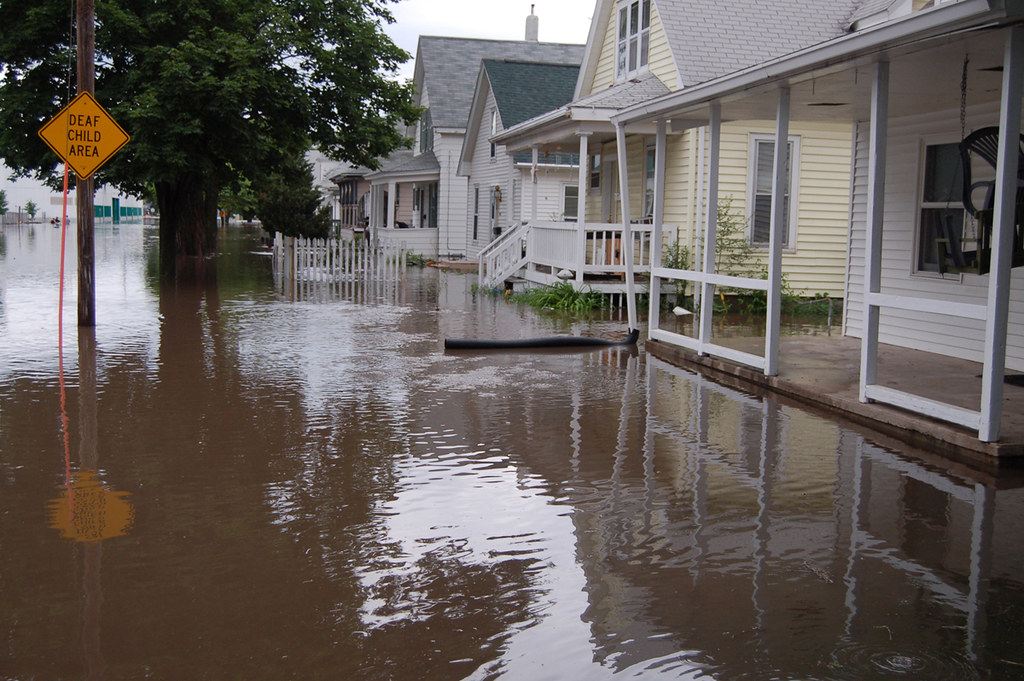
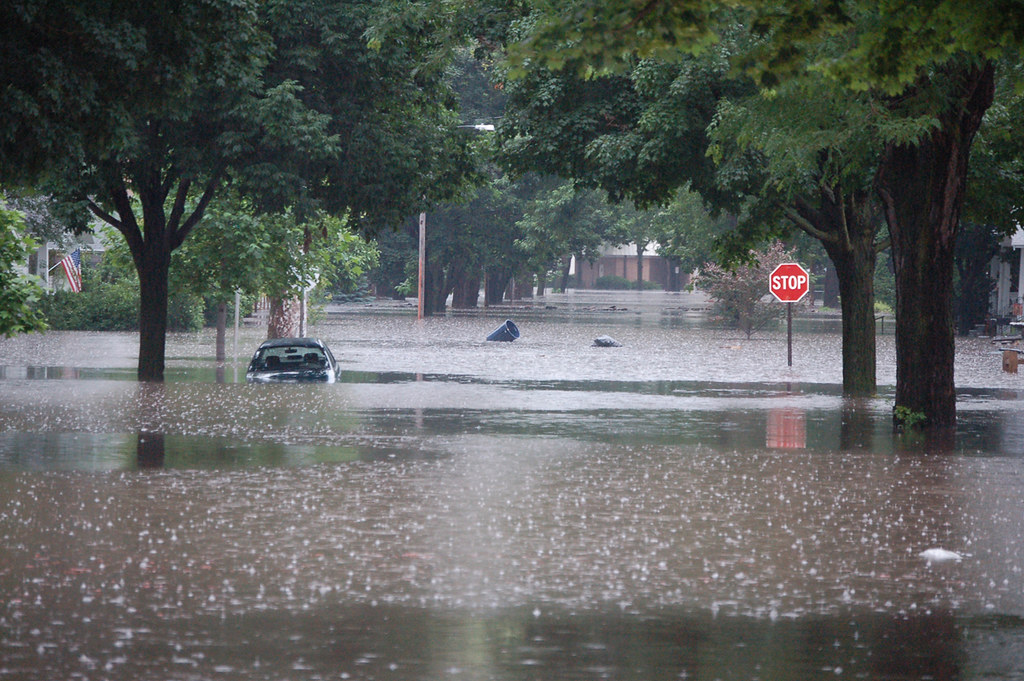
Flash flooding in Washington County can escalate within minutes. The October 2026 event was no exception. As the warning was issued, stormwater overwhelmed drainage systems, water entered homes and commercial properties, and roads became impassable across multiple communities. DRT crews were already en route before the warning expired — because in flash flood events, the clock starts the moment water enters a structure.
What to Do After a Flash Flood — The Checklist That Helped Our Clients
These are the steps we walked hundreds of St. George-area residents through after the October 2026 event. Bookmark this list. Share it with your neighbors. The faster these steps are taken, the better the outcome for your property.
- Prioritize your family's safety first. Do not re-enter your home until authorities have confirmed it is safe to do so.
- Document all damage with photos and video before anything is moved or cleaned up. This documentation is critical for your insurance claim.
- Do not enter structurally compromised areas. Floodwater can weaken floors, walls, and foundations in ways that aren't immediately visible.
- Contact your insurance company as soon as possible to open a claim and understand your coverage.
- Call DRT for professional restoration. The sooner water is extracted and drying begins, the lower your risk of mold, structural damage, and long-term repair costs.
Call DRT anytime — day or night: 385-287-6344
How DRT Helped — Services Deployed During the October 2026 Response
When floodwaters recede, the real work begins. During and after the October 2026 event, DRT provided the full scope of emergency and restoration services to affected properties across the region:
- Emergency Water Extraction — Industrial-grade pumps and vacuums deployed within hours of the warning lifting
- Structural Drying — Commercial dehumidifiers and air movers placed throughout affected homes and businesses to prevent secondary damage
- Mold Remediation — Mold can begin developing within 24–48 hours of a flood event; DRT monitored and treated at-risk properties
- Board-Up & Tarping — Securing compromised structures to prevent additional damage
- Smoke & Soot Removal — For properties that experienced fire-related secondary damage
- Full Rebuild Coordination — From drywall and flooring to full structural repairs, DRT managed the process start to finish
- Direct Insurance Coordination — DRT worked directly with adjusters to document damage, streamline approvals, and reduce the burden on homeowners
Lessons Learned: What the October 2026 Flood Taught Us — and Our Clients
Every disaster response teaches us something. Here is what stood out from the October 2026 event:
1. Speed is the single biggest factor in recovery outcomes.
Clients who called within the first few hours of flooding saw dramatically less mold growth, less structural damage, and lower overall repair costs than those who waited. Even a 12-hour delay can allow moisture to migrate deep into walls, subfloor, and insulation.
2. St. George's desert soil doesn't absorb flash flood water — it redirects it.
Many homeowners were caught off guard by how quickly water entered their homes. Hardpan desert soil has very low absorption rates, meaning stormwater moves fast and finds the lowest point — often your garage, crawlspace, or ground-floor living areas. Knowing this in advance helps you act faster.
3. Documentation before cleanup saved insurance claims.
Clients who photographed and video-recorded damage before any cleanup began had smoother, faster insurance claim resolutions. Those who started cleaning up first — understandably — sometimes struggled to prove the full extent of what occurred.
4. Mold doesn't wait for a convenient time.
Several clients who thought their damage was "minor" and delayed professional drying discovered mold growth within days. Southern Utah's heat accelerates mold development. What looks like a small water intrusion can hide significant moisture in wall cavities and framing.
5. Local experience matters.
DRT crews know Washington County — the soil conditions, the common construction types, the drainage patterns, and the insurance landscape. That local knowledge meant faster, more accurate damage assessments and restoration plans tailored to this specific region.
About DRT — Your Local Restoration Team
Disaster Repair Team is a locally operated restoration company serving St. George, Hurricane, Ivins, Santa Clara, Washington, and the surrounding communities of Southern Utah. We've responded to flash floods, fires, and storm damage events across Washington County — and we understand what it takes to get families and businesses back to normal as quickly as possible.
We're not a national call center. When you call DRT, you reach a local team that knows your community, knows your climate, and knows how to navigate the insurance process on your behalf.
- ✔ 24/7 Emergency Response
- ✔ Local Washington County Crews
- ✔ Direct Insurance Coordination
- ✔ Full-Service: Extraction → Drying → Remediation → Rebuild
- ✔ Experienced with Flash Flood Recovery in Southern Utah
Was Your Property Affected? Don't Wait.
Whether you experienced flooding during the October 2026 event and are still dealing with the aftermath, or you're facing a new water damage situation today — DRT is ready to respond.
The sooner you call, the better your outcome. Flood damage compounds every hour water remains in your structure.
Call DRT now — 24 hours a day, 7 days a week:
385-287-6344
We'll assess your damage, coordinate with your insurance company, and get your home or business on the path to full recovery — just as we did for your neighbors after October 2026.
```Most homeowner policies cover sudden water damage (burst pipes, appliance failures). Natural flooding typically requires separate flood insurance. Either way, DRT documents everything from day one — moisture readings, photos, scope of work — so your claim is supported whether it goes through your standard policy or a flood policy.
Frequently Asked Questions
How quickly does mold grow after flooding?
Will my homeowner's insurance cover flood damage restoration?
What should I NOT do after my home floods?
How quickly can DRT respond?
Do I need to file my insurance claim before calling DRT?
DRT serves St. George and surrounding areas. View our full St. George service area page for more about our restoration services in your area, or browse all service areas.
Need Help Now?
The Disaster Repair Team provides 24/7 emergency restoration services across Utah.
Request Help Online