Emergency Flood & Water Damage Restoration — Santa Clara
- Recovery resources and next steps
- Insurance claim guidance
- Lessons learned for future prevention
- Professional restoration support
Mold can start growing within 24–48 hours of water exposure. Fast extraction and drying dramatically reduce secondary damage and health risks.
Live Conditions
Real-time weather radar for Utah
How DRT Helped Santa Clara Recover from the October 2026 Flash Flood — A Community Recovery Guide
Covering: Hurricane, Ivins, Santa Clara & Surrounding Washington County Communities
On October 11, 2026, the National Weather Service Salt Lake City issued a Flash Flood Warning for the Santa Clara area at 2:59 PM MDT, with impacts continuing through 6:00 PM MDT. In the hours and days that followed, the Disaster Repair Team (DRT) mobilized across Hurricane, Ivins, Santa Clara, and neighboring communities — helping homeowners and businesses assess damage, extract standing water, and begin the road to full recovery.
This page serves as a permanent resource for anyone affected by that event, and for future residents who may face similar flooding in Washington County's flash flood-prone terrain. If you are dealing with flood damage right now, don't wait — our team is available around the clock.
Call DRT 24/7: 385-287-6344
What the October 2026 Flash Flood Warning Meant for Santa Clara Residents
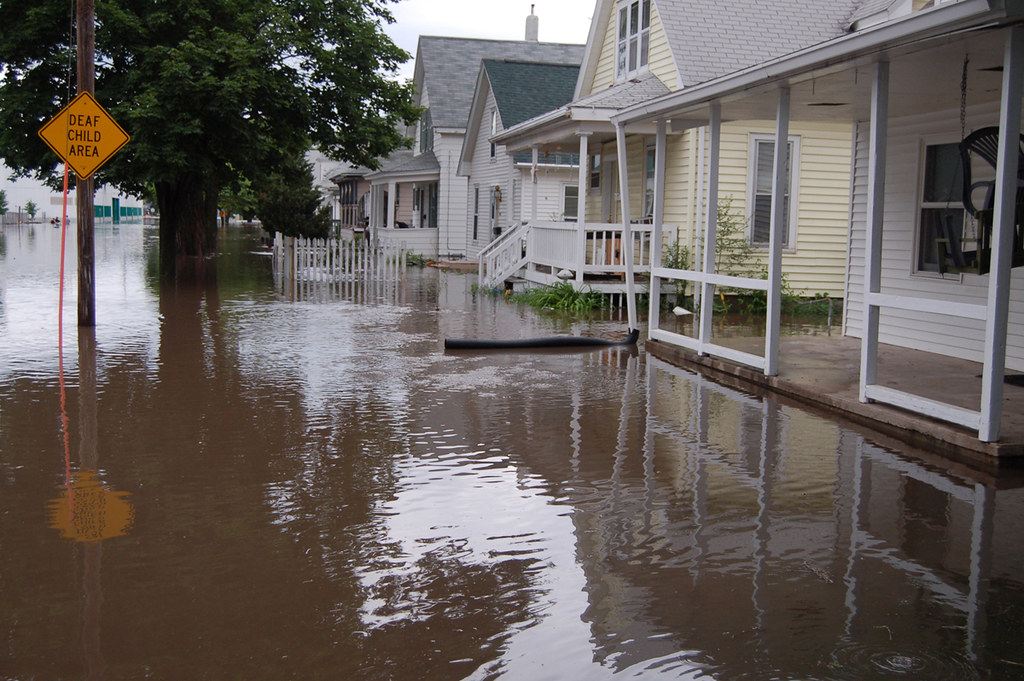
Flash flood warnings in the St. George corridor are not uncommon, but the October 11 event moved quickly and left little time to prepare. Water entered homes and businesses through low-lying entry points, saturated crawl spaces and slabs, and in some cases compromised drywall, flooring, and structural elements within hours. The speed of onset — and the volume of water — is what made this event particularly challenging for local property owners.
DRT teams were on the ground responding to calls across Santa Clara, Hurricane, and Ivins before the warning had even expired.
What to Do After a Flash Flood — Lessons from October 2026
Whether you are reading this in the immediate aftermath of a flood or preparing for future events, this checklist reflects the steps DRT guided hundreds of local residents through during and after the October 2026 event:
- Prioritize your family's safety above all else. Do not re-enter your home until floodwaters have fully receded and you have confirmed there are no structural hazards, downed power lines, or gas leaks.
- Document all damage thoroughly before cleanup begins. Take photos and video of every affected room, all damaged belongings, and any visible structural issues. This documentation proved critical for insurance claims after the October flood.
- Do not enter structurally compromised areas. Saturated drywall, buckled flooring, and undermined foundations can fail without warning.
- Contact your insurance company as soon as it is safe to do so. Report the loss, ask about your coverage, and request a claim number. DRT works directly with all major carriers and can assist you in this process.
- Call a certified restoration contractor before attempting DIY cleanup. Water that sits for more than 24–48 hours significantly increases the risk of mold growth. Professional extraction and drying equipment makes a measurable difference in outcomes.
Need help now? Call DRT: 385-287-6344
How DRT Responded — Services Deployed After the October 2026 Flood
In the aftermath of the October 11 event, DRT provided the full range of emergency restoration and recovery services to affected properties across Washington County, including:
- Emergency water extraction — Rapid removal of standing water using industrial-grade equipment
- Structural drying — Deployment of commercial dehumidifiers and air movers to dry walls, subfloors, and framing before mold could take hold
- Board-up and temporary weatherproofing — Securing damaged structures against further exposure
- Mold remediation — Inspection, testing, and certified remediation for properties where moisture was not addressed quickly
- Smoke and soot removal — For any fire-related secondary damage
- Full rebuild coordination — From gutted drywall to finished floors, DRT managed end-to-end reconstruction for dozens of local homes
- Direct insurance billing — DRT worked alongside adjusters and carriers to streamline the claims process for property owners
Lessons Learned — What the October 2026 Event Taught Our Community
Having worked through flash flood responses across Washington County for years, DRT came away from the October 2026 event with several observations that every local homeowner and business owner should keep in mind:
1. Speed is everything when it comes to water damage
Properties where water was extracted and drying equipment was in place within the first 24 hours consistently had significantly better outcomes — both structurally and financially — than those where owners waited several days. The window between "water damage" and "mold damage" is short in Southern Utah's climate.
2. Flash floods in this region move fast and hit hard
The Santa Clara River corridor, the washes feeding into Hurricane and Ivins, and the red-rock terrain throughout Washington County create conditions where water volumes can surge in minutes. Residents who had taken even basic precautions — cleared drainage channels, elevated HVAC equipment, sealed entry points — fared meaningfully better than those who had not.
3. Insurance documentation starts before the adjuster arrives
Many homeowners who were well-documented with photos and video received faster claim resolutions. Those who cleaned up before documenting sometimes struggled to substantiate the full scope of their losses. Always document first.
4. Not all "restoration" companies are the same
After a major weather event, out-of-area contractors flooded the region alongside the water. Several local residents who worked with unfamiliar companies reported incomplete drying, improper mold remediation, or disputes over scope and billing. DRT is locally rooted in Washington County — we were here before October 2026 and we will be here long after.
5. Community recovery is faster when neighbors look out for each other
Some of the fastest-recovering streets in Santa Clara and Hurricane were those where neighbors helped each other document damage, watched each other's properties during displacement, and shared contractor information. If you know someone still dealing with aftermath from this event — or any future flood — share this resource with them.
About DRT — Washington County's Local Restoration Team
The Disaster Repair Team is a locally owned and operated restoration contractor serving Santa Clara, Hurricane, Ivins, St. George, Washington City, and the broader Washington County area. We have responded to flash floods, pipe bursts, fire damage, and storm events across Southern Utah — and the October 2026 event was not our first, nor our last. Our crews are certified, our equipment is commercial-grade, and our relationships with local insurance adjusters are long-established.
When disaster hits your home or business, you want a team that knows your streets, knows your climate, and has seen what Southern Utah floods can do. That's DRT.
Still Dealing with Flood Damage? DRT Is Ready.
Whether you are still recovering from the October 2026 event or facing a new water emergency, DRT provides 24/7 emergency restoration services with no after-hours fees for initial response. We work directly with your insurance company and will walk you through every step of the process.
📞 Call or text DRT anytime: 385-287-6344
We answer every call. We show up. We get the job done — because we know this community is counting on us.
```Most homeowner policies cover sudden water damage (burst pipes, appliance failures). Natural flooding typically requires separate flood insurance. Either way, DRT documents everything from day one — moisture readings, photos, scope of work — so your claim is supported whether it goes through your standard policy or a flood policy.
Frequently Asked Questions
How quickly does mold grow after flooding?
Will my homeowner's insurance cover flood damage restoration?
What should I NOT do after my home floods?
How quickly can DRT respond?
Do I need to file my insurance claim before calling DRT?
DRT serves Santa Clara and surrounding areas. View our full Santa Clara service area page for more about our restoration services in your area, or browse all service areas.
Need Help Now?
The Disaster Repair Team provides 24/7 emergency restoration services across Utah.
Request Help Online