Emergency Flood & Water Damage Restoration — Ivins
- Recovery resources and next steps
- Insurance claim guidance
- Lessons learned for future prevention
- Professional restoration support
Follow local emergency guidance. Stay out of unsafe areas and call emergency services if there is immediate danger.
Live Conditions
Real-time weather radar for Utah
How DRT Helped Ivins Recover from the October 2026 Flash Flood — A Community Recovery Resource
Serving Ivins, Santa Clara, Hurricane, and surrounding Washington County communities
About This Event
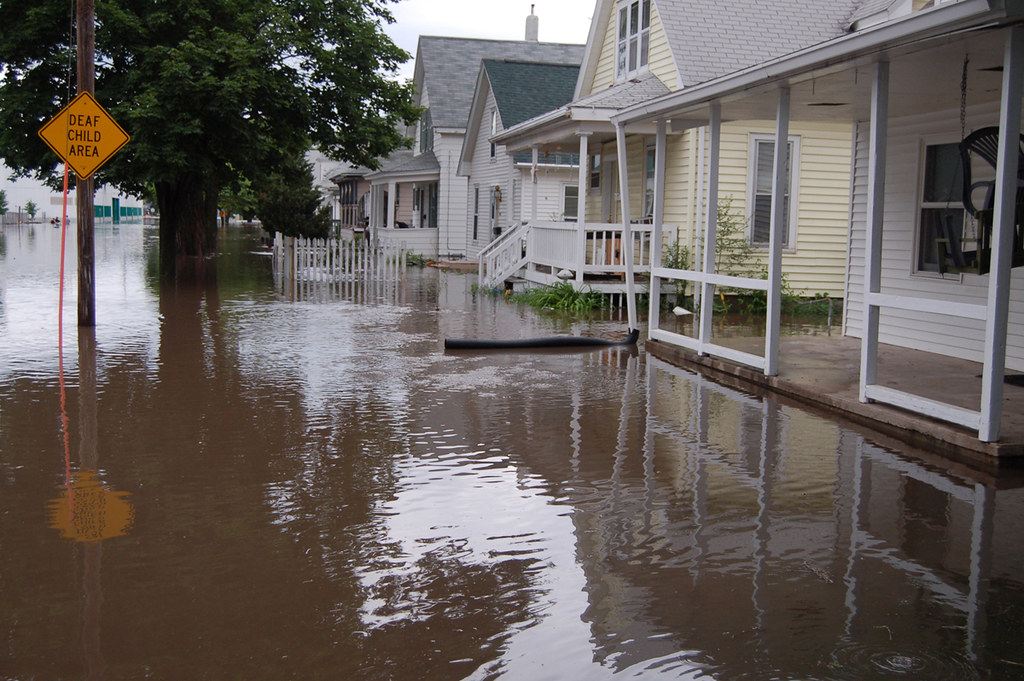
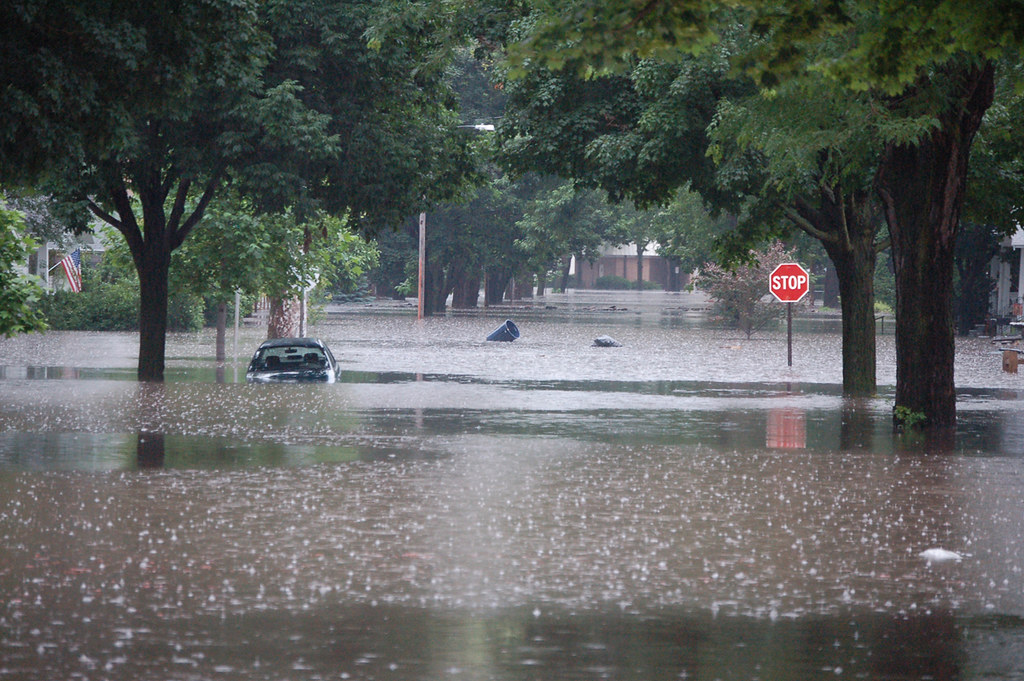
On October 21, 2026, the National Weather Service Salt Lake City issued a Flash Flood Warning for the Ivins and Santa Clara area, effective from 4:55 PM MDT through 7:45 PM MDT. The event impacted homes and businesses across the St. George metropolitan area, including Hurricane and surrounding Washington County communities. The Disaster Repair Team (DRT) responded immediately and worked alongside affected residents through every stage of recovery.
This page serves as a lasting resource for anyone who experienced damage during this event — or who wants to be better prepared for the next one.
Still dealing with damage from this storm? We're still here. Call anytime: 385-287-6344
What Homeowners and Businesses Did After the Flooding — And What You Should Do Too
In the hours and days following the October 2026 flash flood, the most successful recoveries followed a clear set of steps. Whether you're dealing with lingering issues from this event or preparing for a future one, here's what worked:
- Prioritized family safety first. Before assessing damage, residents confirmed that all family members and pets were safe and accounted for. No property is worth risking your life.
- Documented all damage thoroughly. Taking photos and video immediately — before any cleanup — proved critical for insurance claims. Homeowners who skipped this step often faced disputes with their adjusters.
- Avoided structurally compromised areas. Flood-damaged floors, walls, and ceilings can fail without warning. Residents were advised to stay out of any area showing visible structural stress until a professional assessed it.
- Contacted their insurance company promptly. Opening a claim quickly helped residents get adjusters on-site faster and ensured coverage wasn't delayed by late reporting.
- Called DRT for emergency water extraction and drying. The faster water is removed and structural drying begins, the lower the risk of secondary damage like mold, warped framing, and compromised insulation. Many of the worst outcomes we saw came from waiting too long. Call us: 385-287-6344
How DRT Responded to the October 2026 Flood
When the warning was issued, DRT's 24/7 response team was already monitoring conditions and staging equipment. In the hours and days that followed, we provided:
- Emergency water extraction — removing standing water from affected homes and businesses as quickly as possible
- Structural drying — deploying industrial dehumidifiers and air movers to dry wall cavities, subfloors, and framing
- Board-up and tarping — protecting properties with compromised exteriors from further weather exposure
- Mold assessment and remediation — identifying and addressing microbial growth that developed in the weeks following the flood
- Full rebuild coordination — managing repairs from drywall and flooring to full structural restoration
- Direct insurance coordination — working with adjusters on behalf of homeowners to document scope and streamline claims
We've been through floods like this before in Washington County, and we know what local homes face — adobe soil, desert flash flood dynamics, and structures that weren't always built with water intrusion in mind. That local experience made a difference.
Lessons Learned from the October 2026 Flash Flood
Every disaster teaches us something. Here's what DRT and the community took away from this event:
1. Flash floods move faster than people expect
The window between warning issuance and water arrival was narrow. Residents who had already moved valuables to higher ground and knew their evacuation routes fared significantly better. Have a plan before the next storm season.
2. Waiting 24–48 hours dramatically increases mold risk
In Southern Utah's warm climate, mold can begin developing within 24–48 hours of water intrusion. Several homes that weren't treated promptly required significantly more remediation work weeks later. Early intervention is almost always less expensive.
3. Photos taken before cleanup saved thousands in claims
Homeowners who documented damage thoroughly before touching anything had smoother, faster insurance experiences. Those who cleaned up first sometimes struggled to prove the full extent of their losses.
4. Not all damage is visible
Water wicked into wall cavities, under flooring, and into insulation in ways that weren't obvious from the surface. Professional moisture mapping revealed hidden saturation that would have caused major structural problems if left untreated.
5. Local contractors who know Washington County make a difference
Out-of-area contractors who responded to the event weren't always familiar with local building materials, soil conditions, or how Southern Utah homes are constructed. Working with a team that knows the region reduced miscommunication and sped up the rebuild process.
6. Insurance coordination is a skill — use it
Homeowners who let DRT communicate directly with their adjusters generally had faster claim resolutions. We know what documentation adjusters need and how to present scope of damage clearly and accurately.
Still Dealing with Damage from This Storm?
Flood damage doesn't always make itself known right away. If you've noticed musty odors, warped flooring, peeling paint, or discoloration in walls or ceilings since October 2026, you may be experiencing secondary damage from this event. It's not too late to have your property assessed.
Call DRT now for a professional assessment: 385-287-6344
We offer 24/7 emergency response and work directly with your insurance company throughout the entire process — from first call to final walkthrough.
Prepare for the Next Event
Flash floods are a recurring reality in Washington County. The best time to find a trusted restoration contractor is before you need one. Save our number now.
Disaster Repair Team — Serving Ivins, Santa Clara, Hurricane, St. George, and Washington County
385-287-6344 — Available 24/7
Coverage and claim requirements depend on your policy and the cause of damage. Contact your insurer to confirm coverage before authorizing work. Keep photos and receipts when safe to do so.
Frequently Asked Questions
What should I do first?
Does insurance cover restoration?
How soon can restoration begin?
DRT serves Ivins and surrounding areas. View our full Ivins service area page for more about our restoration services in your area, or browse all service areas.
Need Help Now?
The Disaster Repair Team provides 24/7 emergency restoration services across Utah.
Request Help Online