October 2026 Flash Flood Warning — Hurricane, Ivins, Santa Clara & more — Emergency Restoration
- Recovery resources and next steps
- Insurance claim guidance
- Lessons learned for future prevention
- Professional restoration support
Follow local emergency guidance. Stay out of unsafe areas and call emergency services if there is immediate danger.
Live Conditions
Real-time weather radar for Utah
- Do NOT stand in water near electrical outlets or appliances
- Shut off main water supply if the source is a pipe or appliance
- Turn off electricity to affected areas at the breaker — only if safe to reach
- Do NOT use household vacuums on standing water
- Move to higher ground if water is rising rapidly
How DRT Helped Utah Recover from the October 2026 Flash Flood — Hurricane, Ivins, Santa Clara & Surrounding Areas
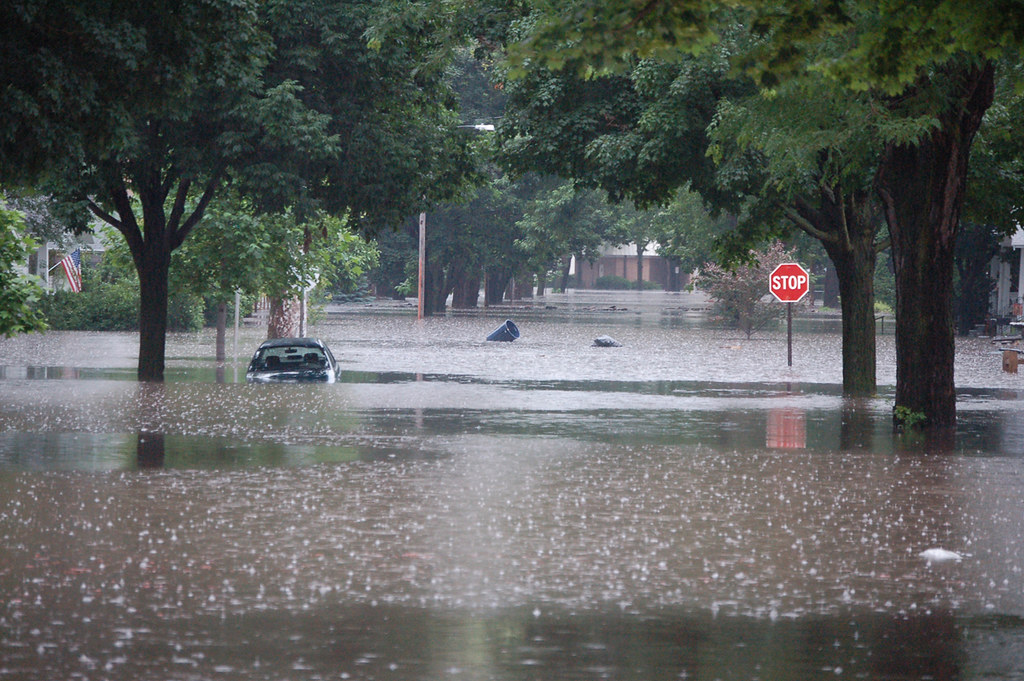
On October 21, 2026, the National Weather Service Salt Lake City issued a Flash Flood Warning at 4:55 PM MDT, affecting communities across Washington County — including Hurricane, Ivins, Santa Clara, and neighboring areas — through 7:45 PM MDT that evening. Within hours, homes and businesses throughout the region were dealing with floodwater intrusion, structural damage, and the overwhelming task of figuring out what to do next.
The Disaster Repair Team (DRT) was on the ground responding. This page serves as a case study and practical recovery resource — both for those still navigating the aftermath of the October 2026 event and for any Utah homeowner or business owner facing flood damage in the future.
If you are dealing with flood damage right now, we are still here: 385-287-6344
What Residents Needed to Do After the Flood — A Step-by-Step Guide
In the hours and days following the October 2026 flooding, the most important actions property owners could take were:
- Prioritize your family's safety first. Floodwater recedes, but structural hazards, electrical dangers, and contaminated water pose serious risks. Do not re-enter your home until it has been confirmed safe.
- Document all damage thoroughly. Before any cleanup begins, photograph and video every affected area — walls, floors, furniture, appliances, and the exterior. This documentation is critical for your insurance claim.
- Avoid structurally compromised areas. Saturated drywall, swollen framing, and undermined foundations are not always visible to the eye. When in doubt, stay out.
- Contact your insurance company as soon as possible. Report the loss promptly and request a claim number. Keep records of every conversation, including dates and representative names.
- Call a certified restoration team immediately. Water damage worsens rapidly. Mold can begin developing within 24–48 hours. Fast extraction and drying is the difference between a contained repair and a full gut-and-rebuild. Call DRT: 385-287-6344
How DRT Responded to the October 2026 Flash Flood
When the warning was issued, DRT teams were already staged and ready. As reports of flooded properties came in from Hurricane, Ivins, Santa Clara, and surrounding communities, our crews mobilized with water extraction equipment, industrial drying systems, and structural assessment tools.
The services DRT provided during and after this event included:
- Emergency water extraction — removing standing water as quickly as possible to limit absorption into flooring, walls, and substructures
- Structural drying — deploying commercial-grade dehumidifiers and air movers to dry affected areas thoroughly and prevent secondary moisture damage
- Board-up and property securing — protecting damaged structures from weather exposure and unauthorized entry
- Mold remediation — identifying and treating mold growth in properties where water had been present for extended periods
- Smoke and soot removal — for any properties affected by secondary fire hazards during the event
- Full rebuild coordination — managing the repair and reconstruction process from start to finish, working directly with homeowners and their insurance carriers
DRT worked directly with insurance adjusters on behalf of our clients throughout the October 2026 recovery — reducing the burden on homeowners during an already stressful time.
Lessons Learned from the October 2026 Flash Flood
Every major weather event teaches us something. Here is what the October 2026 flooding reinforced for our team and for the communities we served:
- Speed matters more than most homeowners realize. Properties where extraction began within the first few hours sustained significantly less secondary damage than those where water sat for even a day. Calling early — before you have fully assessed the damage — is always the right move.
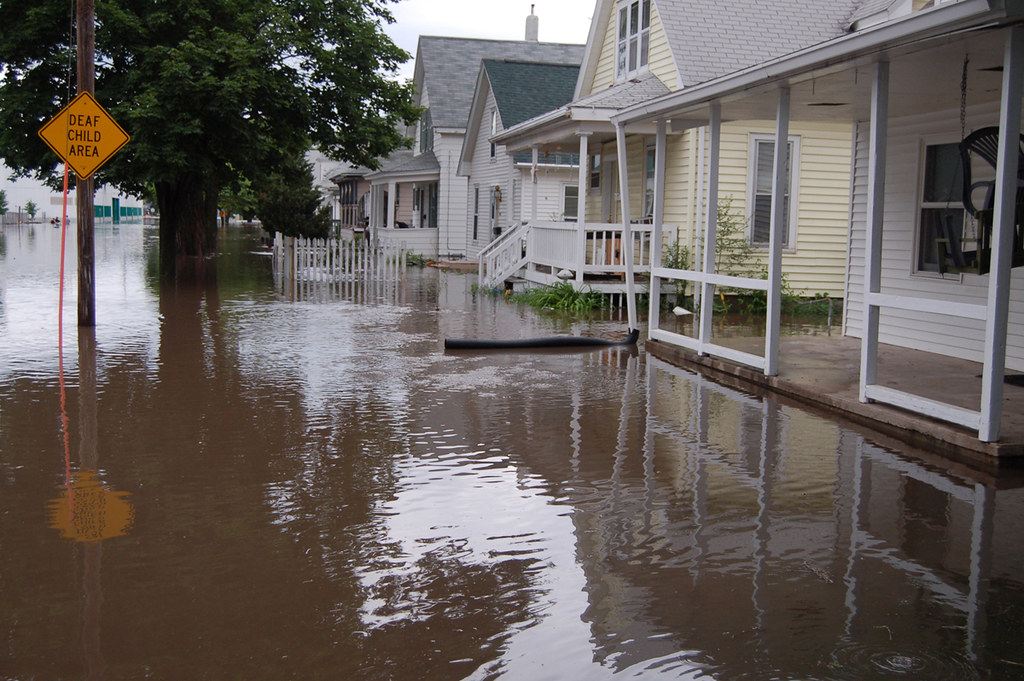
- Flash floods do not need much water to cause major damage. Several affected homes in Ivins and Santa Clara had only a few inches of intrusion, yet required full flooring replacement and partial wall remediation due to absorption and contamination.
- Documentation done wrong costs homeowners money. Claims that were delayed or underpaid were often tied to incomplete photo documentation taken after some initial cleanup had already occurred. Document first, clean second.
- Washington County's soil and drainage patterns create recurring risk. The red clay soil common to the Hurricane and St. George area does not absorb water quickly. During heavy rain events, runoff accumulates fast. Homeowners in low-lying areas, near washes, or with flat lot grading should have a plan in place before the next warning is issued.
- Insurance policies vary significantly. Several homeowners discovered during the claims process that their standard homeowner's policy did not cover flood damage. If you are in a flood-prone area of Washington County, review your policy now — not after the next event.
- Having a trusted restoration contact before disaster strikes reduces chaos. Homeowners who already knew who to call spent less time searching and more time acting. Save our number now: 385-287-6344
DRT: Utah's Local Flood Recovery Team
The Disaster Repair Team is not a national call center. We are a local restoration company that has worked in Washington County and across Utah through multiple flood events, storm seasons, and emergency situations. When the October 2026 flash flood warning went out, we already knew the terrain, the communities, and the challenges specific to this region.
We provide 24/7 emergency restoration services and work directly with your insurance company to manage the process from initial extraction through final rebuild. Whether you are still recovering from a past event or preparing for the next one, DRT is the experienced local team you want in your corner.
Ready to talk? Call us any time: 385-287-6344
Or reach out online to schedule an assessment, ask questions about a previous loss, or get a second opinion on restoration work already underway.
Affected Areas
Select a city for location-specific emergency information and restoration resources.
Planning Next Steps
Call to discuss the situation and current availability. An assessment can help determine the appropriate scope, timing, and documentation. Response and restoration times depend on conditions and are not guaranteed.
Need Help Now?
The Disaster Repair Team provides 24/7 emergency restoration services across Utah.
Request Help Online