Emergency Flood & Water Damage Restoration — Santa Clara
- Recovery resources and next steps
- Insurance claim guidance
- Lessons learned for future prevention
- Professional restoration support
Follow local emergency guidance. Stay out of unsafe areas and call emergency services if there is immediate danger.
Live Conditions
Real-time weather radar for Utah
How DRT Helped Santa Clara Recover from the October 2026 Flash Flood Warning
A Recovery Case Study — Hurricane, Ivins, Santa Clara & Surrounding Communities
On October 21, 2026, the National Weather Service Salt Lake City issued a Flash Flood Warning for Santa Clara and surrounding Washington County communities — including Hurricane and Ivins — effective from 4:55 PM MDT until 7:45 PM MDT. In the hours and days that followed, the Disaster Repair Team (DRT) responded to homes and businesses across the affected area, helping families stabilize their properties, navigate insurance claims, and begin the road to full recovery.
This page documents what happened, what we learned, and what every homeowner in Southern Utah should know if flooding strikes again.
If you're dealing with flood or water damage right now, we're ready. Call us 24/7: 385-287-6344
What Happened: The October 2026 Flash Flood Event
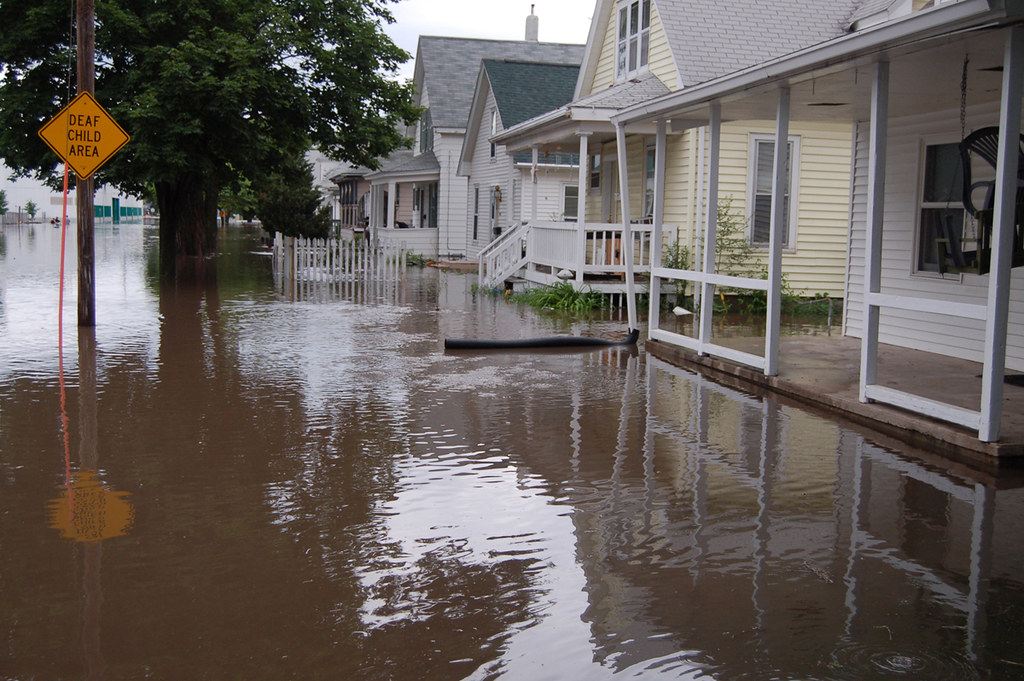
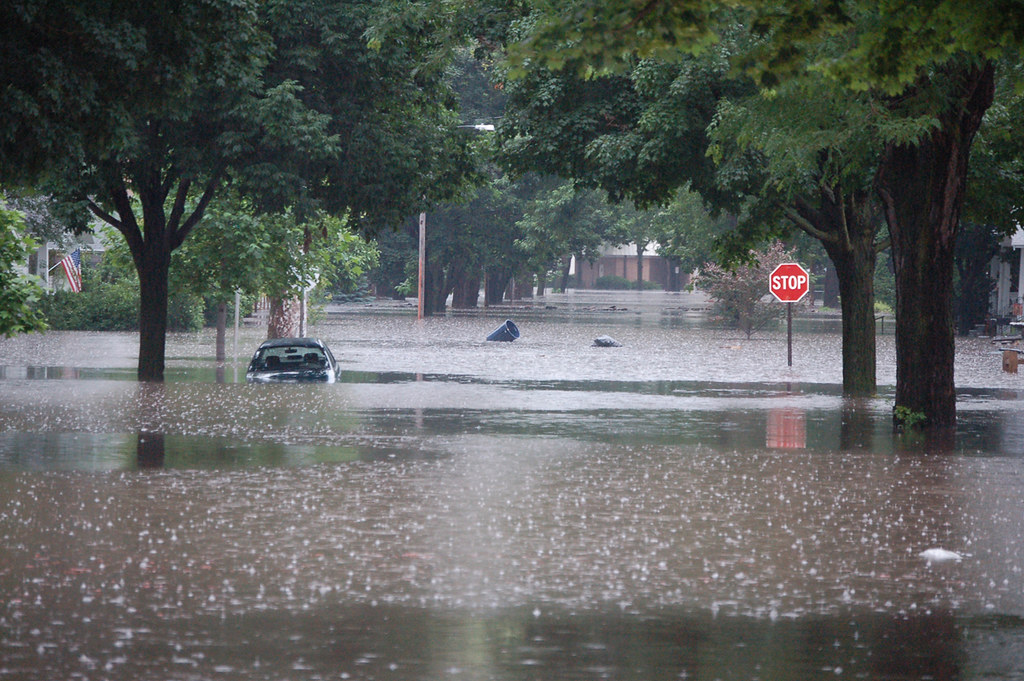
Flash flood warnings in Washington County are no stranger to locals — but the October 21 event moved fast. Within the warning window, low-lying areas of Santa Clara, Hurricane, and Ivins experienced rapid water intrusion, stormwater backflow, and debris-laden runoff that caught many homeowners off guard. DRT crews were mobilized and responding to calls before the warning had even expired.
The event served as a reminder that in Southern Utah's high-desert terrain, flooding doesn't require days of rain — it can arrive in minutes and leave lasting damage in its wake.
What to Do After a Flash Flood: The Steps That Made a Difference
In the aftermath of the October 2026 event, the homeowners who fared best were those who acted quickly and methodically. Here's the same checklist DRT shared with every client we served:
- Prioritize your family's safety first. Before re-entering any structure, confirm the building is structurally sound and that utilities have been shut off if water intrusion occurred near electrical panels.
- Document everything before cleanup begins. Photograph and video all visible damage — walls, floors, personal belongings, exterior areas. This documentation proved critical for insurance claims after the October event.
- Do not enter structurally compromised areas. Floodwater can undermine foundations and weaken load-bearing walls in ways that aren't immediately visible.
- Contact your insurance company as soon as possible. Early notification helps expedite the claims process. DRT worked directly alongside adjusters for many clients during this event.
- Call a certified restoration team immediately. The window for preventing secondary damage — particularly mold growth — is narrow. Water left standing or trapped in walls for more than 24–48 hours significantly increases remediation complexity and cost.
Experienced flooding damage? Don't wait — call DRT now: 385-287-6344
How DRT Responded: Services Deployed After the October 2026 Flood
When the calls came in, DRT crews brought the full scope of emergency restoration services to bear across Hurricane, Ivins, Santa Clara, and neighboring communities. Here's what that response looked like on the ground:
- Emergency water extraction — Standing water was removed from affected properties using truck-mounted and portable extraction equipment, minimizing saturation time.
- Structural drying — Industrial air movers and dehumidifiers were placed throughout affected structures to dry wall cavities, subfloors, and framing to IICRC standards.
- Board-up and property securing — Where exterior damage left properties vulnerable, DRT secured openings to protect against further loss.
- Mold remediation — In cases where response was delayed or moisture had penetrated deeply, DRT performed certified mold remediation to restore safe indoor air quality.
- Smoke and soot removal — Available as needed for properties with combined hazards.
- Full rebuild coordination — DRT managed the rebuild process end-to-end for clients whose properties required structural repairs, acting as a single point of contact from first response through final walkthrough.
- Direct insurance coordination — DRT worked directly with insurance carriers and adjusters, reducing the burden on homeowners during an already stressful time.
Lessons Learned: What the October 2026 Event Taught Us
Every disaster response sharpens our readiness for the next one. Here are the key takeaways DRT and the communities we served came away with after October 2026:
1. Southern Utah Flash Floods Move Faster Than People Expect
Several homeowners reported that water entered their properties within minutes of the warning being issued. The terrain around Santa Clara, Hurricane, and Ivins channels runoff rapidly. By the time many residents were aware of the warning, water was already at the door. Having a plan before the warning hits is essential.
2. Early Extraction Saves Thousands in Secondary Damage
Properties where DRT was called within the first few hours of flooding required significantly less remediation than those where water sat for a day or more. Mold can begin colonizing wet building materials within 24–48 hours. Speed is not just a convenience — it's a financial protection.
3. Documentation Is Your Best Insurance Claim Tool
Clients who had thorough photo and video documentation before cleanup began consistently had smoother, faster insurance claim resolutions. If you do nothing else after a flood, document before you move anything.
4. Insurance Coordination Shouldn't Fall on Homeowners Alone
Many clients came to us feeling overwhelmed by the claims process on top of the stress of the damage itself. Having DRT communicate directly with adjusters removed a significant burden and helped ensure that the full scope of damage was accurately represented in claims.
5. Community Preparedness Gaps Are Real
The October 2026 event revealed that many households in the affected area did not have an emergency contact for restoration services or a plan for rapid response. We encourage every Washington County homeowner to save DRT's number now — before you need it.
Save this number: 385-287-6344 — DRT is available 24/7, 365 days a year.
DRT: Southern Utah's Experienced Local Restoration Team
The Disaster Repair Team is not a national call center. We are a local restoration company that has responded to floods, fires, and storms across Hurricane, Ivins, Santa Clara, St. George, and the broader Washington County area. When a warning goes out, our crews are already preparing — because we know this terrain, these neighborhoods, and what it takes to bring a home back to normal.
We provide:
- 24/7 emergency response, 365 days a year
- IICRC-certified water damage restoration
- Mold remediation
- Structural drying and rebuild coordination
- Direct insurance company coordination
- Local crews who know Southern Utah
If your home or business sustained flood or water damage — whether from a named event or a private loss — DRT is ready to help.
Call us anytime: 385-287-6344
Coverage and claim requirements depend on your policy and the cause of damage. Contact your insurer to confirm coverage before authorizing work. Keep photos and receipts when safe to do so.
Frequently Asked Questions
What should I do first?
Does insurance cover restoration?
How soon can restoration begin?
DRT serves Santa Clara and surrounding areas. View our full Santa Clara service area page for more about our restoration services in your area, or browse all service areas.
Need Help Now?
The Disaster Repair Team provides 24/7 emergency restoration services across Utah.
Request Help Online