Emergency Flood & Water Damage Restoration — St. George
- Recovery resources and next steps
- Insurance claim guidance
- Lessons learned for future prevention
- Professional restoration support
Follow local emergency guidance. Stay out of unsafe areas and call emergency services if there is immediate danger.
Live Conditions
Real-time weather radar for Utah
How DRT Helped St. George Recover from the October 2026 Flash Flood — A Community Recovery Guide
Serving Hurricane, Ivins, Santa Clara, Washington, and Greater St. George, Utah
About This Event
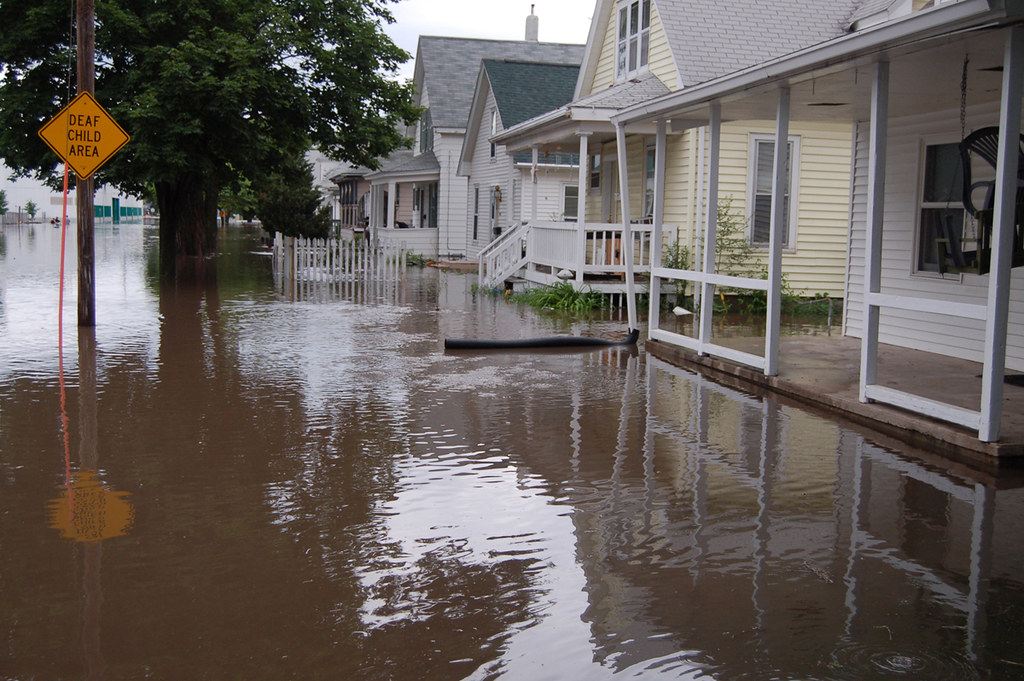
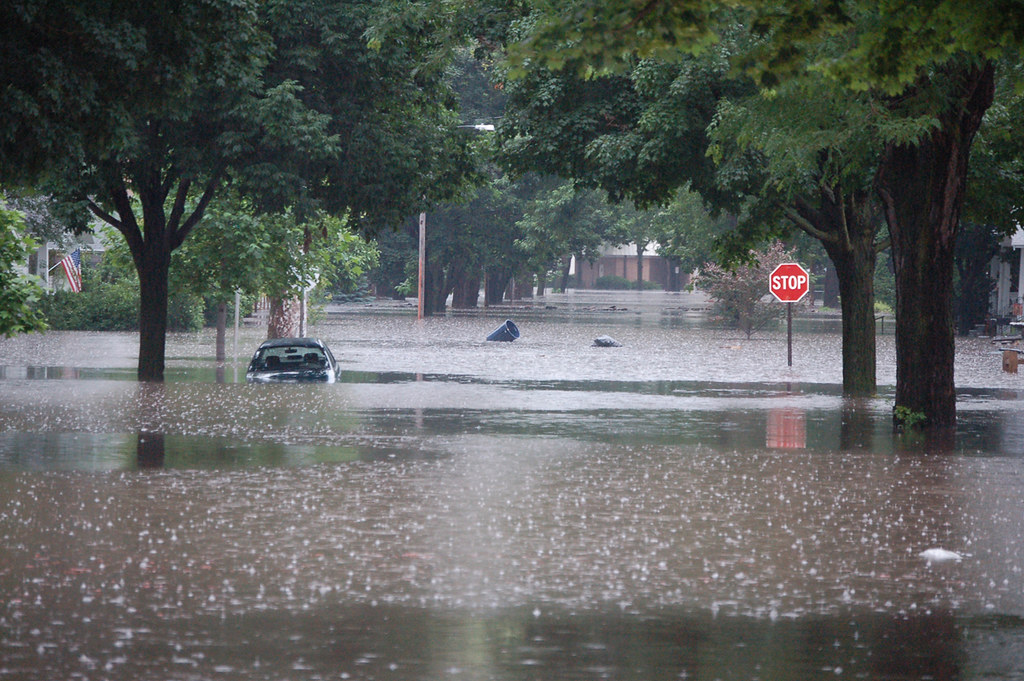
On October 21, 2026, the National Weather Service Salt Lake City issued a Flash Flood Warning for the St. George area, effective from 4:55 PM MDT through 7:45 PM MDT. The event impacted communities across Washington County, including Hurricane, Ivins, Santa Clara, Washington City, and St. George proper — bringing rapid water intrusion, road flooding, and property damage to homes and businesses throughout the region.
The Disaster Repair Team (DRT) responded immediately and worked alongside affected residents and their insurance companies to assess damage, extract standing water, and begin the restoration process. This page serves as a lasting resource for anyone recovering from that event — or any flash flood event in Southern Utah.
If you're still dealing with damage from this storm, we're here. Call us: 385-287-6344
What Residents Did Right After the Flood — and What You Should Do Too
In the hours and days following the October 2026 flash flood warning, the homeowners and business owners who fared best were those who acted quickly and methodically. Here's the step-by-step guidance DRT shared with the community during that response — advice that holds true after any flood event:
- Prioritize your family's safety first. Before re-entering your home, confirm that floodwaters had fully receded and that there were no visible structural hazards such as sagging ceilings, cracked foundations, or compromised walls.
- Document everything before cleanup begins. Residents who thoroughly photographed and video-recorded all damage before moving a single item were in a much stronger position when filing insurance claims. Capture wide-angle shots of each room, close-ups of waterlines on walls, damaged belongings, and affected flooring.
- Avoid entering structurally compromised areas. Flash flooding can weaken floors, walls, and load-bearing structures in ways that aren't immediately visible. When in doubt, wait for a professional assessment.
- Contact your insurance company as soon as possible. Early notification started the claims process faster. Keep your policy number and agent's contact information accessible, and ask specifically about flood coverage versus standard homeowners coverage — they are often separate policies.
- Call a certified restoration team immediately. Standing water causes progressive damage. Every hour of delay allowed moisture to penetrate deeper into subfloors, wall cavities, and insulation — dramatically increasing the risk of mold growth within 24–72 hours. DRT teams mobilized quickly to begin water extraction and structural drying before secondary damage could set in.
Dealing with lingering damage from this event or a more recent flood? Call DRT now: 385-287-6344
How DRT Responded to the October 2026 Flash Flood
When the flash flood warning was issued, DRT was already preparing to respond. As floodwaters receded across Hurricane, Ivins, Santa Clara, and St. George, our crews were dispatched to begin assessments and emergency mitigation. Here's what that response looked like on the ground:
- Water extraction — Industrial-grade pumps and wet vacuums removed standing water from affected basements, garages, living areas, and crawl spaces.
- Structural drying — Commercial air movers and dehumidifiers were deployed to rapidly reduce moisture levels in walls, floors, and ceilings, preventing the conditions that lead to mold.
- Board-up and securing — Where windows, doors, or entry points had been compromised, we secured properties to prevent further damage or unauthorized access.
- Mold remediation — In cases where response was delayed or moisture had been trapped, DRT provided full mold remediation services in compliance with industry standards.
- Full rebuild coordination — From flooring and drywall to cabinetry and paint, DRT managed the complete restoration process so homeowners didn't have to juggle multiple contractors.
- Direct insurance coordination — Our team worked directly with adjusters on behalf of property owners, providing documentation, moisture readings, and scope-of-damage reports to streamline the claims process.
DRT is a locally based, Washington County restoration team. We know the soil conditions, the flood-prone areas, and the specific challenges that Southern Utah flash floods present. This wasn't our first flood response in St. George — and we've built our processes around the lessons this region has taught us.
Lessons Learned: What the October 2026 Flood Taught St. George Homeowners
Every major weather event leaves the community better prepared for the next one. Here are the key takeaways DRT observed while working through the October 2026 recovery:
1. Flash Floods Move Fast — Preparation Has to Be Faster
The warning window for the October 21 event was under three hours. Residents who already knew their evacuation routes, had important documents in a grab-and-go bag, and understood their insurance coverage were significantly less stressed and better protected. Southern Utah's desert terrain means water has nowhere to absorb — runoff is rapid and intense. Don't wait for a warning to make a plan.
2. Standard Homeowners Insurance Often Doesn't Cover Flood Damage
One of the most common and painful surprises for homeowners after this event was discovering that their standard policy excluded flood-related losses. Flood insurance through FEMA's National Flood Insurance Program (NFIP) or a private carrier must typically be purchased separately — and there's usually a 30-day waiting period before it takes effect. Review your coverage now, before the next storm.
3. Waiting to Call for Help Is One of the Costliest Mistakes
The difference in restoration costs between properties where DRT arrived within 12 hours versus those where owners waited 48–72 hours was substantial. Mold can begin colonizing within 24 hours in the warm Southern Utah climate. Water that could have been extracted easily from flooring became trapped moisture in subfloor systems and wall assemblies — requiring far more invasive and expensive remediation. Speed matters.
4. Photo Documentation Is Your Best Insurance Claim Tool
Homeowners who captured thorough visual documentation before any cleanup or repair work received smoother, faster insurance settlements. Those who cleaned up first — with the best of intentions — often struggled to prove the full extent of damage. When in doubt, document first and clean up after.
5. Local Contractors Who Know the Area Make a Measurable Difference
Out-of-area contractors who flooded into Washington County after the event often lacked familiarity with local building materials, municipal permitting processes, and the specific moisture dynamics of desert construction. Working with a team that is based in the community — with established relationships with local suppliers and inspectors — meant faster turnaround and fewer complications for DRT clients.
6. Have Your Utility Shutoff Locations Memorized
Several homeowners sustained additional damage because they were unable to quickly shut off water mains, gas lines, or electrical panels during the event. Know where your shutoffs are. Consider labeling them. In an emergency, those extra minutes matter.
DRT's Flood Restoration Services — Available 24/7
Whether you're dealing with damage from the October 2026 event or a more recent incident, DRT provides the full spectrum of flood and water damage restoration services for residential and commercial properties throughout Washington County:
- Emergency water extraction
- Structural drying and dehumidification
- Mold testing, remediation, and prevention
- Board-up and property securing
- Content pack-out and storage
- Smoke and soot removal (for multi-hazard events)
- Full rebuild and reconstruction coordination
- Direct insurance company billing and claims support
We serve St. George, Hurricane, Ivins, Santa Clara, Washington City, La Verkin, Toquerville, and surrounding Washington County communities.
Ready to Talk? We're Here.
DRT has been helping Southern Utah families recover from floods, fires, and disasters for years. If your property was affected by the October 2026 flash flood — or if you're facing any water or flood damage today — our team is available around the clock.
Call us anytime, 24/7: 385-287-6344
No damage is too large or too small. We'll walk you through the process, work with your insurance, and get your home or business back to normal — the same way we did for your neighbors after the October 2026 flood.
Coverage and claim requirements depend on your policy and the cause of damage. Contact your insurer to confirm coverage before authorizing work. Keep photos and receipts when safe to do so.
Frequently Asked Questions
What should I do first?
Does insurance cover restoration?
How soon can restoration begin?
DRT serves St. George and surrounding areas. View our full St. George service area page for more about our restoration services in your area, or browse all service areas.
Need Help Now?
The Disaster Repair Team provides 24/7 emergency restoration services across Utah.
Request Help Online